

On this page
Digestive enzymes marketed for gluten are one of the most searched — and most misunderstood — supplements in the celiac and gluten sensitivity space. Products like DPP-IV (dipeptidyl peptidase IV) enzymes claim to help break down gluten, and the marketing can make them sound like a safety net for accidental exposure. The reality is more nuanced: some enzymes have legitimate uses for digestive support during gut healing, but none can replace a gluten-free diet or make gluten safe for people with celiac disease. Here’s what the science actually says.
Key Takeaways
- No enzyme can make gluten safe for celiac disease — DPP-IV and similar enzymes cannot fully break down gluten before it triggers an immune response. They are NOT a substitute for a GF diet.
- DPP-IV may help with trace accidental exposure — research suggests these enzymes can partially degrade small amounts of gluten, potentially reducing symptoms from minor cross-contamination.
- General digestive enzymes can support healing guts — damaged intestinal lining produces fewer digestive enzymes naturally, so supplementation may improve digestion during recovery.
- Marketing often overpromises — be skeptical of any product claiming to “neutralize” or “eliminate” gluten. The science doesn’t support those claims.
How Gluten-Specific Enzymes Work (and Don’t Work)
What DPP-IV Enzymes Do
DPP-IV (dipeptidyl peptidase IV) is a naturally occurring enzyme that helps break down proline-rich proteins — including some of the immunogenic peptides in gluten. Supplemental DPP-IV aims to accelerate gluten degradation in the stomach before the peptides reach the small intestine where they trigger immune activation.
Laboratory studies show that DPP-IV can partially break down gluten peptides in a test tube. The key word is partially. In real-world conditions — with stomach acid, food volume, and transit time — these enzymes can handle trace amounts but cannot fully degrade the quantity of gluten in a slice of bread, a crouton, or even a significant cross-contamination event.
What the Research Actually Shows
Research on gluten-degrading enzymes has produced mixed results:
- Lab studies: DPP-IV and related enzymes can degrade gluten peptides in controlled laboratory conditions.
- Trace amounts: Some clinical evidence suggests these enzymes may reduce symptoms from small, accidental gluten exposures (the level of cross-contamination, not intentional consumption).
- Larger amounts: No current enzyme product has been shown to fully degrade a meal-sized portion of gluten in the human digestive tract fast enough to prevent immune activation.
- Celiac-specific research: The Celiac Disease Foundation and the American College of Gastroenterology do not endorse any enzyme product as a treatment or substitute for a GF diet.
If you are reading this because an exposure has already happened, the enzyme question is the wrong one to be stuck on: nothing you can take afterwards has been shown to reliably treat it. What to do after you have been glutened covers what actually matters in that moment — the signs that need a doctor, when symptoms start, and how long they tend to last.
General Digestive Enzymes for Gut Healing
Beyond gluten-specific enzymes, there’s a stronger case for broad-spectrum digestive enzymes during gut healing. Here’s why:
Your damaged intestinal lining produces fewer digestive enzymes naturally. The brush border of intestinal villi — where enzymes like lactase, sucrase, and peptidases are produced — is compromised in celiac disease. This means you may struggle to digest dairy (lactase deficiency), certain sugars, fats, and proteins even after going gluten-free.
A broad-spectrum digestive enzyme supplement can bridge this gap during the healing phase by providing:
- Protease — helps break down proteins
- Lipase — helps break down fats (important when fat malabsorption is present)
- Amylase — helps break down starches and carbohydrates
- Lactase — helps digest dairy (especially useful for temporary lactose intolerance)
- DPP-IV — for trace gluten peptide degradation
As your villi regenerate and brush border enzyme production recovers, you’ll likely need fewer supplemental enzymes. Most people can reduce or stop digestive enzyme supplements within 3–6 months of gut healing.
Our Top Picks: Best Digestive Enzymes
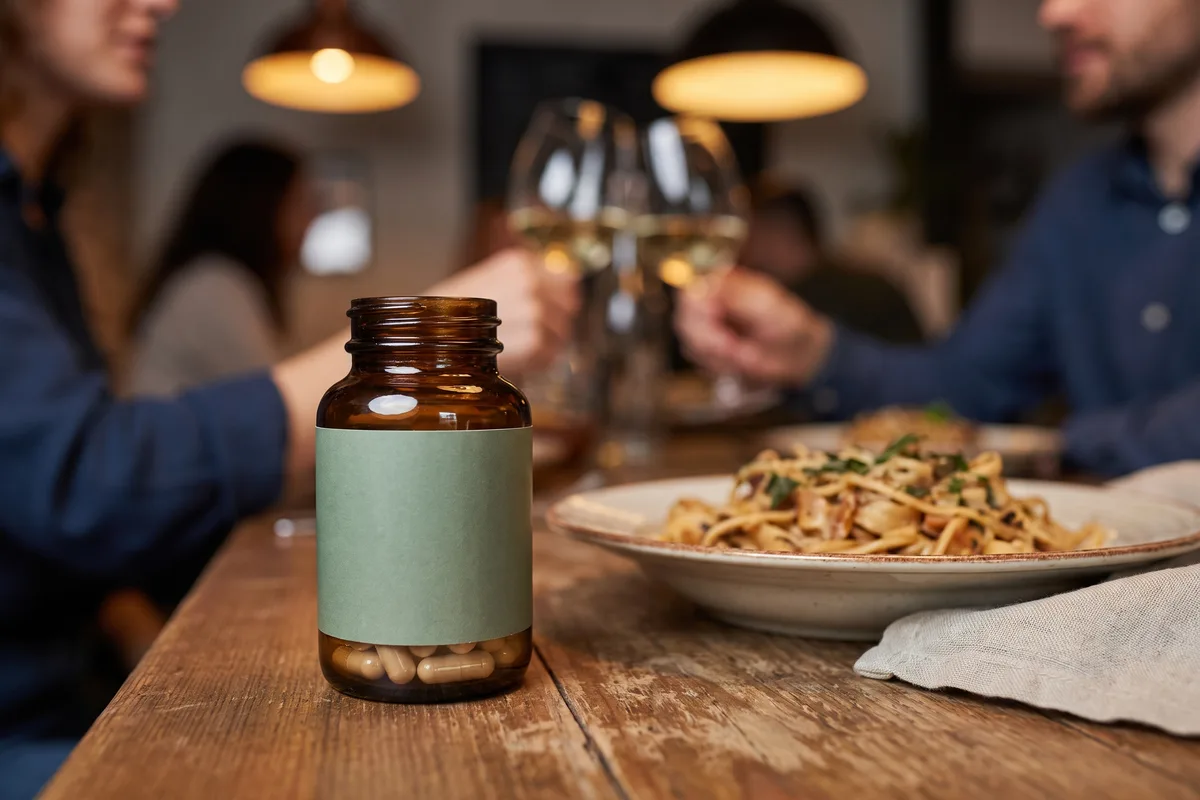
Contains DPP-IV plus a broad-spectrum enzyme blend for overall digestive support. Certified GF, vegetarian, no fillers. We keep a bottle in the kitchen and one in my purse for dining out. It’s our safety net for situations where cross-contamination might happen — not a license to eat gluten.
Best for gluten concern. DPP-IV + protease blend. Certified GF, Thera-blend enzyme technology. ~$20 for 60 capsules.
Best broad-spectrum. Full enzyme complex for proteins, fats, carbs, and fiber. GF, vegetarian. Great for overall digestive support during healing. ~$25 for 90 capsules.
Best value. Broad-spectrum with ox bile for fat digestion. GF. Budget-friendly option for general digestive support. ~$15 for 90 capsules.
Best hypoallergenic. Comprehensive blend, pharmaceutical-grade, no common allergens. GF verified. ~$35 for 90 capsules.
| Product | DPP-IV | Broad Spectrum | Certified GF | Price (approx.) |
|---|---|---|---|---|
| Enzymedica GlutenEase | ✓ Yes | Partial | ✓ Yes | $20/60ct |
| Enzymedica Digest Gold | ✗ No | ✓ Full | ✓ Yes | $25/90ct |
| NOW Super Enzymes | ✗ No | ✓ Full | ✓ Yes | $15/90ct |
| Pure Encapsulations DE Ultra | ✗ No | ✓ Full | ✓ Yes | $35/90ct |
Products to Avoid
- Any product claiming to “neutralize gluten” or make gluten “safe.” These claims are misleading and potentially dangerous for people with celiac disease. No enzyme product has been proven to fully degrade gluten in the human digestive tract.
- Enzymes without GF certification. Some enzyme products are cultured on wheat or contain gluten-based fillers — check every label.
Common Mistakes with Digestive Enzymes
- Using enzymes as a “gluten shield.” The most dangerous mistake. No enzyme makes intentional gluten consumption safe for celiac disease. Using them this way causes real gut damage you won’t always feel immediately.
- Taking enzymes after the meal. Digestive enzymes work best when taken at the start of a meal or immediately before eating. Taking them an hour later provides minimal benefit.
- Not addressing the root cause. If you need digestive enzymes for everything you eat, that’s a sign your gut is still damaged and needs healing support — not just enzyme supplementation.
- Skipping broad-spectrum for DPP-IV only. If your gut is healing from celiac damage, you likely need help digesting multiple food types — not just trace gluten. A broad-spectrum enzyme addresses the full picture.
- Continuing indefinitely without reassessing. As your gut heals and enzyme production normalizes, you may no longer need supplemental enzymes. Reassess every 3–6 months.
Frequently Asked Questions
Do digestive enzymes for gluten actually work?
Partially. DPP-IV enzymes can degrade trace amounts of gluten from accidental cross-contamination, potentially reducing symptoms from minor exposures. However, no enzyme product can fully break down a meal-sized portion of gluten fast enough to prevent immune activation in celiac disease. They are a secondary safety measure, not a treatment.
Can I eat gluten if I take digestive enzymes?
No. No digestive enzyme makes intentional gluten consumption safe for people with celiac disease or gluten sensitivity. The immune response is triggered by very small amounts of gluten that enzymes cannot fully degrade in real-world digestive conditions. A strict GF diet remains the only treatment.
What is the best digestive enzyme for celiac disease?
For gluten-specific concern, Enzymedica GlutenEase contains DPP-IV plus supporting proteases and is certified gluten-free. For overall digestive support during gut healing, a broad-spectrum enzyme like Enzymedica Digest Gold or Pure Encapsulations Digestive Enzymes Ultra covers proteins, fats, carbs, and fiber.
When should I take digestive enzymes?
Take digestive enzymes at the beginning of a meal or immediately before eating. This allows the enzymes to mix with food in the stomach and begin working during digestion. Taking them after a meal provides significantly less benefit.
How long should I take digestive enzymes during gut healing?
Most people benefit from digestive enzyme support during the first 3-6 months of gut healing, while the intestinal villi are regenerating and natural enzyme production is recovering. Reassess periodically — as your gut heals, you may find you tolerate foods better without supplemental enzymes.
A Safety Net, Not a Free Pass
Digestive enzymes have a real but limited role in gluten-free gut health. DPP-IV enzymes may help reduce symptoms from accidental trace gluten exposure, making them a useful safety net for dining out or eating at others’ homes. Broad-spectrum digestive enzymes can support overall digestion during the healing phase when your damaged gut isn’t producing enough enzymes naturally.
But here’s the line that must never be crossed: no enzyme product replaces a strict gluten-free diet. Use them as an insurance policy alongside careful GF eating — never as permission to eat gluten. As your gut heals and enzyme production normalizes, you’ll likely need them less. That’s the goal.
This content is for educational purposes only and does not constitute medical advice. Consult your healthcare provider before starting any supplement regimen.