

On this page
You know that go-to snack that you’ve sworn by for months and recommended to your gluten-free friends? It looks safe, the packaging says it’s “clean” or “natural,” and you’ve never had any issues.
Not so fast! Did you read the label? We mean, really read it? Because gluten can be present, and it won’t be waving a red flag just for you. And that’s why reading food labels isn’t optional when you’re gluten-free: it’s survival.
A label won’t say, “Contains gluten!” in big, bold letters, but there are lots of places where it can hide out. And if you’re not reading closely, cross-contact or unclear ingredients can throw your body into a reaction.
Learning how to decode all of those labels doesn’t take hours, and you don’t need to have a degree in nutrition. With some quick tricks and a good understanding of what to look for, you’ll get better at knowing what’s safe and what you should put back on the shelf. Want to shop smarter, safer, and faster? Come with us and we’ll show you how!
Why Reading Food Labels Matters
The most harmless-looking products, like plain chips, salad dressings, and canned soups, can all contain gluten—it’s tucked into the ingredients. Sometimes it’s from thickeners or flavorings, and others times it’s because it was processed in a facility that also handles wheat.
Your Gluten-Free Label Reading Checklist
- Always read the full ingredient list, even on trusted brands.
- Watch for hidden gluten sources like malt, wheat starch, and barley.
- Check for “may contain” or “processed in a facility” warnings.
- Look for gluten-free certification symbols.
- When in doubt, use trusted gluten-free apps or resources.
For people with Celiac disease, accidentally consuming gluten can damage the small intestine. If you have gluten sensitivity, it can trigger all kinds of symptoms, like fatigue, bloating, and brain fog. Even if you’re just avoiding gluten to feel better overall, the little label details really do matter!
According to the FDA, any product that is labeled “gluten-free” must contain less than 20 parts per million (ppm) of gluten. But if it doesn’t have that label? You’re on your own, and that’s why label-reading is an absolute must.
“Healthy,” “natural,” or “organic” doesn’t guarantee that it’s gluten-free. The only thing that will guarantee it’s safe? A full read-through of the ingredients.
The 3 Step Quick-Check Method
Who has the time to stand in a grocery store and read label after label? It shouldn’t feel like you’re trying to get through a Herman Melville novel when you just want to buy food and get home. We have a fix for that! There’s a three-step trick to spot gluten.
1. Scan for a Gluten-Free Certification
Look for trusted stamps like the GFCO seal. This means that the product has been tested and meets strict standards. It’s one of the safest shortcuts you can use.
2. Check the Allergen Statement
If it says “Contains: Wheat,” abort! That’s a no-no. But wheat-free doesn’t always mean gluten-free. Barley and rye aren’t listed as major allergens, so you’ve still got to read on.
3. Read the Ingredients for Hidden Gluten
Take a close look at the ingredient list. Some ingredients sound like they’re harmless but they contain gluten (and we’ll go over those next). If you’re in any way unsure, it’s not worth the risk!
Hidden Sources of Gluten in Ingredients
There are times when it’s obvious when something contains gluten. And then there are products where it hides under certain ingredients that aren’t wheat.
Sneaky Ingredients to Watch Out For:
- Malt (barley-based)
- Modified food starch (if the source isn’t specified, it could be wheat)
- Brewer’s yeast
- Hydrolyzed wheat protein
- Soy sauce (unless it clearly says that it’s gluten-free)
Call Out Box: Want a cheat sheet for your next grocery run? Download our 20 Common Gluten-Containing Ingredients List so that you never have to look bewildered in the middle of the snack aisle again!
How to Read the Allergen Statement
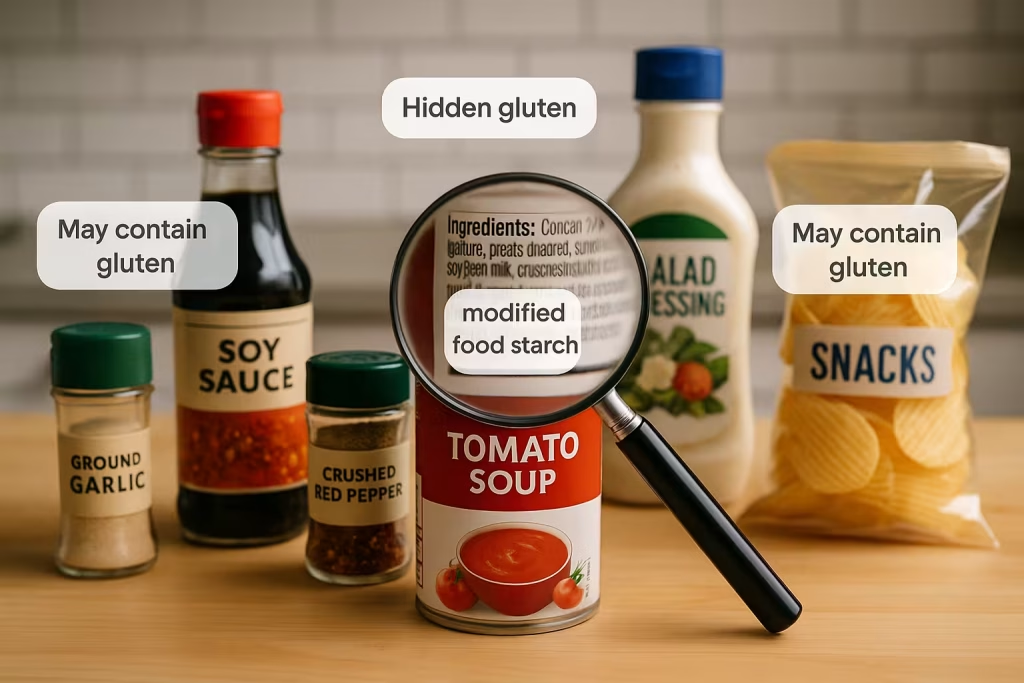
Those “Contains:” and “May Contain” lines aren’t there for show! They’re the shortcuts for seeing potential issues in one glance.
If a label says “Contains: Wheat,” the product isn’t gluten-free. But gluten isn’t just wheat. It also includes barley and rye, which won’t always show up in that allergen box. That’s why you have to read the entire ingredient list.
And what about lines like “May contain traces of wheat” or “Processed in a facility with wheat”? That usually means there’s a risk of cross-contact, and it’s not safe for people with Celiac or high sensitivity. It might not bother someone with mild intolerance, but it’s a judgment call, and one that you should make knowing the repercussions.
Gluten-Free Label Certifications You Can Trust
Seeing a “Gluten-Free” sticker is so nice, but not all labels are up to snuff in this department. Below are the ones that are the most trustworthy:
- GFCO (Gluten-Free Certification Organization): Tests products to make sure they have fewer than 10 ppm of gluten. Super reliable!
- NSF International Gluten-Free Certification: Independently verified and trusted globally.
- Celiac Support Association Seal: Requires the strictest standards; 5 ppm or less.
Watch out for words like “gluten-friendly,” “no gluten ingredients,” or “made without gluten.” Those phrases aren’t regulated, so if there isn’t a third-party seal, it’s marketing, and it doesn’t mean it’s safe.
What to Do If You’re Unsure
So you’ve squinted at the label, scrolled the ingredients, and you’re still not sure? Here’s your game plan:
- Don’t buy it if there’s any doubt. Your health is more important.
- Contact the company. Most trusted brands have customer service numbers or email contacts, so reach out and ask!
- Stick to the brands that you trust. Make a list of go-to snacks and staples you know are safe. It makes shopping a thousand times easier.
Special Cases to Know About
It’s not only food labels that need your full attention. Gluten can turn up in the strangest of places!
- Medications and supplements: Some use wheat starch as a binder. Always check with your pharmacist or look it up.
- Personal care products: Lip balm, toothpaste, and some makeup can contain gluten-derived ingredients.
- Fast food seasoning and packaging: That “seasoned fries” label or grill coating could be a gluten trap. Ask about it!.
Practice Makes Perfect (Real Label Examples)
The best way to learn? Start practicing. Take out a few packaged foods that you already have in your pantry like these:
- Box of granola: Scan for oats (are they certified gluten-free?), check for barley or malt.
- Soy sauce bottle: Is it labeled gluten-free or does it list wheat?
- Snack bar: Look for gluten-free stamps and any vague ingredients like “natural flavorings.”
Final Tips for Going Gluten-Free with Confidence
You don’t have to memorize every single ingredient that’s known to man. You just need a system, so get in the habit of doing the things below.
- Make a shopping list ahead of time. It cuts down on impulse buys and label panic.
- Eat whole foods when you can. Fruits, veggies, and lean proteins don’t come with confusing labels.
- Always read the label. Even if you’ve bought it before. Formulas can and do change.
- Connect with other gluten-free people. Online groups and communities are some of the best places to find trusted brand recs and label red flags.
Reading labels does get easier with time. What feels confusing now? That’ll eventually become second nature.
Conclusion
Food labels have so many listed ingredients, and most of them aren’t pronounceable. That gets dicier when you’re trying to dodge gluten and everything it can hide behind. But with some practice, it’ll be a knee-jerk reaction.
You’re now equipped to scan, spot, and shop without second-guessing every single ingredient. Remember what you’ve learned here, take your time, and keep on building your list of trusted go-to products!
Want more help in the kitchen? You can bookmark this guide and grab our free Gluten-Free Pantry Swap Checklist for easier day-to-day meal planning!
FAQs
A lot of people have questions about being gluten-free! Below are the most common ones that we are asked about label-reading:
What if wheat isn’t listed but there’s still gluten?
Wheat is only one source of gluten. Barley and rye aren’t part of the top eight allergens, so they won’t show up in the allergen statement. Always check the full ingredient list.
Are “wheat-free” and “gluten-free” the same?
Nope, they are not. Wheat-free products can still have barley, rye, or malt, so they’re not necessarily safe for gluten-free diets.
Is it safe if the allergen statement is missing?
Not always! Smaller companies don’t have to list allergens in the same way. If there’s no gluten-free certification, you should skip it or contact the manufacturer to get more info.
How do I know if a seasoning blend is gluten-free?
Check for malt, wheat flour, or modified food starch. If it’s not labeled gluten-free, and you don’t recognize every ingredient, take it out of your shopping cart and look for a certified version.
Should I worry about cross-contamination from equipment?
Always! If you have Celiac disease or a high sensitivity, you should worry. Look for phrases like “processed in a facility with wheat,” and don’t ignore them.