
On this page
By now, you’ve no doubt seen “gluten-free” on everything from granola bars to bottled salad dressing. But if you’re a gluten newbie, it’s not weird to ask, “What the heck is gluten?”
If you’re adjusting to a medical diagnosis, exploring gluten-free living for your family, or simply curious what the label means, our guide is here to spell it out in plain English with easy to understand answers to the questions that most people have about gluten.
What even is gluten? Why can’t some people have it? How can you explain it to the kiddos without freaking them out! And which foods are safe to eat? We’ll answer all of the above one by one, and by the end? You’ll feel like a gluten-free God when you’re negotiating food labels, grocery store aisles, and dinnertime.
Gluten 101 – The Basics
Before we start talking labels and lifestyle swaps, we need some clarity on what gluten is, and where it’s found.
Getting Started: Your Gluten-Free Action Checklist
- Read ingredient labels carefully every time you shop.
- Replace wheat, barley, and rye with gluten-free grains like rice and quinoa.
- Set up a separate gluten-free area in your kitchen to avoid cross-contact.
- Introduce gluten-free foods gradually to your family’s meals.
- Use trusted resources like the Gluten-Free Food Checker for product safety.
What Is Gluten?
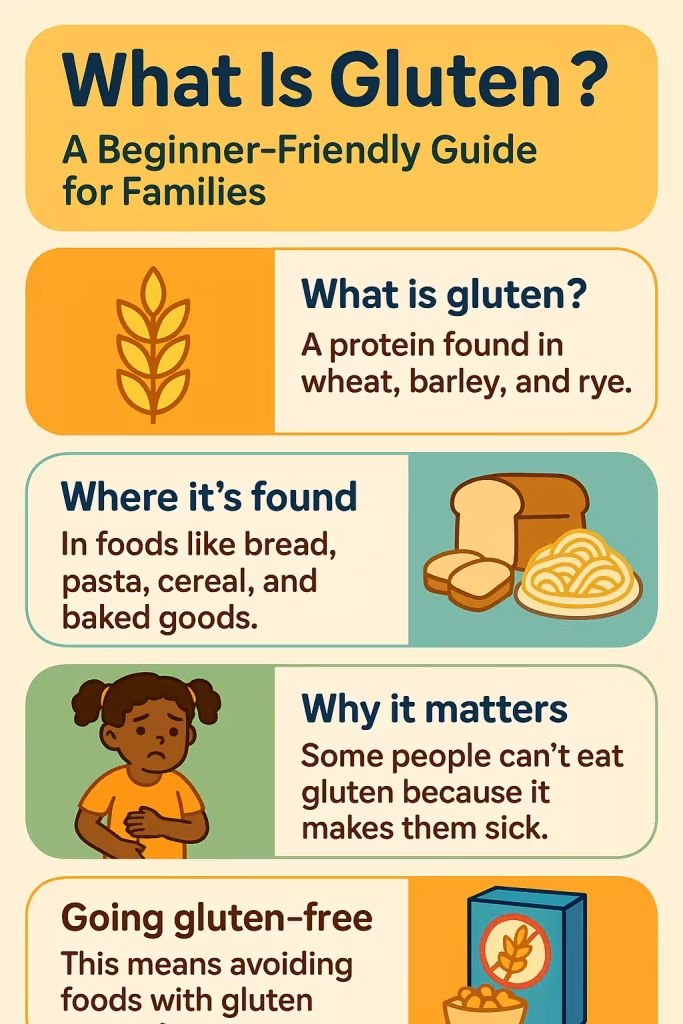
Gluten is a type of protein that’s found in certain grains—mainly wheat, barley, and rye. It’s the thing that gives dough its stretchiness and helps baked goods stay soft and chewy instead of falling apart.
Gluten is like the elastic that holds your sandwich bread together. Without it, all you’ve got is crumbs.
Where Is Gluten Found?
You’ll usually find gluten in the following:
- Bread, pasta, and crackers
- Cakes, cookies, and pastries
- Cereal and granola
- Pizza crusts and pancakes
But that’s not all! Gluten can also show up in the places that you’d never think it would, like soy sauce, salad dressings, soups, and flavored snacks. That’s why learning to read labels is such a big deal (and we’ll get into all of that later).
Why Do People Avoid Gluten?
Gluten isn’t something that everyone needs to cut out, but there are a few really important reasons why people don’t consume it.
Celiac Disease
This is a really serious autoimmune condition where the body reacts to gluten by damaging the small intestine. Even the teensiest amounts of gluten can cause long-term harm for people with Celiac, so avoiding it isn’t a preference, it’s a medical necessity.
Gluten Sensitivity or Intolerance
There are people who don’t test positive for Celiac but still have uncomfortable physical symptoms like bloating, headaches, or fatigue when they eat gluten. It’s not as severe, but it’s still a real reason to cut it out of their diet.
Lifestyle Choice
And then there are those who just feel better without it. It could be for digestion, energy levels, or simplicity, but there are people who go gluten-free without a medical diagnosis. And that’s totally valid, as long as it’s done thoughtfully and with good nutrition in mind.
How to Explain Gluten to Kids
If your child is gluten-free, or has a friend or a classmate who is, it helps to have a simple explanation at the ready. Confusion can cause them to worry or have some awkward moments at lunch, so keeping it clear and low-pressure really helps.
What’s the best way to explain it?
“Gluten is like the glue that holds certain foods together, like bread and pasta. Some people’s bodies don’t like that glue, so they eat other kinds of food that make them feel better.”
You can also help your child practice how to explain it to others, especially in social settings like birthday parties or school lunch tables. Phrases like “I can’t eat gluten, it makes me feel sick” or “I bring my own snacks just to be safe” are easy for them to remember.
And always remind them: eating differently doesn’t make them weird in any way, shape or form. It just means that they’re taking care of themselves.
Is Gluten Bad for Everyone?
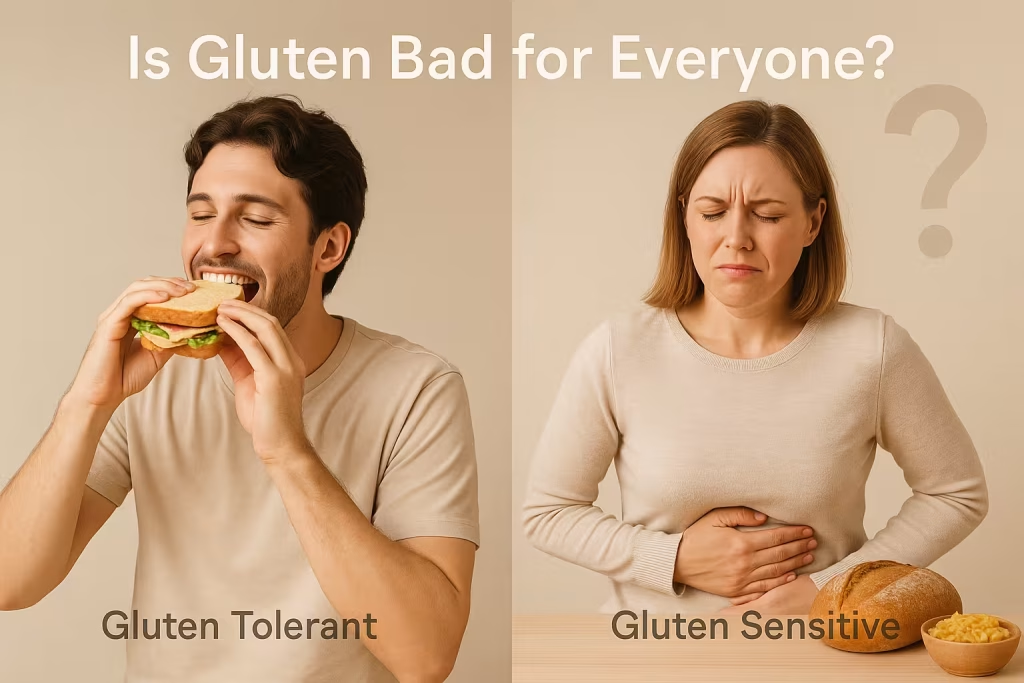
Let’s get something straight: gluten isn’t automatically “bad.” It only causes problems for people who have an issue with it.
Unless you’ve been diagnosed with Celiac disease, a wheat allergy, or gluten sensitivity, there’s no medical reason to cut out gluten. In fact, cutting it out without a valid reason can make it harder to get enough fiber, B vitamins, and iron, especially if you’re replacing it with ultra-processed gluten-free snacks.
That said, it’s totally fine to experiment! If you or someone in your family feels better without gluten, that’s great! But talk with your doctor or a dietitian before you make any major changes.
What Foods Are Naturally Gluten-Free?
There are a whole lot of foods that don’t contain gluten to begin with, and that makes starting a gluten-free lifestyle much less intimidating or restrictive than it seems at first.
The following is what’s already safe naturally:
- Fruits and vegetables
- Meat, poultry, and fish (unbreaded and unseasoned)
- Eggs, beans, and lentils
- Dairy products (if tolerated)
- Rice, corn, quinoa, millet, and buckwheat
And for kids, there are also lots of gluten-free snack options:
- Apple slices with nut butter
- Cheese sticks
- Popcorn
- Gluten-free crackers or cookies
- Yogurt (check the label)
How to Check If a Product Has Gluten
One of the most helpful habits that you can build is learning how to read a food label quickly and confidently.
Here’s what you should be checking for:
- Ingredients list: Look for wheat, barley, or rye.
- Allergen statement: If it says “Contains: Wheat,” that’s a hard “no.”
- Certifications: Products labeled “Certified Gluten-Free” are always your safest bet.
Gluten can be hidden under names like the following:
- Malt (from barley)
- Brewer’s yeast
- Modified food starch (if the source isn’t listed)
And “May contain” or “Processed in a facility with wheat” means that there’s a risk of cross-contact, even if gluten isn’t listed directly.
You can download our free Top 10 Sneaky Sources of Gluten checklist so you’re not flailing around while you’re grocery shopping!
Starting a Gluten-Free Journey as a Family
Making your kitchen gluten-free doesn’t mean that you have to start from scratch. It’s all about making some small but steady swaps.
Here’s what helps:
- Swap pasta for rice noodles or chickpea pasta
- Try gluten-free bread or use lettuce wraps for sandwiches
- Choose naturally gluten-free snacks like popcorn or fruit
- Get kids involved in picking recipes and helping cook
- Focus on what you can eat, not what you can’t
And if you’re dining out? Look for places with gluten-free menus and don’t be shy about asking questions. Most restaurants are used to it by now, and clear communication is your best tool.
Common Questions From Beginners
Hi, newbies! We’re so glad you’re here. Got questions? We have some answers for all of you who are still in the learning phase.
Can you be a little gluten-free?
Not if you have Celiac! Even trace amounts will trigger a reaction. But if you’re doing it for general wellness, you can do it in baby steps.
What happens if I eat gluten by mistake?
Reactions vary. Some people get headaches or stomach pain; others could feel nothing but will still experience inflammation. You should always check with your doctor if you’re unsure!
Can pets have gluten?
Most pets don’t react to gluten like humans do, but check with your vet if your pet has sensitivities or digestive issues.
How do I explain gluten-free to others?
Keep it short and sweet. Try: “I avoid gluten because it makes me sick” or “It’s part of how I take care of my health.”
Concluding Thoughts
Understanding what gluten is and how it affects some people is the first step, and that step will make you much more confident in your food choices, no matter if you’re making a full family change or just supporting someone who is living that gluten-free life.
You don’t have to memorize every ingredient or freak out over restaurant menus. Once you know where gluten shows up and how to spot it? You’re on easy street.