

On this page
If you’re living gluten-free, your kitchen should feel like a safe haven — not a guessing game. But here’s the tricky part: gluten doesn’t always show itself. It hides in crumbs on a counter, in a shared toaster, or even in a jar of peanut butter where someone dipped a knife after touching bread. One tiny mistake can turn an otherwise safe meal into an unexpected reaction.
That’s why learning to prevent cross-contamination at home is so important. It’s not about being perfect or living in fear — it’s about creating habits that protect your health and give you peace of mind.
The good news? You don’t need to overhaul your life or buy a second set of everything. With a few smart systems, some kitchen organization, and the right mindset, you can build a truly gluten-free space that feels calm, confident, and completely under control.
Let’s walk through exactly how to make that happen — step by step.
Understanding Cross-Contamination
Before you can stop gluten from sneaking into your food, it’s important to understand how it happens. The term most people use is cross-contamination, but the more accurate phrase is cross-contact. Unlike bacteria that can be killed by heat, gluten is a protein — it doesn’t “cook off.” Once gluten touches your gluten-free food, even in tiny amounts, it can make that food unsafe to eat.
Quick Action Checklist to Avoid Cross-Contact at Home
- Clean all surfaces before preparing gluten-free meals.
- Use separate utensils and appliances for gluten-free foods.
- Store gluten-free ingredients above gluten-containing ones to prevent crumbs falling.
- Label gluten-free containers clearly for everyone in the household.
- Never double-dip utensils between gluten and gluten-free foods.
- Wash hands thoroughly before handling gluten-free items.
- Educate family members and guests about cross-contact risks.
Think of it like glitter: once it’s on your hands, it somehow ends up everywhere. The same thing happens with gluten. A few crumbs, a shared knife, or a quick stir with the wrong spoon can transfer it in seconds.
Common everyday sources of cross-contact include:
- Shared toasters or toaster ovens
- Cutting boards or knives used for both regular and gluten-free bread
- Strainers, colanders, or sifters that once held wheat pasta or flour
- Wooden utensils that absorb gluten into tiny cracks
- Butter, peanut butter, or jam jars with crumbs left behind
- Dish towels or sponges used after handling gluten products
Even a trace — less than a crumb — can cause real symptoms for those with celiac disease or gluten sensitivity.
The key is awareness. Once you start noticing where gluten hides, you’ll be amazed how easy it becomes to stop it before it spreads. Prevention doesn’t have to be stressful — it just takes a bit of mindfulness and a plan.
Setting Up a Gluten-Free Kitchen
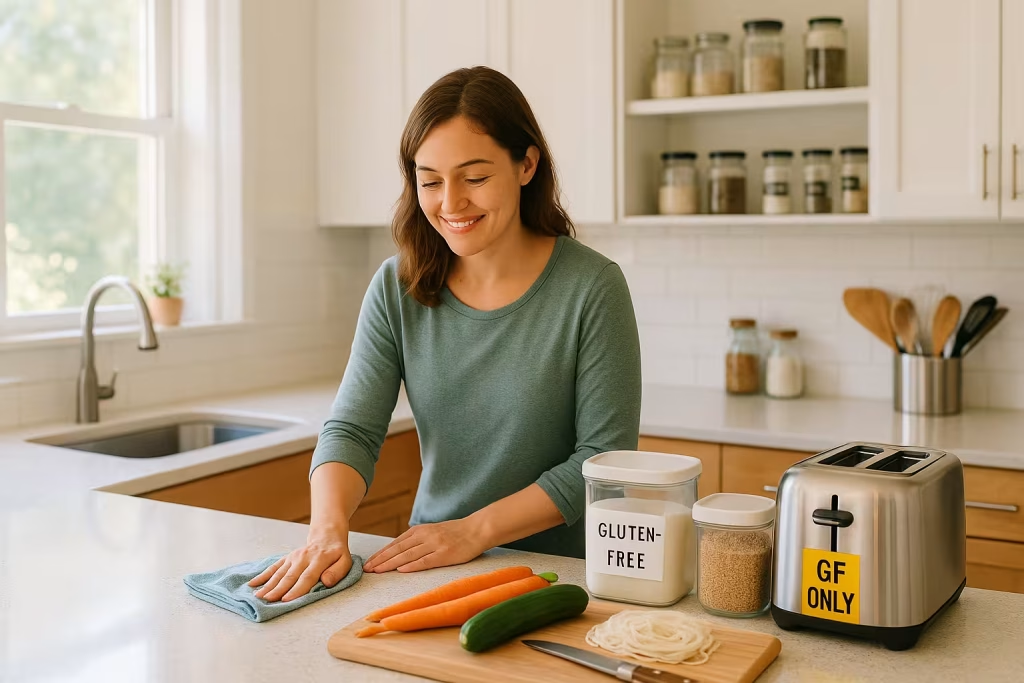
Creating a safe gluten-free kitchen isn’t about making it perfect — it’s about making it practical. The goal is to design a space where gluten-free cooking feels easy, organized, and stress-free. A few small changes in how you store, label, and separate items can make all the difference in preventing cross-contact.
Start by looking at your kitchen through new eyes. Where do crumbs tend to collect? Which tools get used the most? Once you identify your “hot spots,” you can build systems that protect you and your family without feeling overwhelmed.
Here’s how to set up your gluten-free kitchen for success:
- Create a gluten-free zone. Dedicate a countertop, drawer, or cabinet specifically for gluten-free prep and storage. Keep it crumb-free at all times.
- Store gluten-free foods higher up. Gravity works against you — keep gluten-free ingredients on upper shelves so nothing can spill or fall in.
- Use color-coded or labeled containers. Bright labels like “GF ONLY” make it easy for everyone in the household to know what’s safe.
- Duplicate high-risk tools. Items like toasters, strainers, cutting boards, and wooden spoons should each have a gluten-free version.
- Choose easy-to-clean materials. Stainless steel, glass, and silicone are your best friends — they don’t trap gluten and clean up easily.
- Avoid shared condiments. Keep a separate set of butters, jams, and sauces for gluten-free use only.
These small systems quickly become second nature — and they’ll save you from endless worry during meal prep.
💡 Pro Tip: Start with just one area, like your toaster or prep zone, and build from there. Over time, your gluten-free kitchen will feel seamless, organized, and fully under your control.
Cooking and Baking Without Cross-Contamination
Cooking gluten-free in a shared kitchen can feel intimidating at first — but it doesn’t have to stay that way. With a few smart systems and mindful habits, you can protect your food (and your health) without feeling like you’re constantly on guard. It’s all about consistency and creating a rhythm that makes gluten-free cooking second nature.
Before you start cooking, take a deep breath and slow down for a minute. Wipe your counters, wash your hands, and grab your gluten-free tools. That simple pause helps you stay intentional — and keeps gluten from sneaking in when you least expect it.
Here are 7 golden habits to make cooking and baking gluten-free easier:
- Start clean, stay clean. Wash hands, utensils, and surfaces before handling gluten-free food.
- Use separate cookware and utensils. Especially for wooden spoons, cutting boards, and spatulas — these can hold traces of gluten.
- Label and separate condiments. Keep a dedicated gluten-free butter, peanut butter, or jam jar to prevent crumb transfer.
- Avoid double-dipping. Never reuse the same knife or spoon between gluten and gluten-free foods.
- Cook gluten-free meals first. If you’re making both kinds of food, prepare gluten-free dishes before gluten enters the kitchen.
- Use liners and barriers. Lay parchment paper or foil on baking sheets and grill grates to create a protective layer.
- Keep gluten-free food covered. When cooking side-by-side with gluten dishes, use lids, foil, or separate sections on the counter.
When baking, flour can be especially tricky since gluten particles float in the air and settle on surfaces. If you share a kitchen, try baking gluten-free on a different day — or clean thoroughly before you start mixing.
🍞 Pro Tip: If someone in your household bakes with regular flour, keep those ingredients tightly sealed and stored away from your gluten-free baking zone. Wipe surfaces and let airborne flour settle before cleaning up.
Cooking gluten-free is less about fear and more about awareness. Once you get into the groove, you’ll find that safe cooking isn’t just doable — it’s empowering.
Cleaning and Dishwashing Best Practices
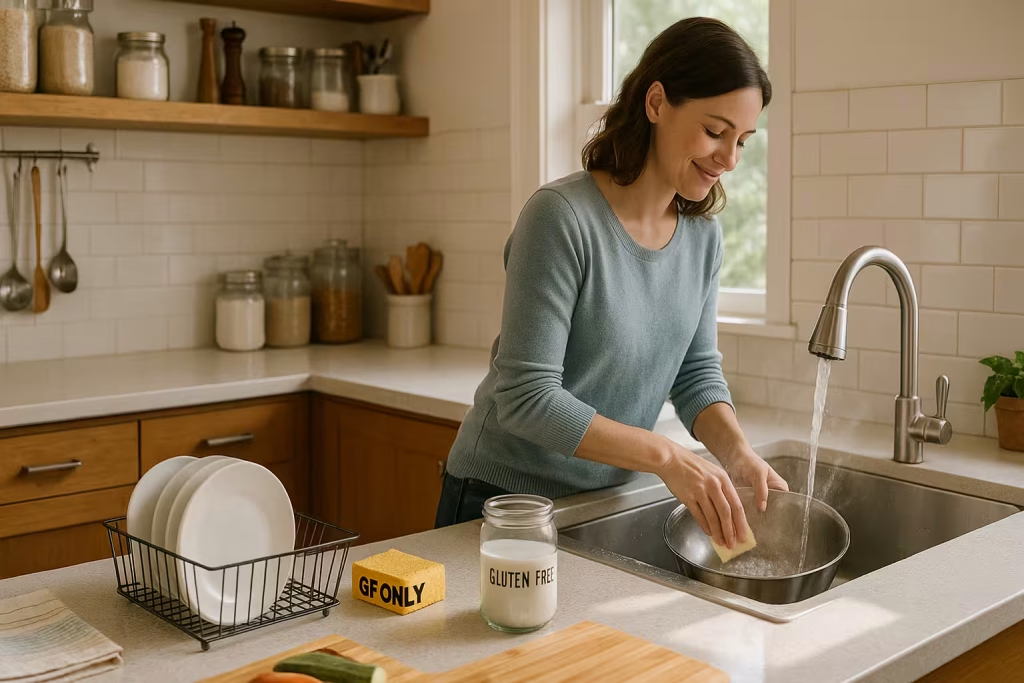
A clean kitchen is your first line of defense against gluten. Even the most careful meal prep can be undone if crumbs or residue stick around. The good news? A few mindful cleaning routines make it easy to maintain a safe gluten-free environment day after day.
1. Separate Your Cleaning Tools
Your sponge, dish brush, or rag might look clean — but if it’s touched gluten, it’s not safe for gluten-free dishes anymore. Porous materials trap particles you can’t see.
What to do:
- Keep a dedicated gluten-free sponge or dish brush and mark it clearly.
- Replace sponges frequently (weekly is best).
- Use separate cloths or towels for drying gluten-free dishes only.
💧 Pro Tip: Silicone scrubbers are great because they don’t hold residue and can be sanitized easily in boiling water or the dishwasher.
2. Wash Dishes the Gluten-Free Way
When cleaning by hand, always start with gluten-free dishes first — before any pans or plates that touched gluten. Otherwise, residue can transfer through the sink water.
Simple washing routine:
- Wash gluten-free dishes in hot, soapy water.
- Rinse thoroughly under running water.
- Drain and dry on a clean towel or drying rack.
- Then move on to any gluten dishes separately.
If you’re using a dishwasher, it’s generally safe to combine loads — just make sure no large crumbs or residue are left on gluten items before loading.
3. Keep Surfaces Truly Clean
Countertops, cutting boards, and stovetops are some of the biggest risk zones for cross-contact. Crumbs, flour, or even a drop of pasta water can linger long after cleanup.
Make it part of your routine to:
- Wipe down counters before and after every meal.
- Use all-purpose gluten-free cleaners or vinegar and water.
- Clean cabinet handles, drawer pulls, and appliance buttons regularly — they often get overlooked.
4. Don’t Forget the Hidden Spots
Some of the worst gluten “traps” are places you wouldn’t think to check:
- Toaster crumb trays
- Oven racks and baking pans
- Dish drying mats
- Knife blocks and utensil drawers
- Reusable shopping bags
Take time once a week to deep clean these sneaky areas. A little maintenance keeps your kitchen consistently safe.
Keeping your kitchen gluten-free doesn’t mean scrubbing all day — it means cleaning smart. Set up clear systems, label your tools, and do a quick daily wipe-down. Over time, these small habits create a rhythm of safety that feels natural and easy.
✨ Remember: A truly gluten-free home isn’t spotless — it’s intentional.
Shared Household Strategies
Living gluten-free in a shared home can be tricky — especially when not everyone follows the same diet. But with a little communication and organization, you can protect your health and keep the peace. It’s all about teamwork, clear systems, and mutual respect.
1. Communicate Clearly (and Kindly)
Start by helping everyone understand why gluten-free safety matters. When your family or roommates know that even crumbs can cause symptoms, they’re more likely to take precautions seriously.
Tips for success:
- Have an open, judgment-free conversation about your gluten-free needs.
- Explain what cross-contact means and why “just a little” gluten isn’t okay.
- Encourage questions — education builds empathy.
- Use positive language like “this keeps me healthy” instead of “you can’t do that.”
💬 Katie’s Tip: Write down a few key “kitchen rules” and stick them on the fridge — simple reminders go a long way.
2. Label Everything
Visual cues help everyone remember what’s safe. Labels make it easy to grab the right utensil or condiment without second-guessing.
What to label:
- Containers: “GF ONLY” or color-coded lids (blue or green work great).
- Utensils and tools: Wrap handles with colored tape.
- Condiments and spreads: Separate jars for gluten-free use only.
- Storage areas: Clearly mark gluten-free shelves or drawers.
This system not only keeps you safe — it also helps guests and kids make the right choices automatically.
3. Set Simple House Rules
Rules don’t have to feel restrictive — they’re simply guardrails that make daily life smoother. Sit down as a household and agree on a few key principles.
Examples of helpful house rules:
- No gluten on the main prep counter or cutting boards.
- No double-dipping knives or spoons into shared containers.
- Wash hands after handling gluten foods.
- Use separate toasters and strainers.
- Store gluten-free items in a clearly marked cabinet.
🏡 Pro Tip: Make your “gluten-free zone” a no-gluten area — it’s easier to maintain than constantly cleaning shared spaces.
4. Teach Kids Early
If you have little ones, teach them in simple, age-appropriate ways. Kids love to help, and turning gluten-free safety into a family habit makes it second nature for everyone.
Kid-friendly strategies:
- Use fun stickers or colors to show what’s gluten-free.
- Encourage them to ask before touching shared food.
- Let them help pack their own gluten-free snacks and lunches.
- Celebrate their effort when they remember the rules!
Children adapt quickly — and when they understand why gluten-free matters, they become your biggest helpers in keeping the kitchen safe.
A shared kitchen can still be a safe kitchen. Communication, respect, and a few clear systems go further than constant reminders. Over time, gluten-free living becomes less about rules and more about rhythm — a smooth routine everyone can follow with confidence.
Grocery Shopping and Storage Tips
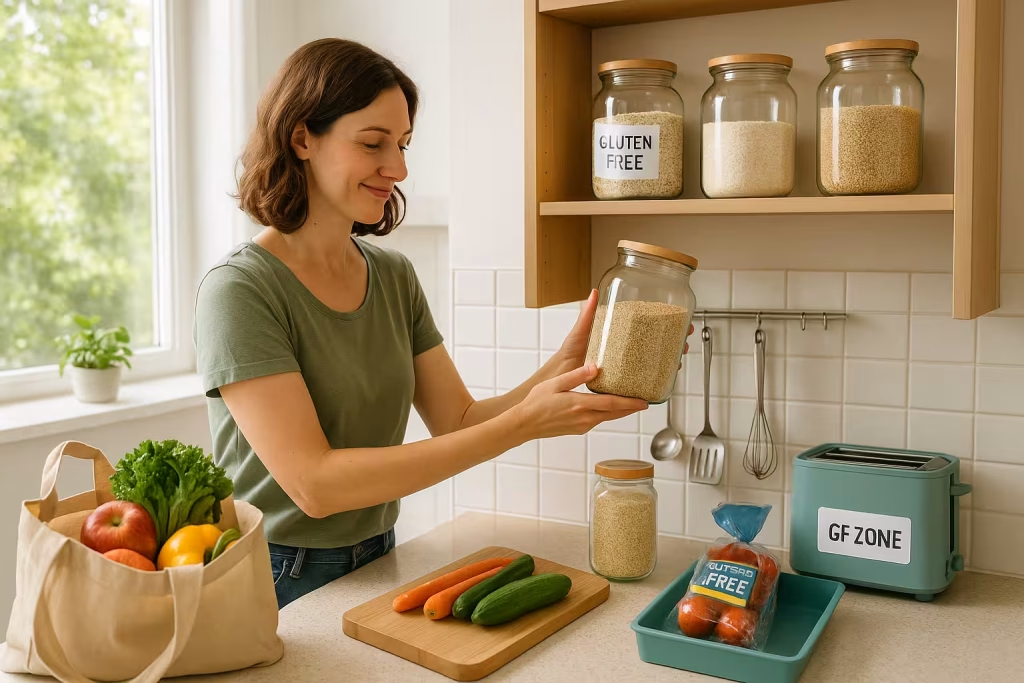
Staying gluten-free starts long before you turn on the stove — it begins in the grocery store. Even the most careful kitchen can’t undo contamination that happens during shopping or storage. With a few smart habits, you can shop confidently, unpack safely, and keep your gluten-free food protected at every step.
Tip #1 – Plan Before You Shop
A little preparation makes grocery trips smoother and safer. Create a list ahead of time and double-check your pantry so you’re not rushing to grab unfamiliar products.
Smart pre-shopping steps:
- Make a master list of trusted gluten-free brands.
- Read labels ahead of time online — ingredient lists can change.
- Bring reusable bags labeled “Gluten-Free” to separate groceries.
- Shop gluten-free aisles or specialty sections first to avoid contact with open bakery bins or flour dust.
🛒 Katie’s Tip: Try shopping early in the morning when stores are less crowded and surfaces are cleaner — fewer people mean fewer crumbs on shared counters and conveyor belts.
Tip #2 – Be Cautious at Checkout
Checkout lanes are a hidden danger zone for gluten contact. Conveyor belts often have crumbs or spills from the customers before you.
Protect your items:
- Keep gluten-free items in a separate section of your cart.
- Ask the cashier to bag them separately or place a divider on the belt.
- Avoid letting packaged bread or baked goods rest near your gluten-free items.
A quick wipe with a disinfectant cloth before unloading your cart at home is also a smart extra step.
Tip #3 – Store Food Safely at Home
Once your groceries are home, proper storage helps prevent gluten from drifting, spilling, or sneaking into your gluten-free foods.
Best practices for gluten-free storage:
- Dedicate a section of your pantry or fridge to gluten-free foods only.
- Store gluten-free items above gluten-containing foods (gravity again!).
- Use airtight containers for flours, snacks, and baking ingredients.
- Label containers “GF” clearly so everyone knows what’s safe.
- Keep an extra set of measuring cups and spoons just for gluten-free baking.
🏡 Pro Tip: Clear plastic bins work beautifully — they make it easy to see what’s gluten-free and keep crumbs out of your storage spaces.
Tip #4 – Manage Bulk Buying Carefully
Buying in bulk can save money, but it can also increase risk. Large containers that multiple family members use often lead to accidental cross-contact.
If you buy in bulk:
- Scoop gluten-free ingredients with clean, dedicated utensils.
- Pour what you need into smaller labeled containers.
- Never use the same measuring cup for both gluten and gluten-free foods.
Bulk items like oats, nuts, and grains are especially important to check for certified gluten-free labels since contamination can occur at the factory level.
Mini Checklist: Safe Gluten-Free Grocery Habits
- ✅ Shop gluten-free sections first
- ✅ Use separate reusable bags
- ✅ Check labels every time
- ✅ Store gluten-free foods higher up
- ✅ Keep airtight containers labeled “GF”
- ✅ Clean pantry surfaces regularly
Keeping your gluten-free groceries safe isn’t about being obsessive — it’s about building habits that make sense. Once you have your system down, shopping and storing gluten-free becomes second nature. You’ll save time, protect your food, and cook with total confidence knowing your ingredients are truly safe.
Dining with Family and Guests
Sharing food with others is one of the best parts of life — and living gluten-free doesn’t have to take that joy away. Whether you’re hosting, attending a family dinner, or going to a friend’s house, the key is communication and preparation. With a little planning, you can stay safe and enjoy every moment around the table.
Start by explaining your needs ahead of time. Most people want to help but simply don’t know how serious gluten exposure can be. A gentle approach works best: “Even small crumbs can make me sick, so I have to be extra careful.” When people understand it’s about health, not preference, they usually become more thoughtful about how they serve or prepare food.
If you’re the one hosting, keep things simple. Focus on naturally gluten-free meals like meats, vegetables, potatoes, rice, and fruit. These foods make everyone happy and reduce the risk of mistakes. Always use separate serving utensils, cutting boards, and cookware for gluten-free items.
Simple hosting and dining tips:
- Cook gluten-free dishes first, before using shared cookware or surfaces.
- Use clearly labeled or colored utensils for gluten-free food.
- Keep gluten and gluten-free dishes on separate sides of the table.
- Let guests know which foods are safe (and which aren’t).
- Set aside condiments or sauces that haven’t been double-dipped.
- Wash hands and wipe counters before prepping gluten-free plates.
If you’re eating at someone else’s house, don’t be afraid to bring your own food or snacks. Most hosts appreciate it — it makes their job easier and ensures you’ll have something safe to eat. You can even bring a dish to share so others can enjoy gluten-free food with you.
Holidays, potlucks, and family parties can feel chaotic, but they don’t have to be stressful. The best approach is to serve yourself first, stay aware of shared utensils, and focus on connection over perfection. People will notice your calm confidence — and over time, your family and friends will start adopting your gluten-free habits naturally.
💚 Katie’s Tip: Keep the focus on fellowship, not fear. When you lead with grace and preparation, everyone at the table feels more comfortable — including you.
Hidden Gluten Trouble Spots
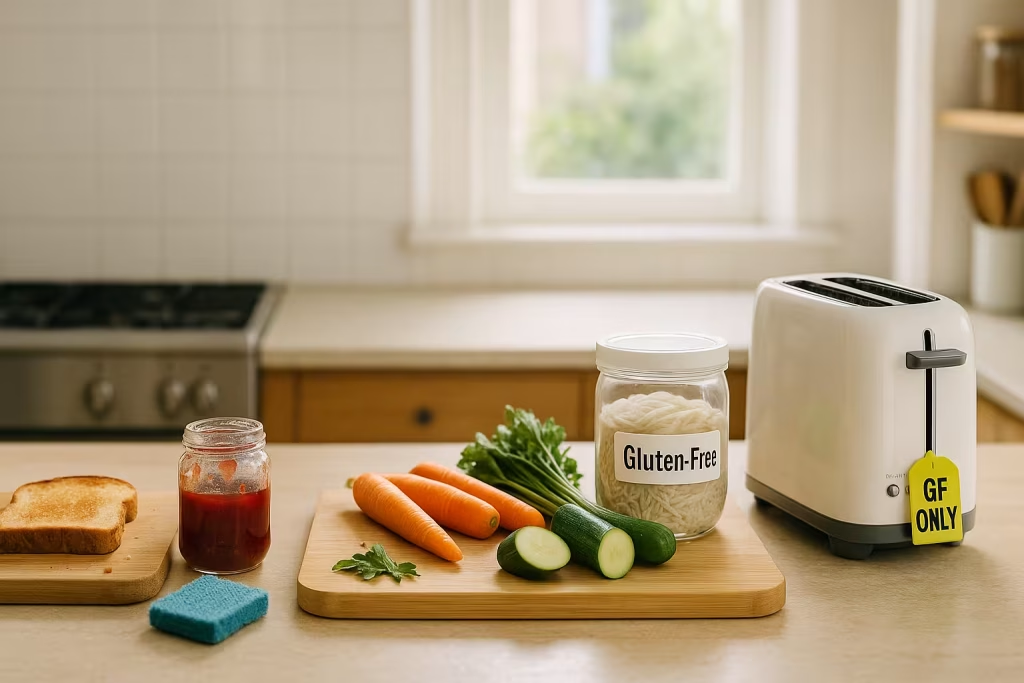
Even when you’ve cleaned, labeled, and organized everything, gluten still has a way of showing up where you least expect it. These hidden sources often slip under the radar because they look safe — but can quietly undo your hard work in keeping a gluten-free home. The key is to know where gluten likes to hide and how to stop it from spreading.
Here are some of the most common sneaky sources of gluten at home:
- Toasters and air fryers: Crumbs can collect and blow around inside, contaminating gluten-free food. Use a separate toaster or air fryer basket, or line with foil or parchment paper.
- Condiment jars: Peanut butter, jam, and butter often contain crumbs from shared knives. Always keep dedicated “GF ONLY” jars or use squeeze bottles when possible.
- Cutting boards and wooden utensils: Gluten can seep into tiny cracks and pores. Stick to glass, silicone, or stainless steel tools that can be fully sanitized.
- Dish towels and sponges: If someone wipes their hands after handling bread, those crumbs transfer fast. Use separate towels for gluten-free use only.
- Pet food and treats: Many contain wheat or barley. Wash your hands after feeding pets and keep their bowls away from gluten-free prep zones.
- Shared oil or fryers: Gluten particles stay in oil and can contaminate fries, meats, or even vegetables cooked afterward. Always use fresh oil for gluten-free cooking.
- Play-Doh and craft materials: If you have kids, remember that Play-Doh, homemade clay, or paper mâché paste often contain wheat flour. Choose gluten-free alternatives for peace of mind.
It’s not about being paranoid — it’s about being aware. Once you know these spots, you can easily make small adjustments to eliminate risk altogether.
⚠️ Katie’s Tip: Make a “gluten check” part of your weekly cleaning routine. A five-minute scan of your kitchen tools and surfaces keeps things truly gluten-free and helps you catch sneaky contamination before it happens.
By spotting these trouble areas early and building habits around them, you’ll protect yourself — and your family — from gluten’s hidden paths.
Frequently Asked Questions
Living gluten-free at home often comes with lots of little questions — the kind that pop up in the middle of cooking or cleaning when you just want to be sure you’re doing things right. You’re not alone! These are some of the most common questions people ask when learning how to prevent cross-contamination and keep their homes truly gluten-free. Each answer is simple, practical, and tested by experience.
Can I share a kitchen if only I’m gluten-free?
Yes, absolutely — but it takes structure. The key is creating clear systems so everyone knows what’s safe. Designate gluten-free zones, label utensils and ingredients, and use color-coded tools to make things easy for everyone. Once your household learns the rhythm, sharing a kitchen becomes simple and stress-free.
How do I clean cookware or utensils that have touched gluten?
Start by scrubbing thoroughly with hot, soapy water and a clean sponge. For stainless steel or glass, that’s usually enough. But if it’s something porous — like a wooden spoon, cutting board, or cast iron pan — it’s best to replace it or dedicate it exclusively to gluten-containing foods. Gluten can hide in microscopic cracks you can’t see.
Is it okay to share an oven?
Yes, you can safely share an oven as long as you take a few precautions. Always place gluten-free dishes on the top rack, lined with foil or a baking sheet to avoid falling crumbs. When baking, use parchment paper or silicone mats for a protective barrier. And never bake gluten-free and gluten items at the same time if flour or crumbs could circulate in the air.
Do I really need separate toasters or air fryers?
In short — yes. These appliances are crumb magnets. Even a quick toast cycle can scatter gluten particles everywhere. If space is tight, you can line the tray or basket with foil or parchment paper, but having a dedicated gluten-free version is the safest option.
What cleaning products are safest for gluten-free kitchens?
Most standard cleaning products are fine since gluten isn’t absorbed through the skin. Just make sure to rinse surfaces well. If you prefer a natural route, vinegar and water or fragrance-free sprays work beautifully. The biggest thing isn’t what you use — it’s how often you clean. Regular wipe-downs keep gluten from building up where you least expect it.
What about things like cast iron pans or baking sheets?
Cast iron absorbs gluten through its seasoning, and baking sheets often have scratches where gluten can linger. If they’ve been used for gluten foods, consider keeping a separate set for gluten-free cooking. Look for non-porous materials like stainless steel, silicone, or enamel-coated pans instead.
Can I trust “gluten-free” labels at the store?
In the U.S., foods labeled “gluten-free” must contain less than 20 parts per million (ppm) of gluten — a safe level for most people with celiac disease. Still, it’s smart to double-check brands and read ingredient lists, especially for sauces, soups, and snacks that might change formulas.
How can I politely handle eating at other people’s homes?
Kindness and clarity go a long way. Let your host know ahead of time that you have a gluten-free diet and may bring your own dish. Most people are understanding once they realize it’s about your health. You can also offer to help prepare or label safe foods — it makes everyone more comfortable.
Building a Kitchen You Can Truly Trust
Avoiding cross-contamination isn’t about creating a perfect kitchen — it’s about creating a safe one. Every small step you take, from labeling condiments to wiping down counters, builds confidence and peace of mind. Over time, these little habits become part of your routine, and your gluten-free lifestyle starts to feel effortless.
It’s normal to feel overwhelmed at first. Most of us have made a few mistakes along the way (I certainly have). What matters most is consistency — not perfection. When your systems are simple and your household is on the same page, staying gluten-free at home becomes easy, natural, and even empowering.
Your kitchen can be a place of freedom, not fear. With the right setup and awareness, you’ll spend less time worrying about crumbs and more time enjoying the meals that make you feel good — body, mind, and spirit.
💚 Next Step: Download our Free Gluten-Free Kitchen Safety Checklist or check out our Hidden Sources of Gluten Guide to keep building your healthy, confident gluten-free home.