

On this page
When you first go gluten-free, your pantry can feel like a minefield. You open the cabinet and suddenly everything you thought was safe is in question. Soy sauce? Contains wheat. That seasoning mix you’ve used for years? Check the label. Oats? Complicated. It’s a lot to take in all at once, and you’re not imagining that it feels overwhelming.
The good news is that once you clear out what doesn’t work and stock it with the right things, your pantry becomes one of the biggest tools in your gluten-free life. A well-stocked gluten-free pantry means fewer last-minute stress decisions, fewer accidental exposures, and a whole lot more confidence in the kitchen.
Here’s exactly how to set it up.
Start by Clearing Out the Gluten
Before you can stock a gluten-free pantry, you need to know what you’re working with. Go through every shelf and pull out anything that contains wheat, barley, rye, or malt. That includes the obvious stuff — flour, pasta, bread crumbs, crackers — and the less obvious items like soy sauce, most canned soups, flavored rice mixes, some oats, and certain spice blends.
Your Gluten-Free Pantry Starter Checklist
- Empty shelves of any gluten-containing foods.
- Wipe down pantry surfaces to remove crumbs or dust.
- Organize gluten-free flours: rice, almond, coconut, and certified gluten-free oats.
- Stock gluten-free pasta, rice, and canned beans.
- Choose gluten-free condiments like tamari or coconut aminos instead of soy sauce.
- Keep separate storage containers for gluten-free snacks and baking ingredients.
- Label shelves or bins clearly to avoid mix-ups.
A few things to look for on ingredient labels:
- Wheat, wheat flour, enriched flour, whole wheat, wheat starch
- Barley, barley malt, malt extract, malt flavoring
- Rye
- Triticale (a wheat-rye hybrid)
- Spelt, kamut, farro, durum, semolina (all forms of wheat)
If you live with people who still eat gluten, you don’t have to throw everything out — but you do need to store your gluten-free items separately and make sure there are no shared utensils, cutting boards, or containers that could cause cross-contact. Your gluten-free pantry space should be clearly yours.
The Gluten-Free Pantry Staples Worth Having on Hand
Once you’ve cleared the shelves, it’s time to restock. These are the categories that matter most, along with what to look for in each one.
Flours and Baking Basics
If you bake at all, this is the category that will matter most to you. Gluten-free baking uses a mix of different flours and starches to replicate the structure that gluten normally provides. You don’t need all of these, but having a few options gives you flexibility.
- All-purpose GF flour blend — Bob’s Red Mill 1-to-1 or King Arthur Measure for Measure are the most reliable for everyday recipes. These cup-for-cup blends take the guesswork out of conversions.
- Almond flour — Great for moist baked goods like muffins and quick breads. Bob’s Red Mill and Anthony’s both make certified gluten-free versions.
- Tapioca starch and cornstarch — Useful for thickening sauces and improving texture in baked goods.
- Xanthan gum — A small amount in baked goods helps bind ingredients together and replicate the structure gluten usually provides. A little goes a long way.
- Baking powder — Most baking powder is gluten-free, but check the label. Brands like Rumford and Bob’s Red Mill are reliably safe.
Grains and Pasta
There are more naturally gluten-free grains than most people realize. These should form the backbone of your pantry.
- White and brown rice — The most versatile gluten-free grain. Stock both and you’ll have a base for almost any meal.
- Quinoa — High in protein, naturally gluten-free, and ready in about 15 minutes. Buy it certified gluten-free, since some facilities process it alongside wheat.
- GF pasta — Jovial brown rice pasta holds up well and tastes closest to the real thing. Banza (chickpea-based) is a great high-protein option.
- Certified gluten-free oats — Regular oats are cross-contaminated with wheat at most facilities. Bob’s Red Mill and GF Harvest both sell dedicated gluten-free oats.
- Polenta and grits — Naturally gluten-free and extremely versatile. Look for brands that label their product certified GF.
Condiments and Sauces
This is the category that trips people up the most, because gluten hides in a lot of sauces and condiments you’d never expect. Swap these in and you’ll cover most of your cooking without thinking twice.
- Tamari instead of soy sauce — San-J makes a certified gluten-free tamari that tastes virtually identical to soy sauce in every recipe. This is a non-negotiable swap.
- Coconut aminos — A slightly sweeter alternative to soy sauce that works well in stir-fries and marinades. Naturally gluten-free.
- Certified GF Worcestershire sauce — Lea & Perrins is considered gluten-free in the US. Always check the label, as formulations vary by country.
- Plain olive oil, avocado oil, and coconut oil — All naturally gluten-free. Stick to single-ingredient oils and you’re always safe.
- Apple cider vinegar and balsamic vinegar — Both are gluten-free. Distilled white vinegar is also safe. The one to avoid is malt vinegar, which is made from barley.
- Mustard — Most plain mustards (Dijon, yellow, stone-ground) are gluten-free. Flavored varieties should be checked.
Canned and Jarred Goods
Most plain canned goods — beans, tomatoes, vegetables, fish — are naturally gluten-free. Where things get tricky is with anything seasoned, sauced, or mixed. Canned soups and broths in particular often use wheat as a thickener.
- Canned beans (black, chickpeas, kidney, lentils) — plain versions are safe and endlessly useful
- Canned tomatoes and tomato paste — naturally gluten-free
- Canned fish and tuna — plain varieties packed in water or oil are safe; flavored versions need checking
- Chicken and vegetable broth — look for certified GF versions; Swanson Natural Goodness and Pacific Foods both offer reliable options
- Salsa and hot sauce — most are naturally gluten-free, but always read the label on flavored varieties
Snacks and Extras
Having certified gluten-free snacks on hand saves you from reaching for something risky when you’re hungry and not thinking clearly.
- Rice cakes and popcorn — plain varieties are always safe
- Simple Mills almond flour crackers — certified GF and substantial enough to feel like a real snack
- Enjoy Life chocolate chips — certified gluten-free and free from the top allergens; great for baking or snacking
- Nuts and nut butters — plain varieties are naturally gluten-free; flavored or mixed versions need a label check
- Dark chocolate — most plain dark chocolate is gluten-free; brands like Enjoy Life and Hu Kitchen are certified
How to Organize Your Pantry for Safety
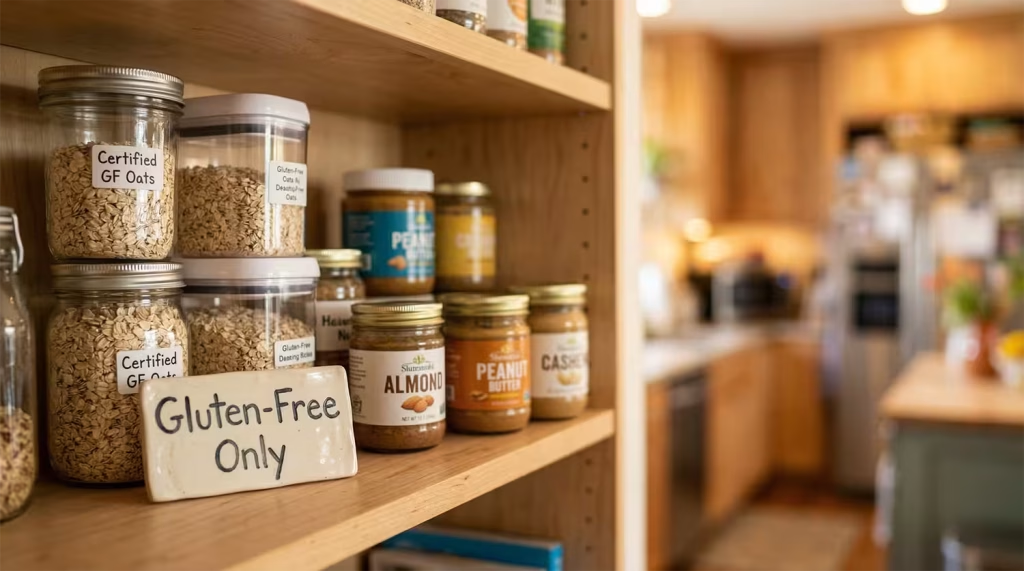
If anyone in your household still eats gluten, organization is just as important as what you buy. Cross-contact can happen in a pantry just as easily as in a kitchen — a shared cracker box, a double-dipped knife in the peanut butter, a bag of bread flour stored above your GF flour.
A few rules that make a real difference:
- Store your GF items on a dedicated shelf — ideally above anything containing gluten, so crumbs and flour dust can’t fall into your food
- Keep GF versions of shared items separate — your own jar of peanut butter, your own butter, your own condiments that are never double-dipped into
- Label everything clearly — especially in households with kids, a simple “GF Only” label on your shelf goes a long way
- Keep your GF flours in sealed containers — open bags near regular flour can pick up contamination from the air
A Simple Pantry Starter List
If you’re starting from scratch and don’t want to buy everything at once, this is a solid first-round shopping list that covers most everyday cooking:
- Bob’s Red Mill 1-to-1 Gluten-Free Flour
- Jovial brown rice pasta (one or two shapes)
- White and brown rice
- Certified GF oats
- San-J tamari
- Chicken broth (certified GF)
- Canned tomatoes and tomato paste
- Canned beans (two or three varieties)
- Olive oil
- Apple cider vinegar
- Simple Mills crackers
- Enjoy Life chocolate chips
That list gets you through most meals without thinking too hard. From there, you’ll start to notice what you reach for most and build accordingly.
Common Pantry Mistakes to Avoid
A few missteps come up again and again for people building their first gluten-free pantry. Knowing them ahead of time saves you from learning the hard way.
Assuming “wheat-free” means gluten-free. It doesn’t. Barley and rye also contain gluten, and a product can be wheat-free while still being off-limits.
Buying in bulk before you’ve tested a product. Gluten-free alternatives vary widely in taste and texture. Try a small size first before committing to a large bag of flour or a case of pasta you may not love.
Forgetting to check spice blends and seasoning packets. These are one of the most common hidden sources of gluten. Many contain wheat as a filler or anti-caking agent. Plain single-ingredient spices are always safe; blends need a label check.
Neglecting to replace shared items. If you share a jar of jam, a tub of butter, or a container of nut butter with someone who eats gluten, those can become contaminated through double-dipping. Your own dedicated containers are a small cost for a big safety upgrade.
Your Pantry Is Your Foundation
Getting your pantry right is one of the most impactful things you can do in the early stages of going gluten-free. When your shelves are stocked with ingredients you trust, cooking feels less like a safety exercise and more like just cooking. You stop spending mental energy on “is this safe?” and start putting that energy into actually making good food.
It takes a little investment upfront — in time, in label-reading, and yes, in some new products — but once it’s done, it makes every meal that follows easier. And that’s the whole point.