
You’ve cut out the bread, skipped the pasta, and found your favorite gluten-free snacks—yet somehow, you’re still not feeling your best. Sound familiar? The truth is, gluten can be a master of disguise. It sneaks into everyday foods under names you’d never expect, quietly hiding in sauces, seasonings, and even “healthy” products that look perfectly safe.
This guide will show you where gluten hides, what to watch for on ingredient labels, and how to spot the sneaky sources that trip up even the most careful eaters. You’ll also learn how to prevent cross-contamination, make smart swaps for common gluten-filled foods, and dine out with confidence.
By the end, you’ll know exactly how to outsmart hidden gluten—so you can eat well, feel great, and stay in full control of your gluten-free lifestyle.
What Counts as a “Hidden Source” of Gluten?
A “hidden source” of gluten is any ingredient, additive, or processing method that introduces gluten into a food without making it obvious. These are the sneaky ones—the ingredients that sound harmless or even healthy but quietly contain wheat, barley, or rye.
Manufacturers often add gluten to improve a food’s texture, flavor, or stability. It acts as a binder in sauces, a thickener in soups, and even a flavor enhancer in seasonings. That means gluten can show up in foods like salad dressing, soy sauce, or even something as simple as a bag of potato chips.
Here’s the tricky part: food labels don’t always make it clear. U.S. labeling laws require wheat to be listed as an allergen, but barley and rye often fly under the radar. So even if a product says “wheat-free,” it can still contain gluten through barley malt, rye flour, or yeast extract.
Here are a few common disguises gluten loves to wear:
| Label Term | What It Really Means |
|---|---|
| Malt extract | Made from barley (contains gluten) |
| Natural flavorings | Can include gluten-based carriers |
| Soy sauce | Usually brewed with wheat |
| Modified food starch | May come from wheat unless labeled gluten-free |
| Hydrolyzed vegetable protein (HVP) | May contain gluten from barley or wheat |
Learning to spot these red flags is one of the most empowering parts of going gluten-free. Once you know how to decode labels and understand these “hidden names,” you’ll shop—and eat—with far more confidence.
Sneaky Everyday Foods That Often Contain Gluten
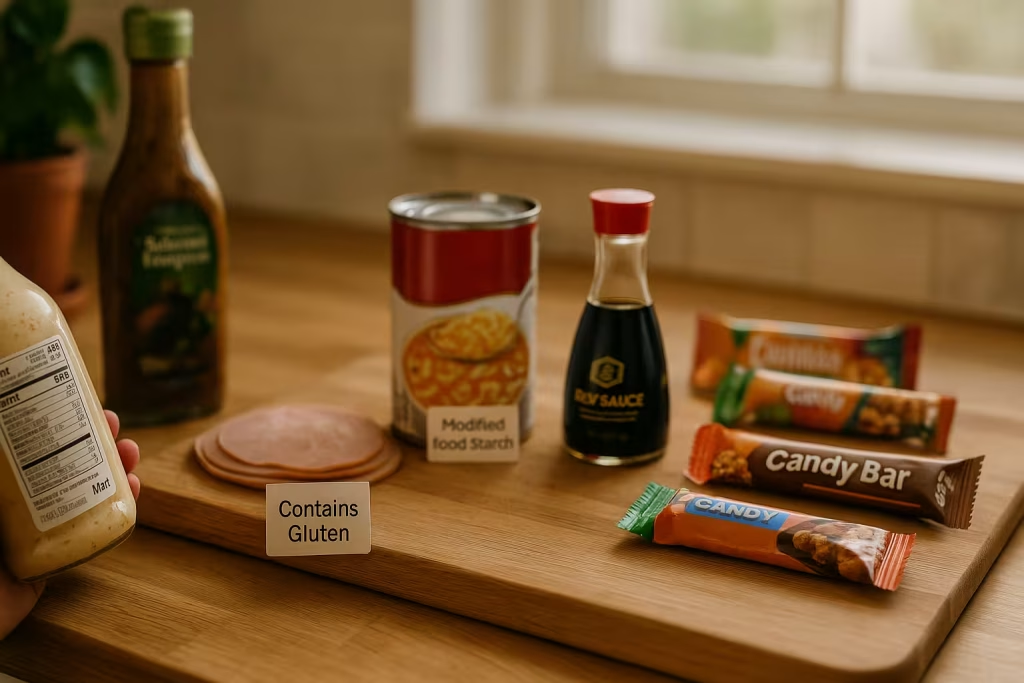
Let’s break down some everyday foods where gluten likes to hide.
1. Sauces, Condiments, and Dressings
Many sauces and dressings use gluten as a thickener or flavor enhancer. Common culprits include:
- Soy sauce and teriyaki sauce
- Salad dressings made with malt vinegar
- Brown gravy mixes or roux-based sauces
- Marinades and barbecue sauces
Tip: Look for alternatives made with tamari or coconut aminos instead of soy sauce.
2. Processed Meats & Protein Products
Even though meat is naturally gluten-free, the way it’s processed can make it risky. Watch out for:
- Hot dogs and deli meats with fillers or seasonings
- Meatballs or meatloaf mixes with breadcrumbs
- Pre-seasoned or marinated meats
- Imitation crab (surimi)
What to do: Stick to whole cuts of meat and season them yourself.
3. Dairy & Dairy Alternatives
You wouldn’t expect gluten in dairy—but it sneaks in through additives. Check labels on:
- Flavored yogurts and milkshakes (especially malted varieties)
- Ice creams with cookie or brownie mix-ins
- Oat milks that aren’t certified gluten-free
Tip: Always choose certified gluten-free oat milk and plain dairy products you can flavor yourself.
4. Snacks & Sweets
Some snacks that look innocent aren’t gluten-free after all. Watch for gluten in:
- Candy bars (especially those with crispy fillings or cookie crumbs)
- Licorice (often made with wheat flour)
- Flavored chips and popcorn
- Granola bars and trail mixes
Even products labeled “made with oats” can be cross-contaminated unless they specify certified gluten-free oats.
5. Soups & Ready Meals
Many soups and frozen meals use flour or modified food starch as a thickener. Common problem foods:
- Cream-based soups (like chowders)
- Instant noodles or pasta cups
- Frozen casseroles and pot pies
- Broth cubes and bouillon with hydrolyzed wheat protein
Safer swaps: Choose brands that clearly label their soups as gluten-free or make homemade versions using fresh ingredients.
6. Beverages & Alcohol
Gluten can also sneak into drinks. Hidden sources include:
- Beer, malt beverages, and hard sodas
- Flavored coffees or syrups made with malt flavoring
- Pre-mixed cocktails using beer bases
- Protein shakes with barley malt
Stick to beverages labeled “gluten-free” and double-check protein powders before you blend.
7. Health Foods & Supplements
Ironically, “health” products often contain gluten fillers or binders. Double-check:
- Protein powders and meal replacements
- Vitamins and multivitamins
- Fiber supplements
- Probiotics or collagen blends
Look for a certified gluten-free label, or reach out to the manufacturer if unsure.
Before you add anything to your cart or dinner plate, it’s always worth double-checking. Even the most innocent-looking foods can surprise you with hidden gluten ingredients. To make it easy, use our Gluten-Free Checker Tool — just type in any food or ingredient, and it will instantly tell you whether it’s gluten-free (and why). It’s the simplest way to shop and eat with confidence.
The Science of Cross-Contamination
Even when a food is naturally gluten-free, it can still become unsafe through cross-contamination—when gluten-free items come into contact with gluten-containing foods, surfaces, or utensils. For people with celiac disease or strong gluten sensitivity, even trace amounts can cause reactions or inflammation.
Cross-contamination can happen almost anywhere: in manufacturing plants, restaurants, or even your own kitchen. For example, oats processed in a facility that also handles wheat can pick up tiny gluten particles, and a toaster used for both regular and gluten-free bread can easily transfer crumbs.
Here are the most common ways cross-contamination happens:
- Shared cooking equipment: Fryers, mixers, or blenders used for both gluten and gluten-free foods.
- Kitchen tools and surfaces: Cutting boards, baking sheets, and spatulas that touch gluten.
- Condiment jars: Double-dipping knives in peanut butter, butter, or mayo spreads gluten crumbs.
- Manufacturing facilities: Gluten-free foods processed on the same lines as wheat-based products.
- Restaurant prep areas: Using the same grill, oil, or prep space for both gluten and gluten-free meals.
How to minimize risk:
- Keep separate cookware and utensils for gluten-free use.
- Label gluten-free condiments and keep them apart from shared ones.
- Clean kitchen surfaces thoroughly before cooking gluten-free meals.
- Store gluten-free foods on higher shelves to prevent falling crumbs or flour dust.
For a complete, step-by-step guide on protecting your kitchen and pantry, visit Avoiding Cross-Contamination at Home. It walks you through practical strategies, organization tips, and cleaning habits that make staying gluten-free at home easier—and safer—than ever.
How to Read Food Labels Like a Pro
Label reading is an essential gluten-free life skill. Here’s what to look for:
- “Contains Wheat” — must be listed under U.S. allergen labeling laws, but barley and rye are not required.
- “May Contain” or “Processed in a Facility With” — these indicate potential cross-contamination.
- “Gluten-Free” certification — the most reliable sign of safety.
Quick label-check routine:
- Scan for obvious gluten sources (wheat, barley, rye).
- Check for sneaky terms like malt, yeast extract, or starch.
- Confirm if the product is certified gluten-free.
- Be aware that brands can change ingredients—read every time you shop.
If you want to take your label-reading skills even further, explore our detailed guide: How to Read a Food Label (and Spot Hidden Gluten)
That page walks you step-by-step through how to decode tricky ingredients, understand labeling laws, and shop with total confidence in your gluten-free lifestyle.
Restaurant and Takeout Pitfalls
Eating out is one of life’s simple joys—but for anyone avoiding gluten, it can also be one of the easiest ways to get “glutened” without realizing it. Even when a restaurant has gluten-free options, cross-contamination in the kitchen can turn a safe meal into a risky one.
The problem usually isn’t the ingredients—it’s the preparation. Shared fryers, cutting boards, or utensils can easily introduce traces of gluten to your food. Sauces and seasonings are another common danger zone, especially soy sauce, marinades, and spice blends that contain hidden wheat or barley.
Here are a few common restaurant pitfalls to watch for:
- Shared fryers: Fries, wings, or chips cooked in oil used for breaded foods.
- Sauces and dressings: Soy sauce, teriyaki, gravy, or salad dressings made with wheat.
- Seasoning blends: Pre-mixed spices or marinades containing gluten-based fillers.
- Grills and prep areas: Bread crumbs or pancake batter left behind from other dishes.
Tips for ordering safely:
- Ask how your food is prepared and if separate cookware or utensils are used.
- Choose simple, naturally gluten-free items like grilled meats, salads (without croutons), or steamed vegetables.
- Politely let your server know that gluten-free isn’t just a preference—it’s a health necessity.
- When in doubt, skip fried foods unless the restaurant confirms a dedicated gluten-free fryer.
If you’re unsure where to dine, try using our Gluten-Free Restaurant Finder. It helps you quickly locate gluten-free–friendly restaurants near you, with community ratings and helpful notes from other gluten-free diners.
With a little preparation and the right tools, you can enjoy eating out again—without the worry.
How to Replace Hidden Gluten Foods Safely
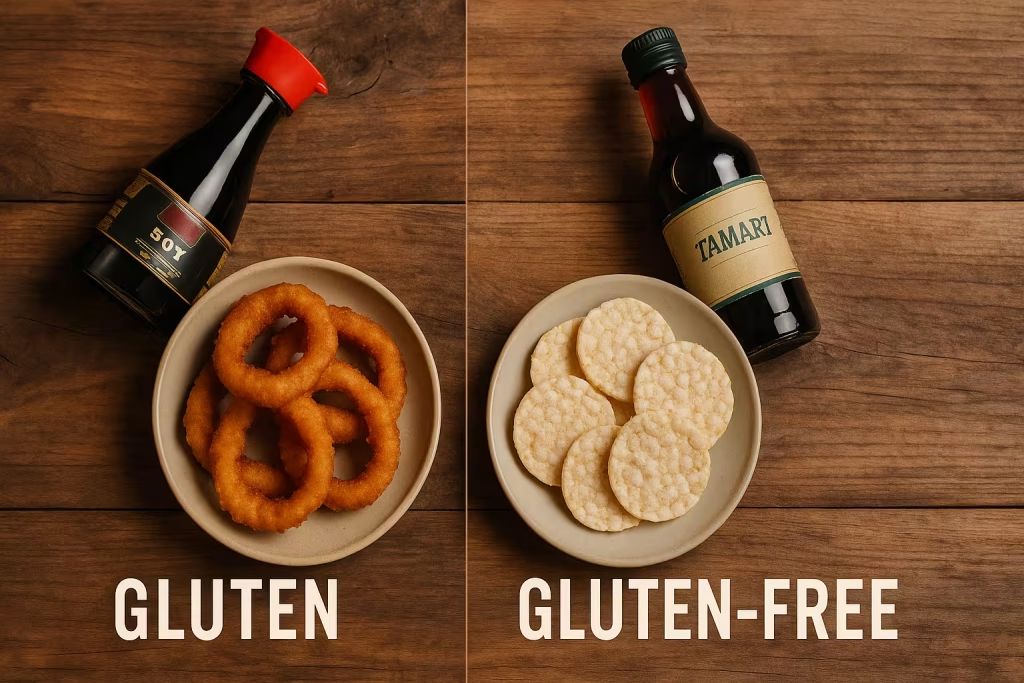
Once you start spotting where gluten hides, the next step is finding delicious swaps that keep your meals satisfying—and safe. The good news? There’s never been a better time to go gluten-free. From sauces to snacks, there are high-quality, gluten-free alternatives for almost everything you used to enjoy.
The key is to look for replacements that don’t just omit gluten but also add flavor and nutrition. Swapping smartly helps you maintain variety in your meals while avoiding unnecessary additives or over-processed options.
Here’s a helpful swap table to guide your grocery trips:
| Hidden Gluten Food | Why It’s a Problem | Gluten-Free Swap |
|---|---|---|
| Soy sauce | Brewed with wheat | Tamari or coconut aminos |
| Regular oats | Often contaminated during processing | Certified gluten-free oats |
| Wheat-based broth or bouillon | Thickened with wheat starch | Bone broth or gluten-free vegetable stock |
| Malt vinegar | Made from barley | Apple cider vinegar or rice vinegar |
| Flour-based gravy | Uses wheat as thickener | Cornstarch, arrowroot, or tapioca flour gravy |
| Bread crumbs | Contain wheat flour | Crushed gluten-free crackers, almond flour, or GF panko |
| Snack bars with malt syrup | Malt = barley | Bars sweetened with honey or maple syrup |
| Wheat pasta | Made from durum wheat | Brown rice pasta, lentil pasta, or quinoa pasta |
When you’re cooking at home:
- Experiment with gluten-free flours like almond, coconut, sorghum, and buckwheat for baking.
- Use naturally gluten-free grains—quinoa, rice, millet, and amaranth—for sides and salads.
- Stock up on gluten-free pantry staples such as tamari, cornstarch, and certified oats to make swaps easier on the fly.
With a little creativity, you’ll find that gluten-free eating isn’t about giving things up—it’s about discovering fresh, flavorful alternatives that make you feel your best.
Common Myths About Hidden Gluten
Even after years of eating gluten-free, it’s easy to run into conflicting advice or misinformation. Some “rules” you see online sound convincing but don’t always match up with current labeling laws or scientific facts. Let’s clear up a few of the most common myths so you can make food choices confidently—without unnecessary stress.
- “Gluten-free oats are always safe.” Not necessarily. Oats can be contaminated with wheat during processing—always look for certified gluten-free oats.
- “Distilled vinegar contains gluten.” Most distilled vinegars are gluten-free, as distillation removes proteins like gluten. Avoid malt vinegar, though—it’s made from barley.
- “Modified food starch always has gluten.” In the U.S., if modified food starch comes from wheat, it must say so on the label. Corn-based versions are gluten-free.
- “Beer labeled ‘crafted to remove gluten’ is safe.” Unfortunately, no. These beers are made from gluten grains and then processed to reduce gluten, but they may still contain trace amounts that are unsafe for people with celiac disease. Stick with naturally gluten-free beers brewed from sorghum, rice, or millet.
Understanding these facts helps you spend less time worrying and more time enjoying the foods you love. The more you separate gluten facts from fiction, the easier it becomes to live confidently and freely on your gluten-free journey.
Quick Reference: High-Risk Foods to Always Double-Check
Here’s a handy list to keep in your phone or print for grocery trips:
- Sauces, soups, and salad dressings
- Deli meats and imitation crab
- Flavored chips and candies
- Ice creams with mix-ins
- Malt beverages and flavored coffees
- Vitamins, protein powders, and supplements
If you’re unsure, contact the brand directly—many companies now have dedicated gluten-free support lines.
Helpful External Resources
For more in-depth reading and trusted information, check out:
Final Thoughts: Outsmarting Hidden Gluten for Good
Living gluten-free isn’t about fear—it’s about awareness. Once you learn where gluten hides, you take back control of your health and confidence. Every grocery trip and restaurant order becomes easier when you know what to look for and how to spot red flags on a label.
The key is progress, not perfection. Even seasoned gluten-free eaters occasionally get caught off guard, and that’s okay. What matters most is learning from each experience and continuing to refine your choices.
Keep this guide handy, bookmark trustworthy brands, and revisit your kitchen setup often. If you haven’t yet, explore our Gluten-Free 101 and How to Create a Gluten-Free Kitchen guides to strengthen your gluten-free foundation.
With knowledge, consistency, and a little vigilance, you can outsmart hidden gluten—and truly thrive on your gluten-free journey.