
The first time I tried to order at a restaurant after our family went gluten-free, I sat there staring at the menu like it was written in another language. Everything I used to order without thinking — the pasta, the sandwich, the soup — was suddenly off-limits. I ended up with a plain grilled chicken breast and steamed vegetables, and I wasn’t even sure those were safe. It was honestly one of the most frustrating meals of my life.
If you’ve been there, I want you to know: it gets so much easier. Ordering gluten-free at restaurants in 2026 is genuinely better than it’s ever been. More kitchens understand what celiac disease and gluten sensitivity actually mean, and more menus are designed with us in mind. You just need a system — a reliable way to evaluate a menu, ask the right questions, and make smart choices without turning dinner into an interrogation.
That’s what this guide is for. Whether you’re newly diagnosed or you’ve been gluten-free for years and still dread the ordering process, these are the strategies that have worked for our family — and for hundreds of readers who’ve written in to share what works for them, too.
Start Before You Even Open the Menu
The best ordering decisions actually happen before you sit down. If you haven’t already, check out our Restaurant Finder to locate places near you that understand gluten-free dining. But even when you’re at a restaurant you didn’t choose — a work lunch, a birthday dinner, a last-minute decision — there are things you can do before ordering that dramatically improve your safety.
- Look for an allergen menu. Many restaurants now have a separate allergen or dietary menu, either printed or available on request. Some have them on their website or app. This is always your best starting point because it’s been vetted by the kitchen, not guessed at by a server.
- Scan for naturally gluten-free sections. Most menus have a salad section, a grilled protein section, and sides like rice or potatoes. These are your safest zones. Start there mentally and build outward.
- Identify the danger zones. Anything fried, breaded, battered, or described as “crispy” is a red flag. Pasta dishes, sandwiches, and anything with a sauce are higher-risk unless the menu specifically notes gluten-free options.
The 5 Questions That Keep You Safe
Once you’ve narrowed down what looks promising on the menu, these five questions will help you confirm whether a dish is actually safe. I’ve used these for years, and they cover the vast majority of hidden gluten risks in restaurant food.
- “Is there flour in the sauce or marinade?” This is the number one hidden gluten source in restaurants. Cream sauces, gravies, teriyaki glazes, and even some tomato sauces are thickened with flour. If the server doesn’t know, ask them to check with the kitchen.
- “Are the fries or fried items cooked in a dedicated fryer?” Shared fryer oil is one of the most common cross-contamination points. If the fries share a fryer with breaded chicken tenders or onion rings, they’re not safe for someone with celiac disease.
- “Can my food be prepared on a clean surface with clean utensils?” This sounds like a lot to ask, but any kitchen that takes allergies seriously will understand. A clean section of the grill, a fresh pan, and separate tongs make a real difference.
- “Does the seasoning blend contain any wheat or gluten ingredients?” House seasoning rubs sometimes include flour or maltodextrin derived from wheat. It’s an easy thing for the kitchen to check, and most are happy to do it.
- “Are the eggs made with just eggs?” This one surprises people, but some restaurants — especially diners and breakfast chains — add pancake batter to scrambled eggs and omelets to make them fluffier. Always worth asking.
How to Read Between the Menu Lines
Restaurant menus are full of clues if you know what to look for. Here’s a quick decoder for common menu language:
- “Crispy” or “crunchy” — Almost always means breaded or battered with wheat flour. Ask if it can be prepared grilled or sautéed instead.
- “Seared” or “grilled” — Generally safer, but check the marinade and seasoning. A plain grilled protein with salt and pepper is your safest bet.
- “House-made” — This can go either way. House-made sauces and dressings may or may not contain flour. The good news is, the kitchen made it, so they know exactly what’s in it. Ask.
- “Served with bread” or “on a bed of pasta” — Obviously contains gluten, but these dishes can often be modified. Ask if the protein and vegetables can be served over rice, a salad, or on their own.
- “GF” or a gluten-free symbol — A great sign, but not a guarantee of zero cross-contamination. Always confirm the kitchen’s cross-contact protocols, especially if you have celiac disease.
The Safest Orders at Any Restaurant
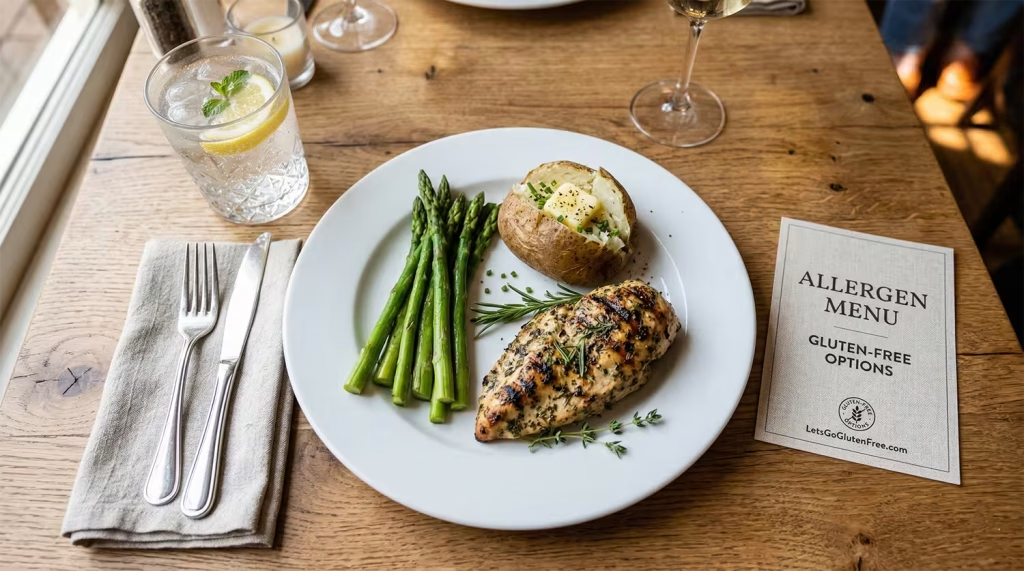
When in doubt, these categories of dishes tend to be the safest across almost any type of restaurant. They’re my fallback orders when I’m somewhere unfamiliar and feeling uncertain:
- Grilled steak, chicken, or fish — with no marinade or a simple oil-and-herb marinade. Ask for it to be cooked on a clean section of the grill with fresh utensils.
- Plain baked potato or rice — Skip loaded versions (the toppings may contain gluten) and add your own salt, butter, and pepper. Some restaurants coat baked potatoes in flour for crispier skin, so ask.
- Simple salad with oil and vinegar — Skip the croutons and ask for dressing on the side. Oil and vinegar or a simple lemon vinaigrette are almost always safe. Many creamy dressings contain hidden gluten.
- Steamed or roasted vegetables — As long as they’re not coated in a sauce or seasoning blend that contains wheat, steamed or roasted veggies are reliably safe.
- Corn tortilla tacos — At Mexican restaurants, corn tortillas with grilled meat, rice, and beans are typically one of the safest meals you can order. Just confirm the tortillas are 100% corn.
If you’re interested in which cuisines tend to be the most naturally gluten-free friendly, our Living Gluten-Free hub has more on navigating different types of restaurants.
What to Do When the Menu Has Nothing Safe
It happens. You’re at a restaurant you didn’t choose, and after scanning the menu and asking your questions, nothing feels truly safe. Here’s what I do:
- Ask for a custom plate. Most kitchens can prepare a simple grilled protein with plain vegetables and rice or potato, even if it’s not on the menu. I’ve done this dozens of times and never been turned away.
- Order sides as your meal. A baked potato, a side salad, steamed broccoli, and rice can add up to a perfectly satisfying meal. It’s not glamorous, but it’s safe and it means you get to stay at the table with everyone else.
- Eat beforehand and order light. If I know a restaurant might be tricky, I’ll eat something at home first and then just order a drink and a simple side. It takes the pressure off entirely.
After You Order: Stay Alert
Your job isn’t done once the order goes in. When the food arrives, do a quick visual check:
- Look for croutons, bread, or breading that shouldn’t be there. Mistakes happen, especially in busy kitchens.
- Check for a sauce you didn’t order. If a dish arrives with an unexpected drizzle or glaze, send it back and ask. It’s not worth the risk.
- Trust your instincts. If something tastes off — too “bready” or different from what you expected — stop eating and ask the server to verify with the kitchen.
If you’d like to learn more about the hidden places gluten shows up in food, our Is It Gluten-Free? section covers hundreds of specific products and ingredients.
Ordering Gets Easier — I Promise
I know this feels like a lot of mental energy for something that should be simple. And honestly, the first few times you do it, it is a lot of mental energy. But here’s what happens: after a handful of restaurant meals where you use this system, it becomes second nature. You’ll scan the menu automatically, ask the right questions without thinking about it, and know your safe go-to orders by heart.
The goal isn’t to avoid restaurants. It’s to walk into any restaurant and know exactly how to find something safe and delicious. And you will get there — faster than you think.
For more practical strategies on the gluten-free lifestyle, explore our Gluten-Free 101 section or check out our free guide to get started on the right foot. You’ve got this.