

On this page
Holidays used to be my favorite time of year — no hesitation. The food, the family, the traditions we’d built over years of gathering around the same table. Then our oldest was diagnosed, and suddenly every holiday felt like a minefield. Thanksgiving stuffing made with wheat bread. Christmas cookies from Grandma’s recipe. Easter rolls that everyone reaches for without a second thought. The food that was supposed to bring us together started feeling like the thing that set us apart.
If that resonates with you, I want you to hear this: holidays can absolutely still be wonderful on a gluten-free diet. They just require a different kind of planning — and honestly, some of the traditions we’ve built around safe food have become our family’s new favorites. It takes time, but you’ll get there.
This guide covers how to handle every major holiday scenario — from hosting your own celebration to navigating someone else’s kitchen to surviving the office holiday party. If you’re looking for the bigger picture on gluten-free daily life, our Living Gluten-Free hub is a great starting point.
Hosting: When You’re in Control
Hosting is honestly the easiest scenario when you’re gluten-free, because you control every ingredient. If you have the option to host, take it. Here’s how to make it work:
- Make the entire meal gluten-free. Don’t try to make two versions of everything — one GF and one “regular.” It doubles your work and increases cross-contamination risk. Instead, make the whole meal gluten-free and don’t announce it. Most guests won’t notice, and the ones who do will be impressed.
- Focus on naturally gluten-free dishes. Roasted meats, mashed potatoes, roasted vegetables, rice, salads, and fruit are all naturally safe. Build your menu around these, and add GF versions of tradition dishes (like GF stuffing or GF gravy) where they matter most to your family.
- Bake one showstopper dessert. A flourless chocolate cake, a GF apple crisp, or a pavlova with seasonal fruit will impress everyone and prove that gluten-free doesn’t mean flavor-free. Browse our recipe collection for tested holiday dessert ideas.
- Label everything. If you’re serving a mix of GF and non-GF items (maybe a guest brought regular rolls), use small cards to label which dishes are safe. It prevents awkward questions and protects anyone at the table who needs to eat gluten-free.
Attending Someone Else’s Holiday Meal
This is the hard one. You’re at someone else’s house, you didn’t cook the food, and you may or may not trust the kitchen’s gluten-free safety. Here’s the approach that’s worked for our family for years:
Communicate Early
Don’t wait until you’re standing at the buffet to mention your dietary needs. Call or text the host a week or two before the event. Keep it simple and positive: “Hey, just a heads up — we’re still eating gluten-free for medical reasons. We’ll definitely bring a dish to share, and I’d love to know what you’re planning so I can figure out what will work for us.”
This does two things: it gives the host a chance to accommodate you if they want to, and it sets the expectation that you’re not expecting them to overhaul their entire menu.
Always Bring Food
Bring at least one substantial dish and one dessert. Make them both delicious enough that everyone wants some — this shifts the dynamic from “accommodation” to “contribution.” A gorgeous GF mac and cheese or a stunning GF pie says, “This diet doesn’t hold us back.” Our meal planner can help you plan what to make alongside your regular weekly meals.
Eat Before You Go (If Needed)
If you’re not sure there will be enough safe food, eat a small meal at home first. It takes the pressure off and means you won’t be starving if the only safe options are a plain salad and the dish you brought.
Navigate the Buffet Carefully
Buffets are cross-contamination central. Shared serving spoons, croutons dropping into the salad bowl, a bread roll touching the edge of the meat platter — it happens constantly. If you can, serve yourself first, before the buffet gets busy. Use clean utensils, and when in doubt, skip it.
Holiday-Specific Tips
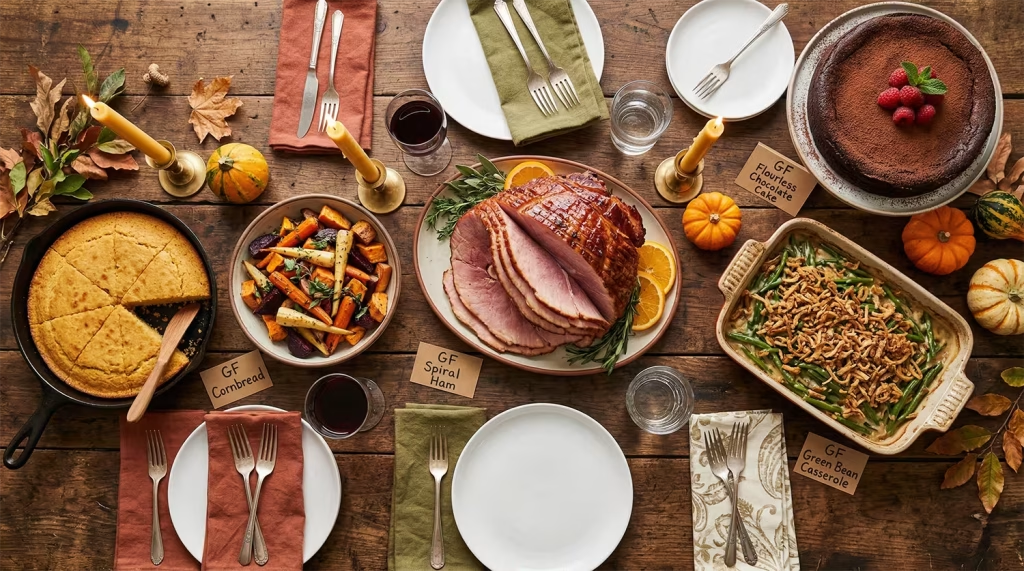
Each major holiday comes with its own set of gluten challenges. Here’s a quick guide to the biggest ones:
Thanksgiving
- Turkey: Naturally gluten-free, but check the brine or seasoning injection. Some pre-brined birds contain wheat-based flavoring.
- Stuffing: The biggest offender. Make a separate GF version using your favorite GF bread. Never eat stuffing that was cooked inside a traditionally-stuffed bird unless the stuffing itself is GF.
- Gravy: Almost always thickened with flour. Bring your own GF gravy or make a batch with cornstarch thickener.
- Pies: A GF pie crust with your favorite filling is an easy win. Nobody can tell the difference with a well-made GF crust.
Christmas
- Cookies: Start a GF cookie exchange tradition with tested recipes. Sugar cookies, gingerbread, and chocolate crinkles all adapt beautifully to GF flours.
- Ham: Usually safe, but check the glaze for soy sauce or malt vinegar. Make your own with brown sugar and mustard.
- Appetizers: Charcuterie boards with GF crackers, cheese, nuts, and fruit are naturally safe and crowd-pleasing.
Fourth of July / Summer Holidays
- Burgers and hot dogs: Usually safe if they’re 100% meat with no fillers. Check the brand. Serve on GF buns or lettuce wraps.
- Corn on the cob: Naturally GF and a summer staple.
- Potato salad and coleslaw: Usually safe, but check for malt vinegar or hidden thickeners in the dressing.
Office Parties and Work Events
Work parties are their own special challenge because you may not know the host well, the food is often catered, and you might not want to make your dietary needs the center of attention in a professional setting.
- Eat before you go. This is my default for any work event. I eat a real meal before I leave, and then I treat the party food as a bonus if there’s something safe.
- Bring your own dish. If it’s a potluck, bring something you can eat. If it’s catered, ask the organizer if you can bring a personal plate — most will be understanding.
- Keep it simple socially. You don’t need to explain celiac disease to your entire department. A brief “I have a food allergy, so I brought my own” is plenty. Most people won’t ask follow-up questions.
- Focus on the socializing, not the food. Parties are about connection, not the appetizer table. Eat beforehand, have a drink you know is safe, and enjoy the people.
Handling the Emotional Side
Let’s be real — holidays are emotional, and food is wrapped up in so many of those emotions. Missing Grandma’s pie recipe, not being able to eat the same Christmas cookies you grew up with, feeling left out while everyone else grabs a plate without thinking — that grief is real, and it’s okay to feel it.
What’s helped me most is building new traditions rather than trying to perfectly replicate old ones. Our family now has a GF gingerbread house tradition that the kids look forward to all year. We have a Thanksgiving stuffing recipe that’s become our new “this is non-negotiable.” These new traditions aren’t lesser — they’re just different. And they’re ours.
If you’re struggling with the emotional weight of a gluten-free diagnosis, our Gluten-Free 101 section has resources for the psychological side of this lifestyle change, not just the practical side.
The Holidays Are Still Yours
A gluten-free diet doesn’t take holidays away from you. It changes how you approach them — and yes, that takes work, especially in the beginning. But I promise you, the first time you sit down to a beautiful holiday table where everything is safe and delicious and your whole family is enjoying the same meal together, it’s worth every bit of planning.
Start with one holiday. Plan it well. Build from there. And check out our free guide for more strategies that make the gluten-free lifestyle feel doable — holidays included. You’ve got this.