
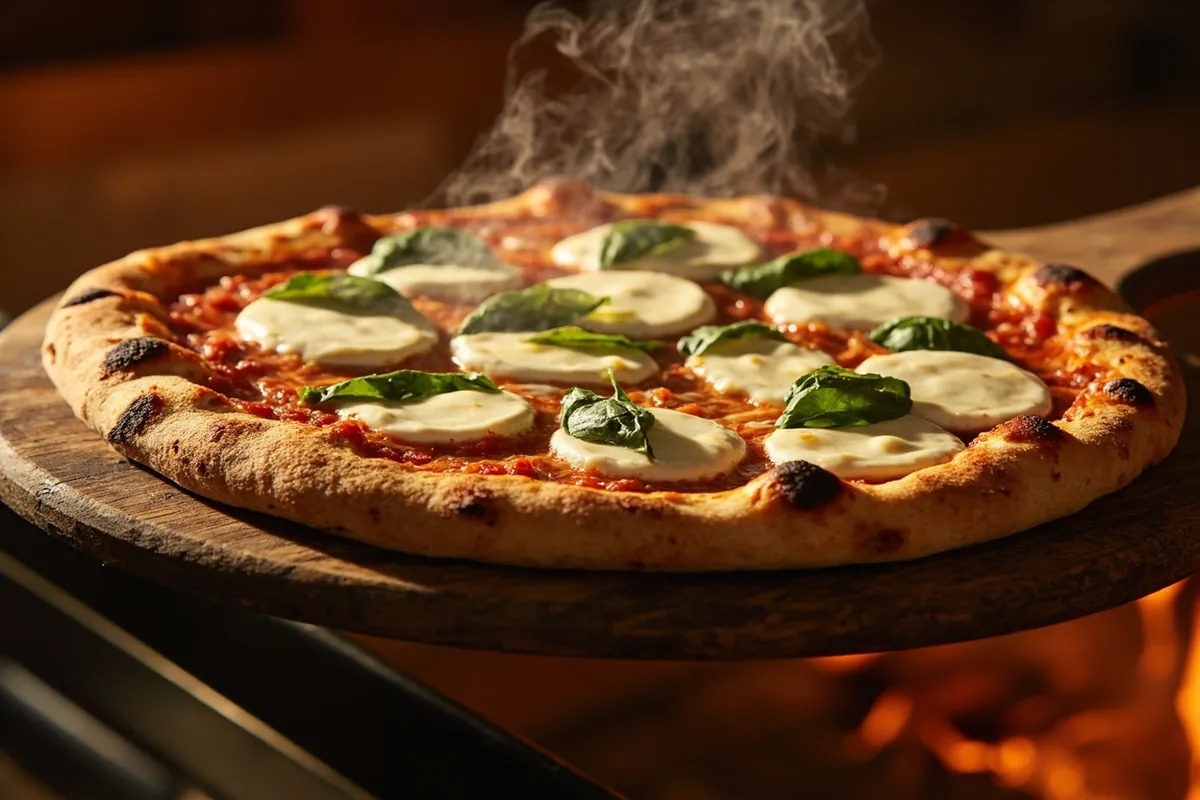
If you’ve ever tried gluten-free pizza dough and ended up with something crumbly or floppy, trust me, you’re not alone. When our boys first started needing gluten-free meals, finding a dough that was crispy but still held up under all their favorite toppings felt like chasing a unicorn. I remember one Friday night, our kitchen looked like a flour storm had hit, but after a few tries, we nailed this recipe that delivers that perfect balance — crispy on the outside, tender inside, and totally reliable. That matters when you want pizza night to feel like pizza night, not a science experiment.
Here’s the thing: gluten-free pizza dough can easily fall apart or taste gritty if you don’t get the blend right. For celiacs or anyone avoiding gluten, cross-contamination is a huge concern, so using trusted brands and keeping your prep space spotless is key. We always double-check every ingredient with the /is-it-gluten-free/ checker to make sure nothing sneaks in that could cause problems. With this recipe, you can feel confident serving up slices everyone will love — no compromises.
It’s not just about the dough though. It’s about the joy of sharing a meal that fits your family’s needs without sacrificing flavor or texture. Our family pizza nights are now a highlight of the week, and I’m excited to share this recipe with you so you can create your own pizza memories.
❤️ Why You’ll Love This Recipe
- Crispy crust that holds up to all your favorite toppings
- Easy to make with simple, trusted gluten-free ingredients
- Perfect for celiacs — low cross-contamination risk when prepped carefully
- Versatile base for any pizza style, from thin crust to thicker slices
- Made with Bob’s Red Mill 1-to-1 flour for consistent results
Ingredients & What You Need to Know
The foundation of great gluten-free pizza dough starts with the right flour blend. I recommend Bob’s Red Mill Gluten-Free 1-to-1 Baking Flour because it contains xanthan gum, which helps mimic the elasticity gluten provides. King Arthur Gluten-Free Flour and Cup4Cup are also solid choices if you want to experiment. Just be sure your blend includes a binder; otherwise, add xanthan gum separately.
Butter adds a subtle richness and tender crumb, but you can swap it out if you’re dairy-free. Instant yeast is our go-to for a reliable rise without the wait. A bit of sugar feeds the yeast, and olive oil boosts flavor and helps with crispiness. Finally, salt is essential for balancing flavors and strengthening dough structure. Each ingredient plays a role in creating a crust that’s both sturdy and delicious — no falling apart under the weight of toppings here!
🔄 Substitutions & Swaps
- Dairy-free: Replace butter with coconut oil or vegan butter
- Oil swap: Use avocado oil instead of olive oil for a milder flavor
- Yeast-free: Use baking powder (1 tbsp) but expect a denser crust
- Flour blend: Substitute King Arthur Gluten-Free Flour for Bob’s Red Mill
- Sugar-free: Omit sugar and add a little extra vinegar to aid yeast
Gluten-free baking is part science, part art, and this pizza dough recipe strikes that balance well. The key is the flour blend and the par-baking step — without these, you risk ending up with a crust that’s either too crumbly or too soggy. When you first mix the dough, it’ll feel stickier and a bit different than traditional dough. That’s totally normal! Resist the urge to add too much extra flour, as it can dry out your crust.
Watch the edges during baking; golden brown is your cue the crust is done. If you find your crust isn’t as crispy as you’d like, a quick blast under the broiler (just a minute or two!) can help — but keep a close eye to avoid burning.
Our family loves topping this crust with classic tomato sauce, mozzarella, and all the veggies the boys can pile on. It’s also fantastic with a white sauce base or even pesto for a change of pace. Serve with a simple side salad or roasted veggies for a filling meal everyone enjoys. This dough really opens the door for creativity while keeping things simple and reliable.
How to Make Gluten-Free Pizza Dough
💡 Pro Tips Before You Start
- Make sure your water is warm, not hot — about 110°F is ideal to activate yeast without killing it.
- Don’t skip the par-bake step; it’s key to a crispy crust that won’t get soggy.
- Use a pizza stone if you have one to get an extra crispy bottom.
- Let the dough rest 10 minutes after mixing to hydrate the flour fully.
- Handle the dough gently; gluten-free dough is more delicate than regular.
🗄️ Storage & Make-Ahead
- Room Temperature: Keep leftover pizza dough covered at room temperature for up to 4 hours; best used fresh.
- Refrigerator: Store dough in an airtight container or wrapped tightly in plastic wrap for up to 3 days.
- Freezer: Wrap dough tightly in plastic wrap and place in a freezer bag; freeze for up to 3 months. Thaw overnight in the fridge before using.
- Reheating: Reheat pizza slices in a hot oven (375°F) on a baking sheet for 5-7 minutes to restore crispiness.
-
2 cups gluten-free all-purpose flour (we use Bob’s Red Mill 1-to-1) -
1 packet (2 1/4 tsp) instant yeast -
1 tsp sugar -
3/4 tsp salt -
1 tbsp olive oil -
1 tbsp unsalted butter, melted -
3/4 cup warm water (about 110°F) -
1 tsp apple cider vinegar -
Optional: 1/2 tsp xanthan gum (if your flour blend doesn’t contain it)
-
1Preheat and Prep
Preheat your oven to 425°F (220°C). Line a pizza pan or baking sheet with parchment paper or lightly grease it with olive oil to prevent sticking. -
2Activate the Yeast
In a small bowl, combine the warm water, sugar, and yeast. Stir gently and let sit for 5 minutes until it becomes frothy. This means the yeast is active and ready. -
3Mix Dry Ingredients
In a large bowl, whisk together the gluten-free flour, salt, and xanthan gum if using separately. This ensures even distribution. -
4Combine Wet and Dry
Add the olive oil, melted butter, and apple cider vinegar to the yeast mixture. Pour this into the dry ingredients and mix with a spoon or dough hook attachment until a soft dough forms. -
5Shape the Dough
Using lightly oiled hands, transfer the dough to your prepared pan. Press and shape it evenly into a roughly 12-inch circle or rectangle, about 1/4 inch thick. The dough will be slightly sticky — that’s normal. -
6Par-Bake the Crust
Bake the crust for 12-15 minutes until the edges start to turn golden and the surface looks set. This step helps create a sturdy base so your toppings don’t make it soggy. -
7Add Toppings and Finish Baking
Remove the crust from the oven, add your favorite toppings, and return to the oven. Bake for an additional 6-8 minutes until the cheese is melted and bubbly.
Calories
Protein
Carbs
Fat
Fiber
Sugar
Sodium
Nutrition is estimated using a food database. Values may vary based on the specific brands and ingredients you use.
Frequently Asked Questions
Is Gluten-Free Pizza Dough gluten-free?
Yes, this recipe uses certified gluten-free flour and ingredients, making it safe for those with celiac disease or gluten intolerance, as long as cross-contamination is avoided.
Can I make Gluten-Free Pizza Dough dairy-free?
Absolutely! You can replace the butter with coconut oil or vegan butter without sacrificing flavor or texture.
Why did my Gluten-Free Pizza Dough turn out crumbly?
If your dough is crumbly, it may be due to too much flour or missing xanthan gum. Make sure your flour blend contains a binder or add xanthan gum separately, and avoid over-flouring when shaping.
Can I freeze Gluten-Free Pizza Dough?
Yes, you can freeze the dough wrapped tightly in plastic wrap and a freezer bag for up to 3 months. Thaw it overnight in the fridge before shaping and baking.
What gluten-free flour works best for Gluten-Free Pizza Dough?
We recommend Bob’s Red Mill Gluten-Free 1-to-1 Baking Flour for consistent results. King Arthur Gluten-Free Flour and Cup4Cup are also great options, but make sure they include xanthan gum or add it yourself.
I know firsthand how tricky gluten-free baking can be, especially when you want your pizza crust to be just right for your family. Our boys have loved this dough from the start, and it’s become a staple for our pizza nights. Remember, it might take a couple tries to find your rhythm, but the crispy, tasty results are so worth it. If you’re looking for more gluten-free recipes or want to double-check ingredients, be sure to explore more on LetsGoGlutenFree.com or use our handy food checker. Here’s to many delicious, safe pizza nights ahead for your family!
We’d love to hear how it turned out! Leave a comment and a star rating below — your feedback helps other readers and means the world to us.
Rate This Recipe
Did you make this? We'd love to hear how it turned out!