Gluten-free snack meal prep is one of the smartest things you can do for your week. When safe, satisfying snacks are already made and portioned, you spend less money on overpriced convenience foods and less time standing in front of the fridge wondering what you can eat.
I know how easy it is to reach for a $4 bag of certified gluten-free crackers when you’re desperate. I’ve been there. But after a few years of batch-cooking for my boys Austin and Alex — plus keeping myself fueled through long nursing shifts — I’ve figured out which snacks are actually worth prepping ahead of time and which ones are a waste of effort.
The 10 ideas in this guide are practical, mostly no-bake, and designed to travel well in lunchboxes, work bags, and road trip coolers. Most cost under $1–2 per serving when you make them yourself.
Key Takeaways
- You can prep 10 different gluten-free snacks in one Sunday session and be set for the whole week.
- No-bake options — like energy balls, yogurt parfaits, and trail mix — save serious oven time.
- Most of these snacks cost $0.50–$2 per serving versus $3–6 for pre-packaged alternatives.
- Proper storage (airtight containers, portioned bags) keeps snacks fresh 3–7 days in the fridge.
- Certified gluten-free labels matter for ingredients like oats, granola, and packaged mix-ins — always check.
Why Gluten-Free Snack Meal Prep Is Worth the Effort
Snacking is where a lot of gluten-free budgets quietly fall apart. A certified gluten-free granola bar runs $2–3 each. A small bag of GF pretzels at a gas station? Forget it. When you do your own gluten-free snack meal prep once a week, you take back control of both your wallet and your peace of mind.
The other benefit nobody talks about: you’re not scrambling to read labels under pressure. When 3pm hits and you’re exhausted, having a pre-portioned, safe snack in the fridge means zero label-reading stress. That matters a lot for people newly navigating celiac disease or gluten sensitivity.
10 Gluten-Free Snack Meal Prep Ideas (With Storage Notes)
1. No-Bake Energy Balls
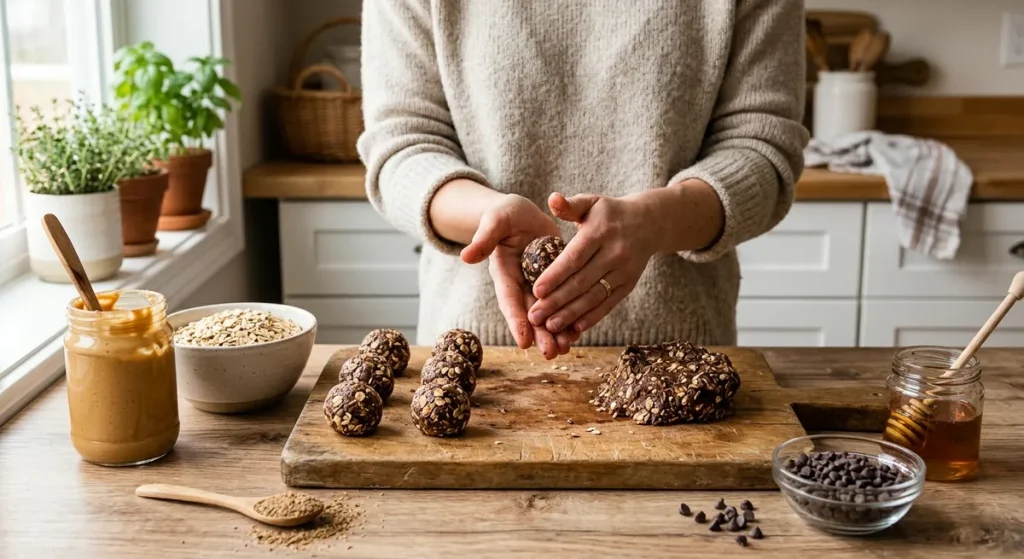
These are the MVP of my snack prep rotation. Mix certified GF rolled oats (I use Bob’s Red Mill Gluten Free Rolled Oats), natural peanut butter or almond butter, honey, mini chocolate chips, and ground flaxseed. Roll into balls and refrigerate. That’s it.
They’re filling, high in protein and healthy fat, and both of my boys eat them like candy. Make a double batch — they go fast.
- Storage: Airtight container in the fridge for up to 7 days; freeze up to 3 months
- Cost per serving: ~$0.40–$0.60 (about 2 balls)
2. Homemade Trail Mix
This is the easiest prep on the list — no cooking required. Combine your choice of raw nuts (almonds, cashews, pecans), seeds (pumpkin seeds are great for zinc and magnesium), dried fruit, and certified GF chocolate chips or coconut flakes. Portion into small zip-top bags or 4-oz mason jars.
The key is buying ingredients in bulk. Costco’s Kirkland Signature mixed nuts are a solid, affordable base — check our Costco Gluten-Free Products guide for more bulk buys worth your money.
- Storage: Room temp in airtight bags up to 2 weeks; refrigerate for longer freshness
- Cost per serving: ~$0.75–$1.00
3. Hard-Boiled Eggs
Don’t overlook how powerful this one is. A dozen eggs costs $2–4 and gives you 12 ready-to-eat high-protein snacks. Hard-boil a full dozen on Sunday, leave them unpeeled in the fridge, and grab them all week.
Pair with a small container of gluten-free hummus (try our homemade GF hummus recipe) or a handful of baby carrots for a snack that actually keeps you full.
- Storage: Unpeeled in the fridge up to 7 days; peeled in water up to 5 days
- Cost per serving: ~$0.25–$0.35 per egg
4. Veggie + Dip Snack Boxes
Cut your vegetables once at the start of the week and portion them into individual snack containers with a small compartment for dip. Bell pepper strips, cucumber slices, celery, baby carrots, and snap peas all hold up well. Pair with hummus, certified GF ranch dressing, or guacamole.
This is one of the most nutrient-dense snack options on the list, and it helps with the fiber gap that many people on a gluten-free diet experience. If that’s something you’re working on, our guide on how to get enough fiber on a gluten-free diet has practical strategies.
- Storage: Assembled snack boxes last 4–5 days in the fridge
- Cost per serving: ~$0.50–$0.80
5. Yogurt Parfait Jars
Layer plain whole-milk Greek yogurt, homemade certified GF granola (see our crunchy gluten-free granola recipe), and fresh or frozen berries in small mason jars. Keep the granola layer separate in a small bag until ready to eat if you want it to stay crunchy.
Greek yogurt is high in protein and calcium — a win on a diet that can sometimes fall short on nutrients. These jars make a great breakfast-or-snack hybrid for the week.
- Storage: 4–5 days in the fridge (granola stored separately)
- Cost per serving: ~$1.00–$1.50
6. Rice Cake Packs with Toppings
Lundberg Family Farms Organic Rice Cakes are naturally gluten-free and one of the most cost-effective bases for a snack pack. Pre-portion several cakes into bags and pair with small containers of almond butter, sunflower butter, or avocado to add at snack time.
The rice cakes travel well and don’t need refrigeration, making them ideal for lunchboxes and gym bags.
- Storage: Sealed bags at room temp up to 1 week
- Cost per serving: ~$0.50–$0.75
7. Cheese and GF Cracker Snack Packs
Cube a block of sharp cheddar or Colby jack and pair it with certified gluten-free crackers. Simple Mills Almond Flour Crackers and Mary’s Gone Crackers Original are two brands I trust and actually enjoy. Portion into individual containers for grab-and-go ease.
Buying block cheese instead of pre-sliced saves money and reduces packaging waste. A 2-pound block of cheddar from Costco goes a long way when portioned into weekly snack packs.
- Storage: 4–5 days in the fridge in airtight containers
- Cost per serving: ~$0.80–$1.20
8. Banana “Sushi” Rolls
This one is a hit with Austin and Alex every single time. Spread natural peanut or almond butter on a certified GF tortilla (Mission Gluten Free Tortillas work well here), place a banana at one end, roll it up, and slice into rounds. Arrange in a container and refrigerate.
They look fun, they’re filling, and they take about four minutes to make a week’s worth. Kids who are picky about gluten-free food tend to love these because they look just like what their friends eat.
- Storage: 2–3 days in the fridge; best made fresh every few days
- Cost per serving: ~$0.60–$0.90
9. Roasted Chickpeas
Drain and rinse a can of chickpeas, toss with olive oil and your spice blend of choice (smoked paprika + garlic powder is my go-to), and roast at 400°F for 25–30 minutes. Let them cool completely before sealing in a bag — this keeps them crunchy.
Roasted chickpeas are high in protein and fiber, and they’re one of the few truly crunchy snacks you can make at home for under $0.50 per serving. They scratch the “chip itch” without the GF premium price tag.
- Storage: Room temp in a loosely sealed bag up to 5 days (avoid airtight — they’ll get soggy)
- Cost per serving: ~$0.35–$0.50
10. Apple Slices with Individual Nut Butter Cups
Slice apples and treat the cut surfaces with a little lemon juice to slow browning. Portion nut butter into small silicone cups or 1-oz condiment containers. Store apples and dip separately in snack containers or sandwich bags.
This one is the most perishable on the list, so prep only 2–3 days at a time. But it’s also one of the fastest to assemble and one of the most popular with kids and adults alike.
- Storage: 2–3 days in the fridge; apples sliced with lemon juice hold up better
- Cost per serving: ~$0.60–$0.90
Our Top Picks: Store-Bought Additions to Round Out Your Prep
Sometimes you need to supplement your homemade prep with a few reliable store-bought options. Here are the certified gluten-free brands I keep stocked alongside my meal-prepped snacks.
Certified gluten-free by GFCO, made with clean ingredients, and one of the few crackers that doesn’t taste like cardboard. Great for cheese packs and dipping.
Certified GF, purity protocol tested. Essential for energy balls and overnight oats. ~$5–6 per bag, available at most mainstream grocers.
Verified gluten-free, non-GMO. One of the most affordable certified GF snack bases. ~$3–4 per bag.
Certified GF and organic. Seed-based crackers with great crunch. A little pricier at ~$5–6, but very filling.
Widely available, affordable (~$4–5 per pack), and versatile. Great for banana sushi and snack wraps.
One to avoid: Nature Valley Crunchy Granola Bars are often mistakenly grabbed as a GF snack. They contain oats that are not certified gluten-free and are produced on shared equipment. Read our full breakdown at our Nature’s Valley granola bar guide before adding these to your cart.
Gluten-Free Snack Meal Prep: Common Mistakes to Watch Out For
Avoid These Prep Mistakes
- Using oats without a “certified gluten-free” label — cross-contamination is a real risk for celiac disease
- Skipping the lemon juice on pre-sliced fruit — brown apple slices get rejected fast (ask me how I know)
- Storing roasted chickpeas in airtight containers — they’ll go soft overnight; use a loosely sealed bag
- Prepping too many days of perishable snacks at once — veggie boxes and fruit packs beyond day 5 get sad fast
- Cross-contaminating prep containers with gluten-containing foods — use dedicated GF prep tools if your kitchen is shared
- Forgetting to label portions — unlabeled containers in the fridge lead to confusion, especially in mixed households
Frequently Asked Questions
Most prepped snacks last 4–7 days when stored in airtight containers in the refrigerator. Energy balls and hard-boiled eggs last up to 7 days. Fresh fruit and veggie snack boxes are best within 4–5 days. Always use your best judgment — if it smells off or looks questionable, toss it.
Yes — energy balls freeze beautifully for up to 3 months. Layer them in a freezer-safe bag with parchment paper between layers to prevent sticking. Pull a few out the night before and let them thaw in the fridge overnight. They’re ready to grab in the morning.
Oats are naturally gluten-free, but most commercially available oats are cross-contaminated with wheat during growing or processing. For safe gluten-free snack meal prep, only use oats specifically labeled “certified gluten-free” — such as Bob’s Red Mill Gluten Free Rolled Oats or GF Harvest Certified Gluten Free Oats. People with celiac disease should discuss oat consumption with their gastroenterologist, as the Celiac Disease Foundation notes that some individuals with celiac disease may react to avenin.
Small glass containers with snap lids (like the Pyrex Simply Store 2-cup variety) work well for dips and cut vegetables. OXO Good Grips Pop Containers are great for dry snacks like trail mix and rice cakes. For kids’ lunchboxes, bento-style containers with separate compartments keep everything from getting soggy and eliminate the need for separate dip containers.
Buying whole ingredients in bulk is the biggest lever — nuts, seeds, oats, and dried fruit are significantly cheaper per ounce when purchased from warehouse stores like Costco or Aldi. Check our Costco vs. Aldi GF comparison for the best deals. Making your own energy balls, trail mix, and roasted chickpeas instead of buying pre-made versions can cut your per-serving snack cost by 60–70%.
The Bottom Line
Gluten-free snack meal prep doesn’t have to be complicated or time-consuming. One Sunday afternoon session — 60 to 90 minutes — can fill your fridge with 10 different safe, satisfying options that travel well, taste good, and cost a fraction of what you’d spend at the store. The no-bake options alone (energy balls, trail mix, veggie boxes, yogurt parfaits) barely require any hands-on time.
The bigger win is the mental freedom. When your snacks are prepped, labeled, and ready to grab, you stop making stressed, expensive decisions at 3pm or in the checkout aisle. That’s what makes gluten-free snack meal prep a habit worth building — not just for one week, but for good.
Want a full system for planning your gluten-free meals and snacks together? Our free 4-Week Gluten-Free Meal Plan PDF includes grocery lists, snack ideas, and batch cooking guidance all in one place. Get your copy below and make next week the easiest one yet.