

On this page
Gluten-Free Cruises
Here’s the good news: a cruise can be one of the easiest trips to take gluten-free — sometimes easier than eating at home. You’re on one ship with one kitchen for the whole trip, the staff do this every week, and most major lines will prepare gluten-free meals to order once they know you’re coming.
The catch is that “easy” depends entirely on preparation. Notify the line ahead of time, eat where the food is made to order, and steer clear of the buffet, and most celiac travelers eat safely and well at sea. Here’s exactly how to do it, line by line.
Can You Cruise Gluten-Free with Celiac Disease?
Yes — and cruising is genuinely well-suited to celiac travelers. Unlike a multi-stop land trip where every restaurant is a new gamble, a cruise gives you a single kitchen and dining team for days at a time. Once they know your needs, they can plan ahead, label safe dishes, and even pre-make the next day’s meals for you.
The major lines all accommodate gluten-free diets in their main dining rooms at no extra charge. Your job is to set that up correctly — and to understand where the real risk lives onboard: the buffet.
How Gluten-Free Cruise Dining Works
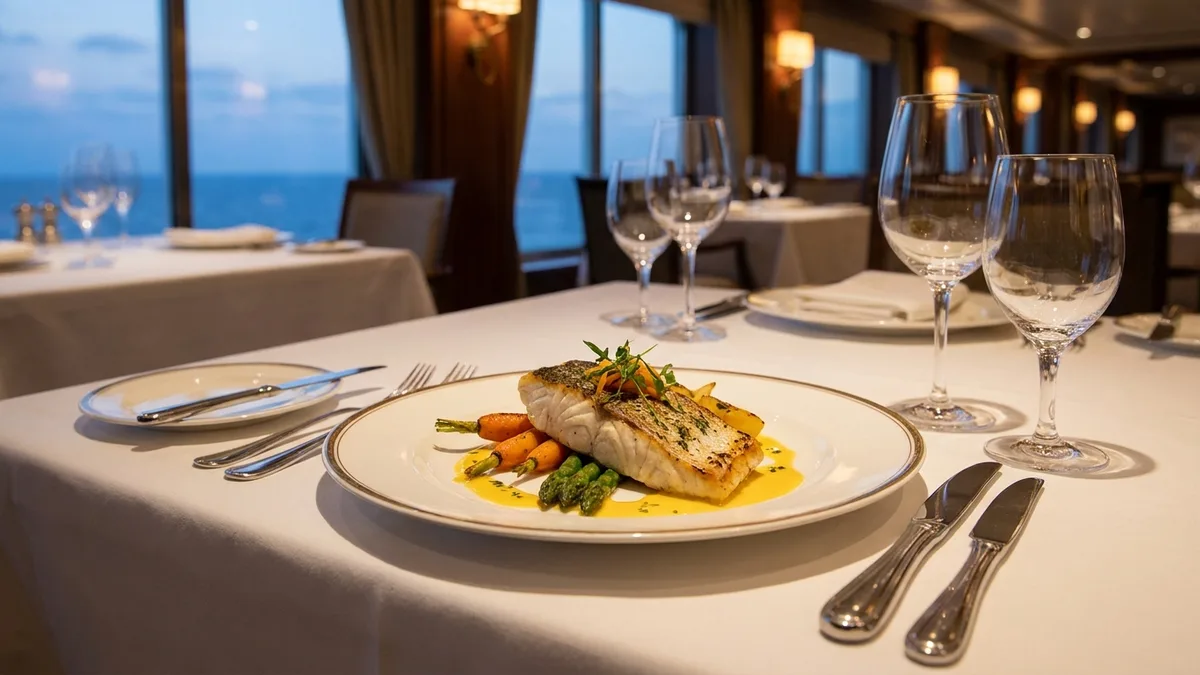
Every major cruise line wants advance notice. Plan to flag your gluten-free or celiac needs when you book, or at least 30 to 60 days before you sail, through the line’s special-dietary-needs form (your travel agent can submit it too). cruise-industry guides recommend this window so the ship can stock enough gluten-free provisions for your sailing.
On embarkation day, head to the main dining room and ask to speak with the maître d’ or head waiter. Review the next day’s menu together; on most ships the galley will prepare gluten-free versions of the following night’s dishes when you order them a day ahead.
Best Cruise Lines for Gluten-Free Travelers
Accommodation varies by line. These six are the ones celiac travelers most often rate well, based on their published programs and traveler reports. Always confirm current offerings when you book — menus and protocols change.
Gluten-free options at every main-dining-room meal, marked with menu symbols, plus a separate allergy-prep area in the galley. Per Royal Caribbean’s dietary FAQ, email special_needs@rccl.com about 45 days out (90 for Europe) and book Traditional Dining for a dedicated serving team.
Carnival rolled out dedicated, rotating gluten-free dinner menus fleet-wide, available on request in the main dining room and the app — no day-ahead order needed, and the desserts go well beyond fruit. A buffet allergy desk can plate safe meals too.
Widely considered the gold standard for allergies. Disney Cruise Line‘s rotational dining means the same servers follow your needs each night, with gluten-free bread, pizza, pasta, pancakes, and Mickey waffles on hand; quick-service spots adapt most items on request.
Labels gluten-free dishes across the main dining room and buffet, often with a dedicated gluten-free buffet station, a dedicated toaster, and food prepared away from cross-contact.
Marks gluten-free items on main and specialty menus and stocks gluten-free bread, bagels, pizza crust, and pasta, with the kitchen able to adapt many dishes on request.
Long praised by celiac travelers for reliable gluten-free dining and knowledgeable main-dining-room staff.
How to Prepare Before You Sail
A little setup before you board is the difference between a relaxed trip and a stressful one.
Before you sail
- Submit the line’s special-dietary-needs form at booking or 30-60 days out.
- Choose set or traditional dining so you get the same trained serving team each night.
- Pack a backup stash of certified gluten-free snacks for travel days and shore trips.
- Research gluten-free options at each port of call in advance.
- Carry a doctor’s note or a restaurant card if you’re sailing internationally.
Eating Safely Onboard
Once you’re aboard, a few habits keep you safe:
- Live in the main dining room — it’s where food is cooked to order with your needs flagged, the safest bet for every dinner.
- Order a day ahead — reviewing tomorrow’s menu with your waiter lets the galley prepare gluten-free versions properly.
- Be cautious with specialty restaurants — they can accommodate you, but give notice and confirm their protocol first.
- Carry snacks ashore — ports may not have safe options, so bring your own for excursions.
The All-Gluten-Free Option: Celiac Cruises
If you’d rather not manage any of this, dedicated gluten-free sailings exist. Celiac Cruise charters trips on lines like Royal Caribbean, Oceania, and AmaWaterways with an entirely gluten-free galley, dedicated fryers, and a fully gluten-free buffet — so the whole ship’s food is safe for the group. They cost more and sail less often, but for highly sensitive travelers they remove the guesswork entirely.
Frequently Asked Questions
The questions I hear most from celiac travelers planning their first cruise. As always, if you have celiac disease, weigh your own sensitivity and check with your care team about how strict to be.
Is cruise food safe for people with celiac disease?
On the major lines, yes — if you eat in the main dining room, notify the line in advance, and avoid the buffet. Cruise kitchens accommodate gluten-free diets routinely and prepare meals to order once they know your needs. The main risk is cross-contamination at the self-serve buffet.
Which cruise line is best for gluten-free travelers?
Disney Cruise Line is often called the gold standard for allergies, and Royal Caribbean, Celebrity, and Princess are consistently well-reviewed too. Carnival and Norwegian accommodate gluten-free diets as well. Honestly, the best line is the one you prepare for properly, since all of them rely on advance notice.
Do I need to tell the cruise line in advance?
Yes. Submit the line’s special-dietary-needs form when you book, or at least 30 to 60 days before sailing (Royal Caribbean asks for about 45 days, more for European itineraries). Advance notice lets the ship stock gluten-free provisions and brief the dining team.
Is there an extra charge for gluten-free meals?
No. Gluten-free options in the main dining room are part of your regular cruise fare on the major lines — there’s no surcharge for eating safely.
Can I eat at the cruise buffet if I have celiac disease?
The buffet is the riskiest place onboard — shared utensils and crumbs make cross-contamination likely. Rely on the main dining room, where food is plated to order. If you must use the buffet, ask staff to prepare a plate from the back, away from the serving line.
What about food during shore excursions?
Don’t count on safe options at every port. Pack certified gluten-free snacks for excursion days, and research gluten-free restaurants near your ports before you travel.
Medically reviewed and last updated 2026-06-02.