

On this page
Changing what’s on your plate is easy. Changing what’s in everyone else’s mindset—that’s the real challenge.
If you’ve recently gone gluten-free, you’ve probably noticed it doesn’t just affect your diet—it changes your whole rhythm of life. Suddenly, family dinners feel different. Grocery trips take longer. Invitations to eat out come with a side of hesitation. Even the people who love you most might not fully understand why this change matters so much.
That’s because food isn’t just food—it’s comfort, culture, and connection. So when you start saying no to gluten, it can feel like you’re also saying no to shared traditions, favorite meals, and old memories. But here’s the truth: going gluten-free doesn’t have to divide your table.
With the right approach, you can help your loved ones understand why this change is so important, and even get them excited to join you. This guide will show you how to build understanding, create unity, and protect your peace—without turning mealtime into a battlefield.
Understanding the Emotional Side of Gluten-Free Living
Going gluten-free doesn’t just change what we eat—it changes how we connect. Food isn’t only about calories or nutrition. It’s comfort, tradition, and often the center of our social lives. That’s why when you make the switch, you’re not just changing your own habits—you’re asking others to adjust how they cook, celebrate, and share time with you.
Practical Steps to Help Loved Ones Embrace Gluten-Free
- Explain your health reasons simply and honestly.
- Invite family to join you on gluten-free grocery runs.
- Cook a gluten-free meal together once a week.
- Share trusted resources like Gluten-Free Food Checker.
- Be patient—change takes time and understanding.
It can catch people off guard. To them, it might feel like their familiar routines—Sunday pancakes, pizza night, Grandma’s rolls—are suddenly off-limits. That sense of loss, even if it’s small, is real. And sometimes, that’s what sparks resistance.
Here’s what might really be going on beneath the surface:
- Denial or doubt: “Do you really need to avoid gluten, or is this just another health trend?”
- Frustration: “Now we can’t cook or eat the way we always have.”
- Guilt or fear: “What if I accidentally make you sick?”
- Confusion: “There’s gluten in that? I had no idea!”
These reactions often have less to do with you and more to do with them—their uncertainty, fear of doing something wrong, or even guilt for not understanding earlier.
Instead of meeting those emotions with frustration, try responding with empathy. A simple “I know this is a big change for everyone” can lower walls immediately. The goal isn’t to make people feel guilty—it’s to help them feel included.
It’s also important to acknowledge your own emotions in the process. The gluten-free journey can bring a mix of relief and sadness. You’re likely grateful to finally feel better, but it can also feel isolating when others don’t fully get it. Give yourself grace during that learning curve.
Ultimately, understanding the emotional side—both yours and theirs—is the foundation for creating lasting peace and support around your gluten-free lifestyle. Once everyone feels heard, the transition becomes much easier for everyone involved.
Lead with Education, Not Elimination
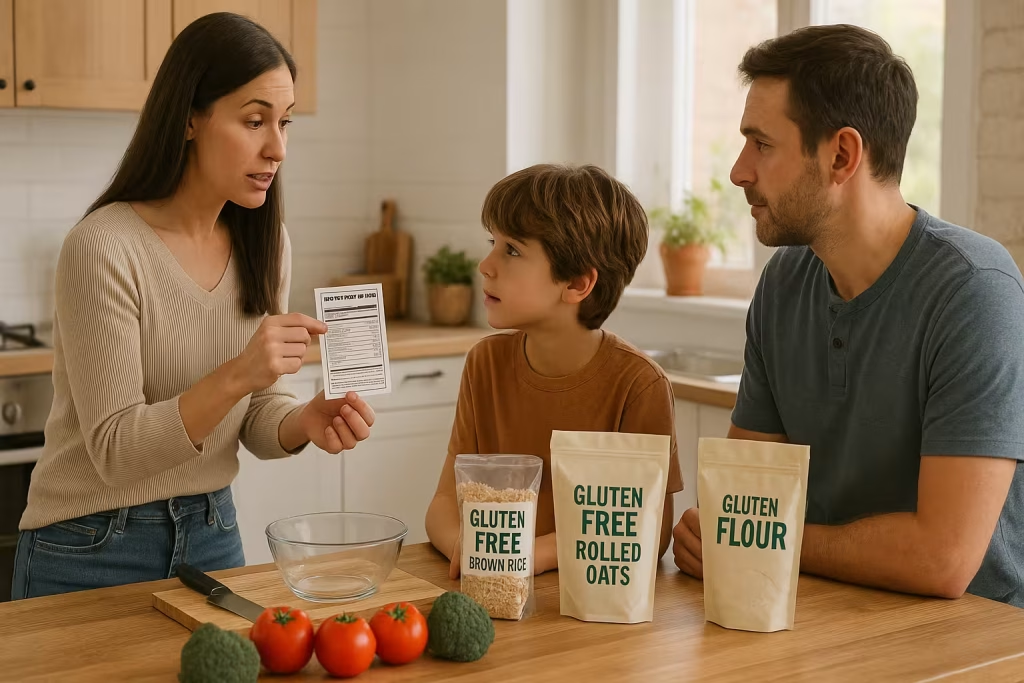
The best way to replace frustration is with understanding. Many conflicts come from simple confusion—most people still don’t know what gluten actually is or how sneaky it can be in everyday foods.
Start by sharing your story in plain language. Explain that gluten is a protein found in wheat, barley, and rye, and that removing it isn’t about being trendy—it’s about feeling healthy and whole again.
Here are a few ways to make education approachable:
- Watch short videos together on what gluten is and how it affects the body.
- Share blog posts or recipes from trusted sites like LetsGoGlutenFree.com that focus on family-friendly meals.
- Cook together—learning by tasting removes fear faster than lectures ever could.
Tip: Host a “gluten-free discovery night.” Try a few gluten-free versions of your favorite family dishes and let everyone taste for themselves. Curiosity often opens doors that arguments can’t.
Learn more about what gluten is and where it hides from the Celiac Disease Foundation
Communication Strategies That Prevent Conflict
Conversations about diet changes can easily turn tense, especially when people feel judged or blamed. The key? Focus on connection, not correction.
Here are a few communication tips that keep the peace:
- Use “I” statements. Say “I’ve noticed I feel better without gluten,” instead of “You shouldn’t eat that.”
- Invite curiosity. “Would you like to try this gluten-free version?” feels welcoming—not demanding.
- Avoid food policing. People learn better through positive experiences than being corrected.
- Show gratitude. Thank your loved ones for any effort they make—it reinforces cooperation.
Example conversation starter:
“I’ve been feeling so much better since cutting out gluten. I’d love to share one of my favorite meals with you this weekend—it might surprise you how good it tastes!”
Common communication mistakes to avoid:
- Turning mealtime into a lecture.
- Reacting defensively to questions.
- Expecting perfection right away.
Small, patient conversations always beat big emotional ones.
Make Gluten-Free Feel Familiar (Not Foreign)
One of the biggest challenges in helping loved ones accept a gluten-free lifestyle isn’t just the idea of change—it’s the fear that everything familiar will disappear. People often imagine gluten-free food as bland, dry, or “different.” The secret? Show them that gluten-free can look, smell, and taste just like home.
Start by easing them in with meals that already feel familiar. Instead of announcing, “We’re doing gluten-free tonight,” just cook something delicious and let them discover it naturally. When the food still feels like your family’s food, you start changing perceptions without needing to say a word.
It’s not about replacing every favorite meal overnight—it’s about introducing small wins that prove gluten-free food can be just as comforting and crave-worthy. You can even make it fun by turning it into a taste test night or letting everyone choose a meal to “recreate” gluten-free.
Here are some easy ways to make that transition smooth:
- Don’t announce it—serve it. Let the food speak for itself.
- Start with meals you already love. Replace one ingredient at a time—no need to overhaul everything.
- Focus on flavor and texture. Use fresh herbs, olive oil, and spices to keep meals vibrant.
- Keep family traditions alive. Find gluten-free versions of your holiday dishes instead of skipping them.
Try This Instead:
| Classic Favorite | Gluten-Free Swap | Taste Tip |
|---|---|---|
| Spaghetti Night | Chickpea or brown rice pasta | Add olive oil & Italian herbs |
| Pancakes | Oat flour or almond flour mix | Add a splash of vanilla extract |
| Sandwiches | Gluten-free sourdough | Toast lightly for crunch |
| Chicken Tenders | Gluten-free breadcrumbs | Bake instead of fry for crispiness |
| Pizza Night | Cauliflower or GF crust | Brush olive oil on edges for texture |
When gluten-free food tastes good, resistance fades. People stop comparing and start enjoying.
And here’s something most don’t expect—you might even inspire others to feel better, too. Once your family sees that gluten-free meals can be hearty, colorful, and delicious, they stop thinking of it as “your thing” and start seeing it as their new normal.
It’s not about perfection; it’s about proving that gluten-free can still be joyful, shared, and full of flavor—the way food is meant to be.
Handling Family Gatherings & Social Events Gracefully
Family gatherings can feel like walking through a gluten minefield—buffets, casseroles, and “just a little flour” moments everywhere. But with some planning and tact, you can stay safe and keep the peace.
Here’s how to handle it gracefully:
- Offer to bring a dish. That way you know there’s at least one safe option.
- Communicate early. Let the host know your needs ahead of time. Most people appreciate the heads-up.
- Don’t make it a big deal. Quiet confidence speaks louder than restriction talk.
- Express gratitude. If someone tries to accommodate you, thank them warmly. It makes future events smoother.
Quick checklist for gluten-free guests:
- Bring your own backup snacks.
- Label your dish if others might try it.
- Keep a sense of humor—it defuses tension fast.
- Focus on connection, not perfection.
Remember: your goal isn’t to control the menu; it’s to protect your health while preserving harmony.
For more ideas on dining out or attending events safely, check out these tips from Beyond Celiac
Building Long-Term Support & Inclusion
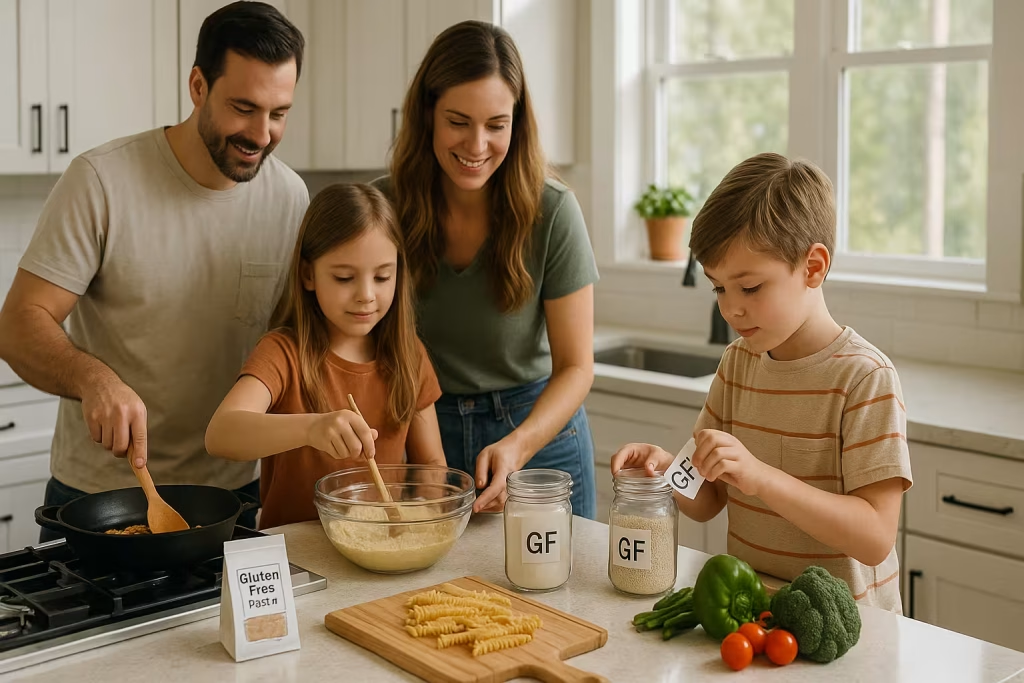
Once the initial adjustments are made, the real goal becomes making gluten-free living feel like a natural part of your home—not a special request. True support isn’t about perfection; it’s about consistency, understanding, and shared effort.
The best way to build that kind of lasting support is to involve your loved ones in the journey. When people feel like participants instead of bystanders, they begin to take ownership of the lifestyle right alongside you.
Here are a few ways to make gluten-free inclusion part of everyday life:
- Plan family cooking nights. Rotate who picks the recipe each week. It’s a great way to explore new dishes together and break the idea that gluten-free means “limited.”
- Create shared grocery lists. Highlight your favorite go-to gluten-free staples—things like tamari instead of soy sauce, gluten-free pasta, or trusted baking mixes.
- Label shelves or containers. A simple “GF” sticker system keeps your kitchen organized and stress-free.
- Teach through experience. Let your kids or partner handle meal prep or read ingredient labels with you. The more involved they are, the faster they learn what’s safe and what’s not.
- Celebrate small wins. When your spouse remembers your favorite gluten-free brand or your kids remind you to pack a GF snack—acknowledge it! Positive reinforcement builds momentum.
In time, these small routines reshape how your household thinks about food. Gluten-free becomes second nature, not a burden.
And here’s the beautiful part: as your family learns and adapts, they start to advocate for you. You’ll hear your spouse asking if something has gluten before buying it, or your kids proudly telling friends, “We eat gluten-free at home.” That’s when you know you’ve done more than just change a menu—you’ve changed a mindset.
Building long-term support isn’t about rules; it’s about relationships. When your loved ones feel included, respected, and appreciated, the gluten-free lifestyle becomes a shared expression of care—not just a personal necessity.
When to Let Go (and Lead by Example)
Here’s a hard truth: not everyone will fully understand or agree with your gluten-free choices. Some people may joke, question, or minimize your needs. That’s okay.
You can’t control others’ reactions—but you can control how you respond. Stay calm, consistent, and kind. As people watch you thrive—more energy, better mood, fewer health issues—they’ll notice.
The goal isn’t to win arguments. It’s to quietly model what a gluten-free, healthy life looks like. When people see genuine transformation, they stop resisting and start respecting.
“Consistency changes more minds than confrontation ever will.”
Turning Resistance Into Understanding
Most resistance doesn’t come from stubbornness—it comes from fear. Fear of change, fear of losing traditions, or even fear of being judged for not “getting it right.” When you suddenly go gluten-free, the people around you may worry they’ll mess up, disappoint you, or never be able to cook for you again.
That’s why the key to turning resistance into understanding is grace. People rarely respond well to guilt or correction, but they do respond to kindness, consistency, and real-life results. When they see you thriving—more energy, better mood, fewer health issues—it slowly breaks down their doubts.
You don’t have to convince anyone with facts alone. You can show them with your life. Each shared meal, calm explanation, or gentle boundary teaches them that gluten-free isn’t about being “different”—it’s about being intentional.
Here are a few mindset shifts that can make all the difference:
| Old Thinking | New Understanding | Why It Helps |
|---|---|---|
| “Gluten-free is too hard.” | “It’s different, but manageable.” | Shows that small adjustments lead to big rewards. |
| “We can’t eat the same meals anymore.” | “We can enjoy new versions together.” | Focuses on inclusion and shared experience. |
| “You’re just being picky.” | “This makes you feel better and healthier.” | Builds empathy instead of judgment. |
| “It’s just a phase.” | “This is part of your long-term health.” | Reinforces respect and seriousness. |
You’ll find that once resistance softens, curiosity usually takes its place. A loved one might start asking, “What kind of flour did you use in this?” or “Can I try that recipe?” Those small questions are big signs of progress.
The most powerful bridge between resistance and understanding is relationship. Keep showing love, keep inviting others in, and keep leading with joy. Over time, those who once doubted you may become your biggest supporters—and maybe even go gluten-free themselves.
Conclusion: Leading by Example—Not Argument
Changing hearts always takes more time than changing habits—but it’s worth every patient step.
Every small act of kindness, every shared meal, and every calm conversation helps shape how your loved ones see gluten-free living. You may not realize it now, but your consistency is quietly teaching the people around you. They’re watching how you handle challenges, how you find creative solutions, and how you stay joyful through it all.
You don’t need to argue or convince anyone—you just need to live it. Over time, your energy, health, and happiness will speak louder than any explanation ever could. It’s often those silent moments—like your family noticing how much better you feel, or a friend asking for your favorite gluten-free recipe—that show your influence is spreading.
So keep focusing on progress, not perfection. Celebrate the little victories—the first gluten-free family dinner, the day someone remembers to check a label, the shared laughter around a meal everyone can enjoy. These moments build the foundation for lasting change.
Your journey isn’t just about eating differently; it’s about living intentionally. When you lead with grace and gratitude, others can’t help but notice. And one day, you’ll look back and realize that what once felt like resistance has transformed into genuine understanding and support.
Final Thought:
Love, patience, and example will always open doors that arguments never could.
Common Questions About Transitioning Loved Ones to Gluten-Free
Making the shift to a gluten-free lifestyle doesn’t just change how you eat—it changes how you live with others. These are some of the most common questions families ask when learning how to support someone on their gluten-free journey.
Q: How do I help my kids understand gluten-free living?
Explain it in simple terms: “Gluten makes my body feel sick, so I eat food that helps me feel strong.” Let them help cook or choose recipes—it gives them ownership and pride instead of resistance.
Q: What’s the best way to explain gluten intolerance to family?
Stay factual but personal. Share your symptoms, your diagnosis (if applicable), and how much better you’ve felt since changing your diet. People connect with stories, not just science.
Q: How can I avoid conflict when eating out?
Research gluten-free restaurants ahead of time and offer suggestions before others choose. It shows you’re proactive, not demanding—and helps everyone relax knowing there are safe options.
Q: What should I do if someone keeps forgetting or doesn’t take it seriously?
Don’t assume it’s intentional—most people just need reminders and understanding. Stay calm, explain the impact clearly (“Even a small amount can make me sick for days”), and keep your boundaries firm but kind. Over time, repetition and consistency will help them learn.
Q: How do I handle cross-contamination at family gatherings?
Bring your own utensils or label shared items. Politely ask to serve yourself first or set aside a separate portion before gluten-containing dishes are touched. Framing it as a health precaution—not a preference—helps others respect the importance.
Q: How can I get my spouse or partner on board?
Start with empathy, not expectation. Involve them in meal planning, grocery shopping, and trying new foods together. The more invested they feel in the process, the more naturally their support grows.