

On this page
Let’s be honest — weekday dinners can get chaotic. Between work, school, and all the things that fill our days, trying to figure out what’s for dinner (that’s also gluten-free) can feel like one more exhausting decision.
That’s where meal prep steps in to save the week. With a few hours on the weekend, you can stock your fridge and freezer with safe, delicious gluten-free meals that are ready to heat and eat — no panic, no guessing, no cross-contamination.
In this guide, I’ll walk you through everything from building a weekly gluten-free meal plan to mastering batch cooking and freezer organization. You’ll get real examples, freezer-safe recipes, and tips that make your gluten-free lifestyle easier, cheaper, and less stressful.
Grab your containers — it’s time to make your week run smoother!
Why Gluten-Free Meal Prep Matters
When you’re living gluten-free, meal prep is more than just a time-saver — it’s a lifeline. It helps you stay safe, eat healthier, and feel more in control of your week. Without a plan, you’re more likely to reach for convenience foods or takeout that could expose you to hidden gluten.
🛒 What You’ll Need
- Gluten-free grains (rice, quinoa, gluten-free pasta)
- Fresh and frozen vegetables
- Lean proteins (chicken, beans, tofu)
- Gluten-free spices and seasoning blends
- Quality airtight containers for storage
- Freezer-safe bags or containers
- Labels and markers for easy meal identification
Prepping ahead brings back peace of mind and makes daily life smoother — especially when you’re balancing family, work, and busy schedules.
Here’s why meal prep makes such a big difference:
1. Prevent Cross-Contamination
Every gluten-free home cook knows the struggle: crumbs on the counter, a shared toaster, or mystery sauces at a restaurant.
When you meal prep, you control every ingredient and surface. Everything from your cutting board to your containers stays gluten-free, and you don’t have to question whether something’s safe to eat later in the week.
Pro Tip: Use color-coded containers or dedicated labels (like “GF only”) for your meal prep storage to keep things organized and foolproof.
2. Save Time and Money
Think of meal prep as an investment that pays you back every single day.
You’ll spend a few hours once, and then glide through your week without having to cook from scratch each night. Plus, batch cooking reduces waste and helps you buy in bulk — which means more savings.
Quick Wins for Saving Money:
- Buy family-sized packs of meat or produce and cook once for multiple meals.
- Repurpose leftovers into new dishes (like roasted chicken → tacos → soup).
- Keep a running “use it up” list on your fridge to avoid forgotten produce.
3. Stay Consistent with Health Goals
When you plan ahead, you’re far more likely to eat balanced, nourishing meals instead of grabbing processed snacks or gluten-free junk food.
Prepping also helps you manage portion sizes and ensures your meals include enough protein, fiber, and veggies — all key for long-term gut health.
Try prepping in “nutrition sets”:
- Protein: chicken, lentils, eggs
- Carbs: rice, quinoa, potatoes
- Veggies: roasted broccoli, peppers, or spinach
Mix and match these during the week for endless combinations that don’t feel repetitive.
4. Reduce Daily Stress
Imagine walking into your kitchen at 6 PM, opening the fridge, and seeing organized, ready-to-eat gluten-free meals. No panic, no rushing, no wondering what’s safe.
Meal prep takes the pressure off your evenings and lets you enjoy your time with family instead of scrambling at the stove.
“When I prep on Sundays,” I tell people, “I feel like I’ve given my future self a gift. Weeknights are calmer, and our meals are always safe and delicious.”
How to Build a Weekly Gluten-Free Meal Prep Plan
A great meal prep plan starts with structure. Here’s how to make yours easy and repeatable.
Step 1: Start with a Theme or Rotation
Having themed days simplifies planning:
- Monday: Mexican night (tacos, bowls, fajitas)
- Wednesday: Sheet Pan night (chicken, fish, roasted veggies)
- Friday: Pizza or pasta night (using gluten-free bases)
- Sunday: Slow Cooker night (soups, chili, pulled chicken)
Themes reduce decision fatigue and keep your meals interesting.
Step 2: Choose Core Proteins, Grains & Veggies
Plan 2–3 proteins, 2 gluten-free grains, and a few vegetables to mix and match:
- Proteins: chicken thighs, ground turkey, salmon, eggs, lentils
- Grains: rice, quinoa, brown rice pasta
- Veggies: broccoli, peppers, zucchini, carrots, spinach
These staples give you flexibility to build different meals all week.
Step 3: Mix & Match
Repurpose ingredients creatively.
- Roasted chicken → tacos → chicken salad → soup base
- Cooked rice → rice bowls → stir fry → stuffed peppers
- Roasted veggies → omelets → pasta add-ins → wraps
Step 4: Create a Visual Plan
| Day | Lunch | Dinner |
|---|---|---|
| Monday | Chicken quinoa bowls | Taco fajitas |
| Tuesday | Turkey lettuce wraps | Salmon + roasted veggies |
| Wednesday | Rice stir fry | Sheet pan chicken |
| Thursday | Quinoa salad | Pasta bake |
| Friday | Leftovers | GF pizza night |
Tip: Keep a dry-erase meal board on your fridge to stay on track.
Batch Cooking Basics: Save Hours Each Week
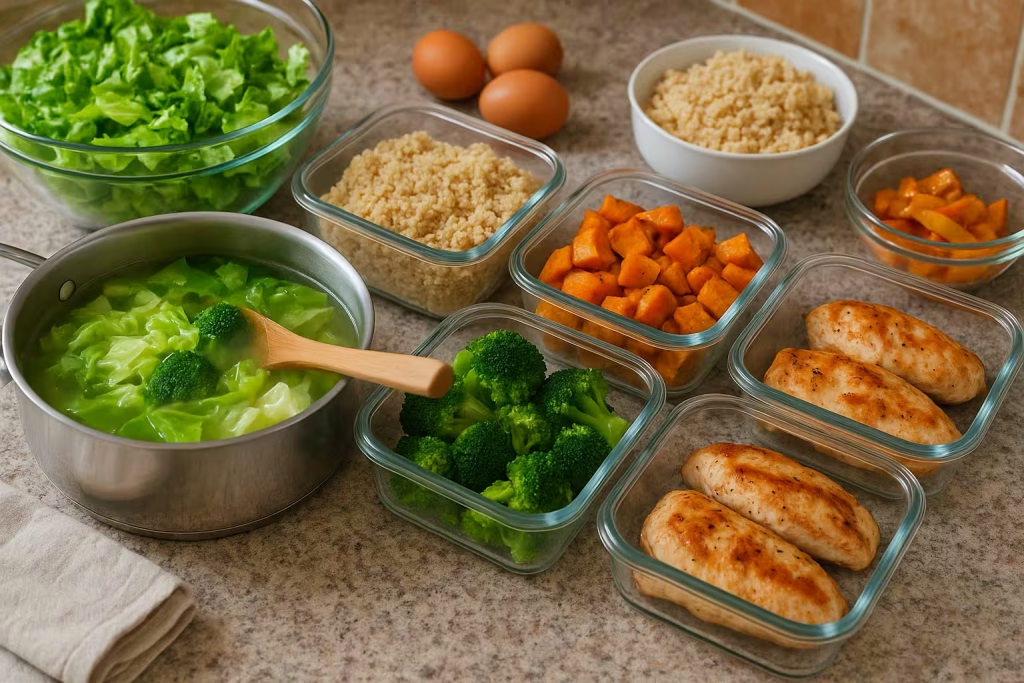
If you’ve ever wished you could cook once and eat all week, batch cooking is about to become your new best friend. It’s one of the easiest ways to stay consistent with gluten-free eating — and it saves you time, money, and sanity.
Instead of starting from scratch every night, you prepare your building blocks ahead of time — like proteins, grains, and veggies — then combine them in different ways for fast, fresh meals all week.
What Is Batch Cooking?
Batch cooking simply means making large portions of food at once, then storing and reusing them for later meals. You might cook two trays of roasted veggies, grill a few pounds of chicken, or make a big pot of chili — and then divide it all into individual containers or freezer bags.
It’s meal prep on autopilot. You cook smarter, not more often.
Best Gluten-Free Foods for Batch Cooking
Certain gluten-free foods hold up beautifully in the fridge or freezer. Here are some of the best options to start with:
| Category | Great Batch Options | Storage Tip |
|---|---|---|
| Proteins | Grilled chicken, ground turkey, lentils, shredded pork | Cool before sealing to avoid moisture buildup |
| Grains & Starches | Rice, quinoa, potatoes, gluten-free pasta | Store plain, then season later to keep fresh |
| Veggies | Roasted broccoli, peppers, zucchini, carrots | Keep separate from sauces until serving |
| Breakfasts | Egg muffins, pancakes, overnight oats | Freeze individually, then reheat as needed |
| One-Pot Meals | Chili, soups, casseroles | Freeze in single portions for easy reheating |
Pro Tip: Stick to neutral seasonings (like salt, garlic, olive oil) during your batch cook. You can add sauces or spices later to keep meals interesting and avoid flavor fatigue.
Tools That Make Batch Cooking Easier
You don’t need fancy gadgets to batch cook — just a few reliable kitchen tools that make the process smooth and efficient.
My go-to tools:
- Instant Pot or Slow Cooker: Perfect for large batches of soups, stews, shredded meats, or beans.
- Sheet Pans: Roast everything — veggies, potatoes, proteins — at once.
- Large Mixing Bowls: Great for tossing big batches of ingredients quickly.
- Glass Meal Prep Containers: Easy to reheat and see what’s inside.
- Silicone Storage Bags: Reusable, space-saving, and freezer-safe.
Add some good music or a podcast, and your kitchen will feel like a mini meal prep station in no time.
A Simple Weekend Batch Cooking Routine
If you’re just getting started, here’s a sample weekend flow that can save you hours during the week:
Saturday: Plan + Shop
- Choose 2 proteins, 1 grain, 1 starch, and 2 veggies.
- Make your grocery list and stick to it.
Sunday: Cook + Portion
- Roast or grill your proteins.
- Cook your grains (rice, quinoa, etc.).
- Roast veggies on sheet pans.
- Cool everything before sealing.
- Portion into containers or freezer bags — label with name and date.
By Sunday night, you’ll have 10–15 meals ready to go — all safe, gluten-free, and stress-free.
Smart Storage Tips
- Always let food cool completely before sealing to avoid soggy textures.
- Label containers with meal name + date + reheating instructions.
- Rotate your fridge and freezer regularly — “first in, first out” keeps meals fresh.
- Keep sauces separate when possible to maintain flavor and texture.
Try this: Keep one “open now” bin in your fridge for meals you’ll eat first and another labeled “freezer backup” for busy weeks. It’s an easy visual system that saves mental energy.
Freezer Tips & Tricks for Gluten-Free Meals
Your freezer can be your best friend when you’re gluten-free. It’s your safety net for busy weeks, unexpected guests, or nights when cooking just isn’t happening.
Freezer-Friendly Gluten-Free Dishes
- Breakfast burritos (with gluten-free tortillas)
- Soups & chilis (perfect for portioning)
- Pasta bakes (with gluten-free noodles)
- Gluten-free pancakes, waffles, and muffins
- Homemade meatballs or turkey burgers
How to Freeze for Maximum Freshness
- Cool food completely before freezing — prevents condensation and freezer burn.
- Portion meals individually for grab-and-go convenience.
- Use airtight, freezer-safe containers or silicone bags.
- Label with meal name + date + reheating instructions.
Smart Defrosting & Reheating
- Thaw overnight in the fridge for best results.
- Avoid microwaving gluten-free bread or pasta — it can dry out.
- Use the oven or skillet to revive texture and flavor.
Tip: Keep a running freezer inventory on your phone or inside a cabinet. It helps you rotate meals and plan next week’s menu without digging through bags.
Sample 7-Day Gluten-Free Meal Prep Plan
Here’s a simple, flexible week you can adjust based on your family’s favorites.
| Day | Breakfast | Lunch | Dinner |
|---|---|---|---|
| Mon | Overnight oats with chia | Chicken power bowl | Taco bowls |
| Tue | Smoothie packs | Quinoa salad | Stir fry |
| Wed | Muffins + eggs | Turkey chili | Sheet pan salmon |
| Thu | Breakfast burrito | Leftovers | Zucchini lasagna |
| Fri | Yogurt parfait | Rice bowls | Chicken fajitas |
| Sat | Pancakes | Soup | GF pizza night |
| Sun | Omelet cups | Snack boxes | Prep for week |
You can prepare many of these on Sunday:
- Grill chicken and chop veggies.
- Cook quinoa or rice.
- Make breakfast burritos or muffins to freeze.
- Assemble smoothie packs in zip-top bags.
Consistency makes all the difference — even prepping 2–3 meals ahead gives you a huge advantage.
Gluten-Free Snack & Grab-and-Go Ideas
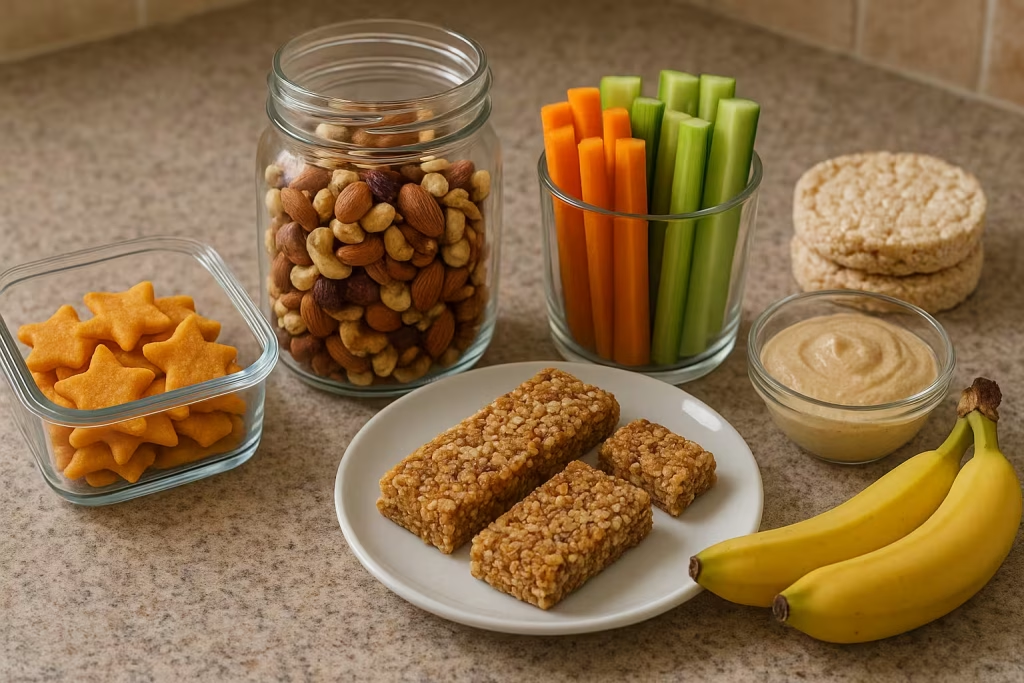
Snacks are one of the biggest struggles for anyone living gluten-free — especially when hunger strikes between meals or you’re out and about. It’s easy to get caught off guard and end up with nothing safe to eat. That’s why snack prep is just as important as meal prep.
Having a stash of gluten-free, ready-to-go options means fewer temptations, fewer mistakes, and way more confidence.
Why Snack Prep Matters
Prepping snacks in advance helps you:
- Avoid cross-contamination from shared snack bins or lunchboxes.
- Keep portion sizes under control.
- Make healthy, satisfying choices — instead of reaching for processed gluten-free junk food.
Think of snacks as “mini meals.” Each one should give you a little protein, healthy fat, or fiber to keep you full and energized.
Make-Ahead Gluten-Free Snack Ideas
Here are some of my favorite easy-to-prep, family-friendly options that keep well in the fridge, pantry, or freezer:
| Type | Snack Idea | Storage Tip |
|---|---|---|
| Protein-Packed | Hard-boiled eggs, turkey roll-ups, roasted chickpeas | Keep in fridge up to 4 days |
| Energy Boosters | Energy bites, protein balls, or trail mix | Store in airtight containers or freezer bags |
| Fruits & Veggies | Apple slices with almond butter, carrot sticks with hummus | Pre-portion into small jars or cups |
| Crunchy Snacks | Gluten-free crackers, rice cakes, popcorn, roasted nuts | Store in pantry for quick grab-and-go |
| Sweet Treats | Homemade GF muffins, dark chocolate squares, yogurt parfaits | Freeze muffins and thaw overnight |
Smart Snack Prep Tips
A little organization goes a long way when it comes to snack prep. Here’s how to make it effortless:
1. Create a “Snack Zone” in Your Kitchen
Designate one shelf or bin for gluten-free snacks. Label it clearly so everyone in the family knows what’s safe.
2. Use Reusable Containers
Small mason jars, snack-size silicone bags, or divided bento boxes are perfect for portioning. They also help cut down on plastic waste.
3. Prep Once, Snack All Week
Spend 15 minutes on Sunday washing fruit, slicing veggies, and dividing snacks into individual containers. You’ll thank yourself every afternoon.
4. Mix It Up to Prevent Boredom
Rotate a few new snack options each week — like switching between roasted chickpeas, hummus cups, and trail mix — so it always feels fresh.
Family-Friendly Tip
If you have kids, keep a labeled “GF snacks only” bin at their eye level in the pantry or fridge. It makes independence easy and keeps cross-contamination risks low — especially if other family members still eat gluten.
Quick Grab-and-Go Combos
When you need something fast before heading out the door, try these balanced pairs:
- Apple slices + peanut butter
- Hard-boiled egg + grapes
- Rice cakes + turkey slices
- Greek-style dairy-free yogurt + gluten-free granola
- Protein ball + banana
They’re quick, filling, and guaranteed safe.
Katie’s Tip: “Every Sunday, I pack a few containers of snacks for myself and my kids. It saves us from impulse eating and keeps everyone happy — even during the 3 p.m. ‘I’m starving’ meltdown.”
Common Mistakes to Avoid
Even the most experienced gluten-free home cooks slip up sometimes — especially when life gets busy. The good news? Most meal prep mistakes are easy to fix once you know what to look out for.
Here are some of the most common gluten-free meal prep pitfalls and how to avoid them so your food stays fresh, flavorful, and safe all week.
1. Freezing Food While It’s Still Warm
When you seal up hot food, steam turns into condensation — and that means soggy textures, freezer burn, and bland reheated meals.
The Fix:
Let food cool completely before freezing. You can spread items on a baking sheet for 10–15 minutes to speed things up. Once cooled, portion and label before freezing.
2. Forgetting to Label Containers
We’ve all been there — mystery meals in the freezer that you swear you’ll recognize later. Spoiler: you won’t.
The Fix:
Always label with:
- Meal name (e.g., “Chicken Fajita Bowl”)
- Date cooked
- Reheat instructions if needed
Use freezer-safe labels or painter’s tape and a permanent marker. It’s simple but makes all the difference.
3. Ignoring Portion Sizes
Batch cooking can make it tempting to fill large containers, but that often leads to uneven reheating and food waste.
The Fix:
Portion meals into single or family-size servings before storing. Stackable glass containers or silicone freezer bags make organization easy — and you’ll always know how much is left.
4. Using Sauces or Dressings with Hidden Gluten
Many condiments and sauces contain hidden gluten (like soy sauce, malt vinegar, or modified food starch). Even a small amount can ruin an otherwise safe meal.
The Fix:
Double-check every label — even on brands you’ve used before. Look for “certified gluten-free” seals, or make your own simple sauces using olive oil, lemon juice, herbs, and tamari instead of soy sauce.
5. Not Rotating Your Freezer Meals
Out of sight, out of mind — until you find a container buried in the back from six months ago.
The Fix:
Use the “first in, first out” rule. When you add new meals to the freezer, move older ones to the front. Keep a small whiteboard or freezer inventory list so you always know what’s inside.
6. Skipping a Weekly Reset
Even the best-prepped kitchen can get cluttered after a few weeks of meal prep. Without a quick cleanup, containers pile up and old food gets forgotten.
The Fix:
Set aside 10 minutes each weekend to clean out your fridge, wipe down shelves, and toss anything past its prime. This small routine keeps your system running smoothly.
Tip: “I used to think meal prep was all about cooking — but honestly, labeling, rotating, and resetting are what make it work week after week. Organization is everything.”
Helpful Tools & Resources
Gluten-Free Tools from LetsGoGlutenFree.com
- Gluten-Free Meal Planner
→ Instantly create meal plans for an entire week. - Gluten-Free Checker Tool
→ Quickly check if a food or ingredient is safe.
Trusted External Resources
- Celiac Disease Foundation – Meal Planning Guide
- Beyond Celiac – Safe Ingredient List
- Minimalist Baker – Gluten-Free Freezer Meals
- MyFreezerMeal.com – Freezer Label Templates
These tools make it easier to plan confidently and cook safely week after week.
Conclusion: Simplify Your Gluten-Free Life with Smart Prep
If gluten-free living ever feels like a juggling act, you’re not alone. Between label reading, meal planning, and trying to avoid cross-contamination, it can all feel like a full-time job. But here’s the good news — meal prep changes everything.
With a few hours of focused effort each week, you can create calm out of chaos. Suddenly, your fridge becomes a source of confidence instead of confusion. You’ll have healthy, gluten-free meals waiting for you, and those last-minute “what’s for dinner?” moments disappear completely.
And remember, this isn’t about perfection — it’s about progress. Maybe this week you prep just your breakfasts, or double one dinner recipe to freeze for later. Small wins add up quickly.
“Meal prep is my secret weapon for staying sane during busy weeks,” I always tell friends. “It’s the best way to protect your gluten-free lifestyle and get your time back.”
When your food is ready, your mind is free. You can spend your evenings actually enjoying your family, not rushing to cook. You’ll eat better, waste less, and feel good knowing every bite is safe.
So grab your containers, queue up your favorite playlist, and start small — because with a little planning, gluten-free living doesn’t have to be stressful. It can be simple, delicious, and completely doable.
Ready to start? Try using our Gluten-Free Recipe Generator or download a printable meal prep planner to make your first week easier.
Your future self — and your stomach — will thank you.!