
If you’ve gone gluten-free and felt even a little better, the next question hits fast: Can I actually heal this… or am I gluten-sensitive for life?
It’s a question that keeps a lot of people stuck. Some say gluten sensitivity is permanent. Others claim you can “heal your gut” and go back to normal. Meanwhile, your symptoms — bloating, brain fog, headaches, fatigue — don’t always behave the same way every time. That alone makes the whole topic feel like a mystery.
Part of the confusion is that gluten sensitivity isn’t as straightforward as celiac disease or a wheat allergy. It shows up differently in every person, there’s no official test, and the root cause isn’t always gluten itself. Sometimes the real issue is inflammation. Sometimes it’s stress. Sometimes it’s a gut that’s just worn down and needs a break.
So the big question becomes: Is your sensitivity a long-term condition or a temporary signal from your gut? That’s what we’re going to unpack — with clear answers, practical steps, and a simple way to understand what your body is trying to tell you.
What Exactly Is Gluten Sensitivity?
Gluten sensitivity — also called non-celiac gluten sensitivity (NCGS) — is when your body reacts to gluten even though you don’t have celiac disease or a wheat allergy. It’s the “in-between” category that millions of people fall into, and it’s one of the big reasons gluten confusion is so common.
Your Gluten Sensitivity Action Checklist
- Start a food and symptom diary to identify triggers.
- Strictly avoid gluten-containing foods for at least 4–6 weeks.
- Incorporate gut-healing foods like bone broth, fermented veggies, and fiber.
- Manage stress through mindfulness, gentle exercise, or rest.
- Consult your healthcare provider if symptoms persist or worsen.
- Gradually reintroduce gluten under guidance to test tolerance.
What makes gluten sensitivity tricky is that symptoms can look different from person to person. Some people feel it mainly in their gut. Others feel it in their brain, energy levels, or mood. And because there’s no single test for it, the diagnosis usually comes through patterns and elimination.
Common symptoms people experience:
- Digestive issues: bloating, gas, cramps, constipation, diarrhea
- Neurological issues: headaches, brain fog, trouble concentrating
- Energy changes: fatigue, sluggishness
- Skin reactions: rashes, acne flares, eczema-like irritation
- Mood shifts: anxiety, irritability, feeling “off”
How gluten sensitivity differs from other conditions:
- Celiac disease: Autoimmune and permanent — gluten damages the small intestine.
- Wheat allergy: Immediate allergic reaction triggered by the immune system.
- FODMAP intolerance: Often reacts to carbs in wheat rather than gluten itself.
- Gut dysbiosis: An imbalanced microbiome that becomes reactive to multiple foods.
In short, gluten sensitivity is real — but it behaves more like a response to an underlying imbalance than a lifelong condition carved in stone.
The Root Causes: Why Gluten Sensitivity Happens
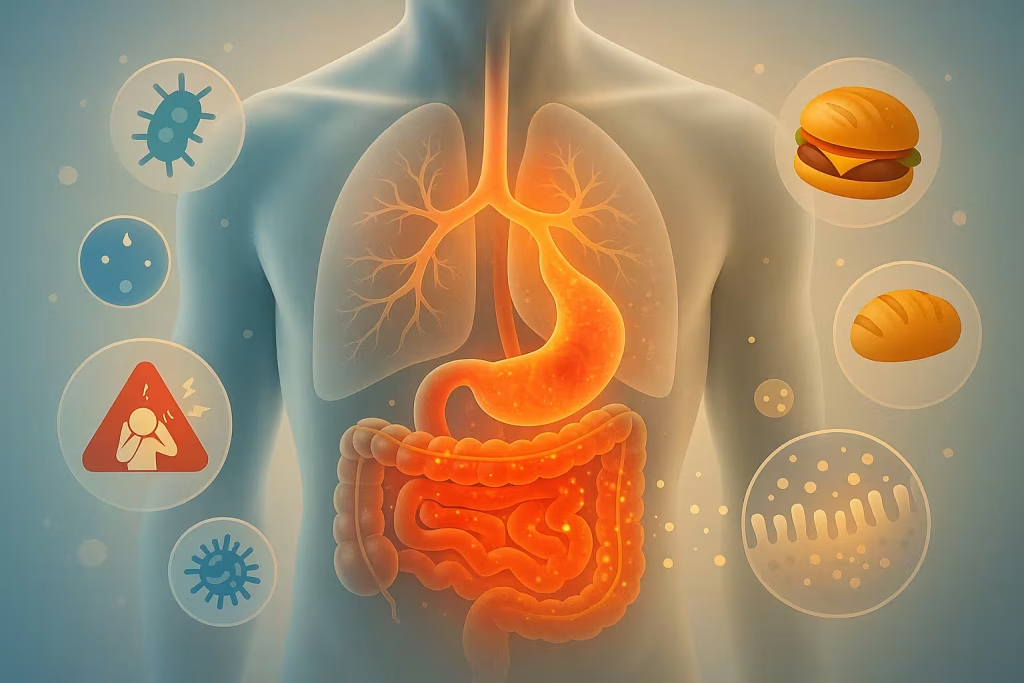
Most people assume gluten sensitivity is a standalone condition… but in most cases, it’s actually a symptom of something deeper going on in the gut. Your body isn’t just randomly angry at gluten — it’s reacting because the system that’s supposed to handle food smoothly is stressed, inflamed, or out of balance.
Think of gluten sensitivity as your gut sending you a warning light, not a final diagnosis.
The most common underlying causes include:
- Gut dysbiosis: An imbalance of good vs. bad bacteria that affects digestion and immune signaling.
- Leaky gut (increased intestinal permeability): When the gut lining weakens, food particles irritate the immune system.
- Chronic inflammation: Often triggered by stress, processed foods, and poor sleep.
- Post-antibiotic disruption: Antibiotics wipe out bacteria — good and bad — making the gut more reactive.
- FODMAP intolerance: Some people react more to the fermentable carbs in wheat than the gluten itself.
- Autoimmune tendencies: A body already on high alert reacts more strongly to triggers.
- Infections or past GI issues: Parasites, food poisoning, or H. pylori can create long-term sensitivity.
Why gluten specifically becomes a problem:
- It’s naturally harder to digest.
- It can aggravate an already irritated gut lining.
- It contains proteins that trigger immune activation in sensitive people.
- It’s often paired with modern wheat, preservatives, and processed ingredients that add extra stress.
The takeaway: Gluten sensitivity usually develops because the gut is overwhelmed — not because gluten alone “broke” something.
And that’s actually encouraging, because it means many people can improve or even reverse symptoms by supporting the root cause.
Can Gluten Sensitivity Be Healed? What the Science Shows
Here’s the part most people really want to know: Is gluten sensitivity permanent, or can the body bounce back?
The encouraging truth is this — unlike celiac disease, which is lifelong, gluten sensitivity is often flexible. It can improve, lessen, or even disappear once the gut is given time and support to heal. That’s why two people with the same symptoms can have very different long-term outcomes.
Research shows that when inflammation drops, the microbiome balances out, and the gut lining becomes stronger, many people tolerate small or moderate amounts of gluten again. Others don’t return to full tolerance but can handle accidental exposures without major symptoms. And a smaller group remains sensitive long-term due to deeper gut issues or genetic tendencies.
What determines whether your sensitivity can heal?
- How long you’ve had symptoms: The longer the irritation, the longer the recovery.
- Your gut health: Dysbiosis and leaky gut make gluten reactions more likely — and also more reversible.
- Level of inflammation: Diet, stress, sleep, and lifestyle all influence this.
- Autoimmune activity: Even mild autoimmune tendencies can make gluten harder to reintroduce.
- Stress load: Chronic stress makes the gut more reactive and slows healing.
- Quality of your gluten-free diet: Whole foods heal far faster than a processed GF diet.
What the science and real-world experience agree on:
- The gut has the ability to regenerate.
- Gluten sensitivity is not always a fixed condition.
- Healing depends more on the terrain of the gut than the gluten itself.
- Changes can happen in weeks for some, months for others.
So, can gluten sensitivity be healed? For many people — yes. For others, it can be reduced or managed. And for some, it stays long-term.
The key is understanding the signs your body is giving you, which we’ll break down next.
Signs Your Gluten Sensitivity May Be Temporary

Not all gluten sensitivity behaves the same way. Some people cut out gluten for a few weeks and suddenly feel amazing. Others notice that their symptoms only show up during stressful seasons or flare after a stomach bug. These patterns tell you a lot about whether your sensitivity is something your gut can bounce back from.
Instead of looking at gluten itself, pay attention to how your body responds in different situations. Temporary sensitivity usually behaves in flexible, inconsistent, or stress-dependent ways.
Here are the most encouraging signs:
1. Your symptoms improve quickly after removing gluten.
If you feel noticeably better within 7–14 days, it often means inflammation — not permanent intolerance — was the main issue.
2. You can handle tiny exposures without a major crash.
Cross-contact at restaurants, crumbs, or accidental bites don’t send you into a spiral. This usually means the immune response is milder and more likely to fade.
3. Stress makes symptoms worse, even without gluten.
If bad sleep, anxiety, or busy seasons increase bloating or brain fog, your gut may be reacting to stress, not gluten alone.
4. You react to several foods—not just wheat.
Multiple triggers often point to gut dysbiosis or leaky gut, both of which are very repairable.
5. You tolerate certain types of wheat better.
If you do fine with any of these:
- real sourdough
- sprouted grains
- einkorn or ancient wheat
- small bites of homemade baked goods
…it often means digestion (not the gluten protein) is the real issue.
6. Your symptoms are mostly digestive and not neurological.
Brain fog and migraines can happen with gluten, but digestive-only symptoms usually resolve faster.
When gluten sensitivity is temporary, it tends to be softer, more flexible, and tied to gut health, not a permanent immune response.
Signs Your Gluten Sensitivity Might Be Long-Term
For some people, gluten sensitivity fades as the gut heals. But for others, the reaction sticks around — even after making big changes to diet, lifestyle, and stress. When gluten sensitivity behaves like this, it’s often a sign that your immune system sees gluten as a more serious trigger, not just an occasional irritant.
A long-term sensitivity doesn’t mean you’ll never improve — but it does mean your body may need deeper or more prolonged healing.
Common signs that your sensitivity may be long-term:
- Strong or immediate reactions to even tiny amounts of gluten, including cross-contact.
- Minimal improvement after gut-healing steps like probiotics, whole foods, and reducing inflammatory triggers.
- Family history of autoimmune conditions (Hashimoto’s, rheumatoid arthritis, type 1 diabetes, psoriasis, etc.).
- Symptoms triggered only by gluten, not multiple foods — showing a more targeted immune response.
- Neurological symptoms such as migraines, brain fog, dizziness, or nerve-related issues.
- Long-standing gut issues like IBS, chronic reflux, or ongoing digestive discomfort.
- History of repeated antibiotic use or major gut infections, which can create deeper, long-lasting microbiome disruption.
These signs don’t guarantee that tolerance can’t return — but they do suggest your system needs more time, more consistency, and possibly a different approach to rebalancing your gut before reintroducing gluten.
How to Support Gut Healing (Whether Sensitivity Is Temporary or Not)

If gluten sensitivity is showing up in your life, the most important question becomes: How do I help my gut heal? The good news is that gut repair doesn’t require extreme diets or complicated routines. It comes down to consistent, simple habits that lower inflammation, rebuild the gut lining, and support a healthier microbiome.
To make this practical, here’s a clear framework that works for most people:
A. Start With Food That Calms Inflammation
Your gut heals fastest when irritation goes down. These changes alone can make a noticeable difference in 1–4 weeks.
Focus on:
- Fresh fruits and vegetables (aim for 20–30 varieties per week)
- Lean proteins and healthy fats
- Gluten-free whole grains (quinoa, millet, buckwheat, rice)
- Fermented foods (sauerkraut, kimchi, kombucha, coconut yogurt)
- Bone broth or collagen-rich foods
Reduce or avoid:
- Seed oils
- Processed gluten-free snacks
- Excess sugar
- Alcohol
- Heavy, fried, or fast foods
B. Strengthen the Gut Lining
Many people with gluten sensitivity also have increased intestinal permeability (“leaky gut”). Strengthening the gut lining can reduce reactions significantly.
Helpful supports include:
- L-glutamine
- Zinc carnosine
- Aloe vera juice (small doses)
- Omega-3s
- Collagen or bone broth
(Always check with a practitioner when starting supplements.)
C. Rebalance the Microbiome
A diverse, balanced microbiome makes the gut less reactive overall.
Simple ways to improve your gut bacteria:
- Probiotic-rich foods
- Daily prebiotic fibers (bananas, asparagus, garlic, apples)
- Rotating your produce instead of eating the same 5 foods
- Cutting back on artificial sweeteners
- Reducing stress (your microbiome reacts to it instantly)
D. Lifestyle Habits That Make a Big Difference
Gut health isn’t only about food — your daily routines play a massive role in how reactive your gut becomes.
Key habits:
- Sleep: Aim for 7–9 hours
- Movement: Walk daily; add strength training 2–3 times per week
- Stress reduction: Deep breathing, prayer, stretching, journaling
- Hydration: Especially important for digestion and inflammation levels
Even small improvements in these areas can make gluten reactions less intense over time.
E. Give Your Gut Time & Consistency
This is the part most people overlook.
Gut healing isn’t instant — especially if you’ve had symptoms for years. Most people notice real change in:
- 2–4 weeks: digesting better, less bloating
- 6–12 weeks: stronger gut lining, fewer flares
- 3–6 months: improved tolerance or more reliable symptom patterns
Consistency beats perfection. What you do most of the time matters far more than what you do once in a while.
When (and How) to Reintroduce Gluten Safely
Once your gut starts feeling stronger, the big question becomes: Can I try gluten again — and how do I know if it’s safe?
Reintroducing gluten isn’t something to rush. But when done intentionally, it can give you valuable information about whether your sensitivity is temporary, improving, or more long-term. Think of it as a controlled experiment, not a “cheat day.”
Before you start, make sure you meet these conditions:
You should NOT reintroduce gluten if:
- You’ve been diagnosed with celiac disease
- You have a wheat allergy
- Gluten triggers neurological symptoms (migraines, dizziness, nerve pain)
- You experience severe reactions from tiny exposures
- Your provider has advised against it
If any of these apply, staying gluten-free long-term is the safest choice.
A Better Way to Test Gluten: The Slow Reintroduction Method
Instead of jumping back into pizza or wheat pasta, reintroduce gluten in the gentlest, most digestible form possible. This helps you learn what your body can handle without overwhelming it.
Step-by-step testing protocol:
- Choose a calm, low-stress week to test.
Stress alone can create gut symptoms, which makes results unreliable. - Start with the easiest-to-digest gluten foods.
Begin with:- real sourdough
- sprouted wheat
- einkorn or ancient grains
- Begin with a small serving.
Half a slice of sourdough or 2–3 bites of an ancient grain product is enough. - Eat gluten alone — not with heavy or trigger foods.
Avoid combining it with cheese, fried foods, alcohol, or large meals. - Track your response for 72 hours.
Symptoms can show up late. Watch for:- bloating
- fatigue
- brain fog
- headaches
- joint discomfort
- mood or energy dips
- Repeat the test after a few days if reactions are mild or nonexistent.
Slowly increase the amount, but only if your body seems okay. - Stop immediately if symptoms return strongly — your gut needs more time.
Why this slow method works:
- It avoids overwhelming your system.
- It lets you see patterns, not random flares.
- It reduces false positives caused by stress or heavy meals.
- It helps you identify “how much” gluten your body can handle, not just yes/no.
Some people discover they can tolerate small amounts or fermented grains. Others find they still react but with milder symptoms than before. Both results give you valuable direction for your next steps.
A Sample 2-Week Reintroduction Timeline
Week 1:
- Day 1: ½ slice sourdough
- Day 2–3: track symptoms
- Day 4: 1 slice sourdough
- Day 5–6: track symptoms
- Day 7: rest, no gluten
Week 2:
- Day 1: introduce a small amount of sprouted wheat or einkorn
- Day 2–3: track symptoms
- Day 4: try a slightly larger serving
- Day 5–6: track
- Day 7: rest
This slow and steady approach gives you real answers without sabotaging your gut.
What If Reintroduction Fails? Living Gluten-Free Long Term

If you’ve tried reintroducing gluten and your body still pushes back, it can feel frustrating. But it doesn’t mean something is “wrong” with you — it simply means your gut isn’t ready yet. Some people need more healing time. Others have a deeper sensitivity. And a small percentage do best staying gluten-free for the long haul.
The good news? A gluten-free lifestyle can be healthy, simple, and surprisingly enjoyable once you’ve built a rhythm that works for you and your family.
Here’s how to thrive long-term without feeling restricted:
1. Build a Foolproof Gluten-Free Pantry
Stocking the right basics makes daily cooking easier and reduces stress.
Great staples to keep on hand:
- Gluten-free pastas
- Rice, quinoa, millet, buckwheat
- Almond flour, coconut flour, GF baking mix
- Broths, canned tomatoes, beans
- Coconut aminos, GF soy sauce, clean dressings
- High-quality snacks (seeds, nuts, GF crackers)
A well-stocked pantry eliminates last-minute “there’s nothing to eat” moments.
2. Learn Where Hidden Gluten Lives
Many flares happen because people eat gluten accidentally, not intentionally.
Common hidden sources:
- Salad dressings and marinades
- Soups and canned sauces
- Candy, licorice, and chocolate coatings
- Soy sauce
- “Natural flavors” in packaged foods
- Shared fryers
- Deli meats
- Seasoning blends
Knowing these keeps your diet consistent — and keeps symptoms down.
3. Find Safe-Order Meals at Restaurants
Dining out becomes easy when you know what’s lowest-risk.
Generally safer choices:
- Grilled meat with steamed veggies
- Plain baked potatoes
- Bunless burgers (wrapped in lettuce)
- Rice-based dishes
- Fresh salads with oil + vinegar dressing
- Mexican restaurants using corn tortillas
Avoiding shared fryers and overly sauced foods goes a long way.
4. Plan Simple Weekly Meals
A basic structure makes the lifestyle feel manageable.
Try this formula:
- 2 protein-focused dinners
- 2 bowl-style meals (rice or veggie base)
- 1 soup or chili
- 1 Mexican night (corn tortillas or bowls)
- 1 easy night (GF nuggets, fish, or leftovers)
Predictability reduces decision fatigue.
5. Manage the Emotional Side Too
Living gluten-free is easier when your mindset supports your lifestyle instead of fighting it.
Helpful reminders:
- You’re not missing out — you’re choosing foods that help you feel your best.
- Gluten-free isn’t a limitation; it’s clarity.
- Your body communicates for a reason.
- This lifestyle gets easier with time and practice.
Many people actually enjoy food more once they know what works for their body.
6. Remember: You’re Not Done Healing
Just because reintroduction failed now doesn’t mean it always will.
People often retry after:
- reducing stress
- improving sleep
- supporting digestion
- healing the gut lining more thoroughly
- strengthening their microbiome
Some succeed months later. Others realize they feel so good gluten-free that they don’t need to reintroduce it at all.
Either outcome is a win.
Frequently Asked Questions
Even after going gluten-free, most people still have a handful of questions that don’t get answered clearly anywhere else. These FAQs are designed to clear up the confusion and help you understand what’s actually happening in your body, why symptoms show up the way they do, and what to expect going forward.
Can kids outgrow gluten sensitivity?
Yes — kids often heal faster than adults because their gut lining regenerates more quickly. If their sensitivity is linked to inflammation or a disrupted microbiome, many children see major improvements within months.
Why can I eat sourdough but not regular bread?
Real sourdough is fermented for hours, sometimes days. This process:
– breaks down gluten
– reduces FODMAPs
– lowers the overall “gut load”
– makes the bread easier to digest
It doesn’t mean you tolerate all gluten — just that sourdough is gentler on your system.
Is gluten sensitivity even real?
Yes. Dozens of studies show immune activation, inflammation, and measurable symptoms in people without celiac disease. The problem isn’t whether the condition exists — it’s that there’s no single medical test to diagnose it, which causes confusion.
Why do I react to gluten sometimes but not every time?
Because gluten sensitivity is often dynamic, not fixed. Your reaction changes based on:
– stress levels
– sleep quality
– menstrual cycle
– the health of your microbiome
– what else you ate that day
– how much gluten you consumed
When your gut is inflamed or stressed, symptoms are stronger. When your gut is calm, you may tolerate more.
Can stress alone trigger gluten-like symptoms?
Absolutely. Stress impacts digestion immediately. It slows down stomach acid production, tightens the gut, speeds up or slows down motility, and increases inflammation. Many people mistake stress symptoms for food intolerance.
Does gut healing guarantee I’ll tolerate gluten again?
Not always — but it significantly increases your chances.
For many people, gluten sensitivity improves once the gut lining heals and the microbiome balances out. For others, gluten remains a trigger even after healing, usually due to genetics or deeper immune responses.
How long does it take to know if gluten sensitivity is improving?
Most people see early changes within 2–4 weeks, deeper changes within 6–12 weeks, and a clearer answer about tolerance within 3–6 months.
Why do I feel symptoms outside my gut — like headaches or brain fog?
Gluten can trigger inflammation in the nervous system for some people. This is why symptoms like:
– migraines
– foggy thinking
– anxiety
– fatigue
These can show up even when your stomach feels fine.
Is gluten sensitivity the same as a FODMAP intolerance?
No, though they overlap. FODMAP intolerance is a reaction to certain carbs in wheat, while gluten sensitivity is a reaction to the gluten protein. Some people have both.
If reintroduction fails once, should I try again?
Usually, yes — but not right away. Give your gut more time, focus on lowering inflammation, support digestion, and reduce stress. Many people succeed on a second or third attempt after several months of healing.
Final Thoughts: Your Body’s Story Isn’t Finished Yet
Gluten sensitivity can feel confusing, unpredictable, and sometimes discouraging — but it’s important to remember that your body isn’t locked into one outcome. Many people see major improvements once inflammation drops, the gut lining strengthens, and daily stress levels come under control. Others discover that they feel their best by staying gluten-free long term, and that choice becomes a simple part of their lifestyle rather than a limitation.
Where you fall on that spectrum depends on your story, your gut health, your history, and what your body needs right now. The good news is that you have options. You can support healing, experiment slowly with reintroduction, and make choices that help you feel clear, energized, and comfortable in your own skin.
And if you want help navigating gluten-free living with confidence, be sure to explore our guides, meal ideas, and gluten-free product recommendations as you continue your journey.