
Spring is finally here, and if you’re following a gluten-free lifestyle, there’s no better time to start your own vegetable garden! Growing your own produce isn’t just a rewarding hobby—it’s a game-changer for anyone committed to eating clean, naturally gluten-free foods without worrying about cross-contamination.
Whether you’re new to gardening or just looking for some fresh inspiration, I’ve put together a list of 10 beginner-friendly vegetables that thrive in cool spring weather. These naturally gluten-free veggies are easy to grow, packed with nutrition, and will have you harvesting fresh produce in no time!
Why Grow Your Own Gluten-Free Vegetables?
Before we dig into the vegetable list, let’s talk about why home gardening is such a perfect fit for a gluten-free lifestyle:
Spring Gardening Starter Checklist
- Choose beginner-friendly, gluten-free veggies like lettuce, radishes, and peas.
- Prepare your soil with organic compost for healthy growth.
- Plant seeds in well-draining soil and water consistently.
- Use separate tools and containers to avoid any gluten cross-contact.
- Harvest veggies when they’re fresh and tender for best taste and nutrition.
- Zero cross-contamination risk: When you grow your own food, you control everything from seed to table. No shared processing facilities, no mystery ingredients, no worries.
- Maximum freshness and nutrition: Vegetables start losing nutrients the moment they’re harvested. When you pick them fresh from your garden, you’re getting peak nutrition and flavor.
- Cost savings: Let’s be honest—eating gluten-free can get expensive! A small investment in seeds can yield pounds of fresh produce throughout the season.
- Therapeutic benefits: Gardening is wonderful for your mental health. There’s something incredibly satisfying about nurturing plants and watching them grow.
10 Spring Vegetables Perfect for Your Gluten-Free Garden
1. Lettuce
Lettuce is the ultimate spring crop—it grows fast, tastes amazing fresh, and you can keep planting it every few weeks for a continuous harvest.
Growing tips: – Plant seeds directly in the garden or start indoors 4-6 weeks before your last frost – Loves cool weather and rich, well-drained soil – Use the “cut-and-come-again” method: harvest outer leaves while the center keeps producing – Ready to eat in just 45-60 days!
Nutrition highlight: Low in calories but packed with vitamins A and K, plus folate for healthy cell function.
2. Spinach
This nutrient powerhouse is incredibly cold-hardy and one of the
easiest greens you can grow.
Growing tips: – Seeds can germinate in soil as cold as 35°F—plant 4-6 weeks before last frost – Needs well-drained, nutrient-rich soil – Another “cut-and-come-again” crop for multiple harvests – Thrives in containers if you’re short on space
Nutrition highlight: Loaded with iron, calcium, magnesium, and vitamins A, C, and K. A true superfood for your gluten-free diet!
3. Kale
Kale has earned its superfood status, and it’s surprisingly easy to grow. Plus, a light frost actually makes it taste sweeter!
Growing tips: – Start indoors or direct sow about 4 weeks before last frost – Harvest outer leaves first to encourage continuous production – Very cold-tolerant and can handle spring temperature swings – Give each plant about 12-18 inches of space
Nutrition highlight: Exceptional source of vitamins A, C, and K, plus powerful antioxidants that support overall health.
4. Radishes
If you want quick results, radishes are your best friend! They’re one of the fastest-growing vegetables you can plant.
Growing tips: – Sow directly in the garden about 4 weeks before last frost – Ready to harvest in just 3-4 weeks—perfect for impatient gardeners! – Great for containers (at least 6-8 inches deep) – Plant every 2 weeks for a continuous supply
Nutrition highlight: Good source of vitamin C and contain compounds that may support digestive health.
5. Carrots
There’s nothing quite like the sweet crunch of a freshly pulled carrot from your own garden!
Growing tips: – Direct sow 3-5 weeks before last frost – Need loose, sandy soil for straight roots (try shorter varieties like ‘Paris Market’ if your soil is heavy) – Thin seedlings to 2-3 inches apart for best growth – Be patient—they take 60-80 days to mature
Nutrition highlight: Famous for beta-carotene (vitamin A), which supports eye health and immune function.
6. Peas
Sweet, tender peas are a spring garden classic that kids and adults love equally!
Growing tips: – Plant as soon as soil is workable, 4-6 weeks before final frost – Most varieties need a trellis or support to climb – Harvest regularly to encourage more production – Enjoy them fresh, frozen, or in your favorite gluten-free recipes
Nutrition highlight: Good source of plant-based protein, fiber, and vitamins C and K.
7. Broccoli
Growing broccoli takes a bit more space and patience, but the reward is worth it!
Growing tips: – Start indoors 4-6 weeks before last frost, then transplant – Needs cool weather—plant early for best results – Give each plant 12-18 inches of space – Harvest the main head, then watch for side shoots to develop
Nutrition highlight: Packed with vitamins C and K, plus sulforaphane—a compound studied for its potential health benefits.
8. Swiss Chard
This beautiful vegetable is both ornamental and delicious, with colorful stems and nutritious leaves.
Growing tips: – Direct sow 2-4 weeks before last frost – Loves nutrient-rich soil – Harvest outer leaves continuously throughout the season – Very heat-tolerant, so it bridges spring into summer
Nutrition highlight: Excellent source of vitamins A, C, and K, plus magnesium and potassium.
9. Leeks
Leeks add a mild, sophisticated onion flavor to soups, quiches, and countless gluten-free dishes.
Growing tips: – Often started indoors and transplanted, but can be direct-sown – Need consistent moisture and well-drained soil – Take longer to mature (90-120 days) but are worth the wait – Very cold-hardy
Nutrition highlight: Good source of vitamins A and K, plus beneficial plant compounds.
10. Scallions (Green Onions)
Scallions are incredibly easy for beginners and grow surprisingly fast!
Growing tips: – Plant seeds or “sets” (small bulbs) as soon as soil can be worked – Ready to harvest in just a few weeks – Perfect for containers or small spaces – Use in salads, stir-fries, and as garnishes
Nutrition highlight: Contain vitamins A, C, and K, plus compounds that may support heart health.
Getting Started: Quick Tips for Success
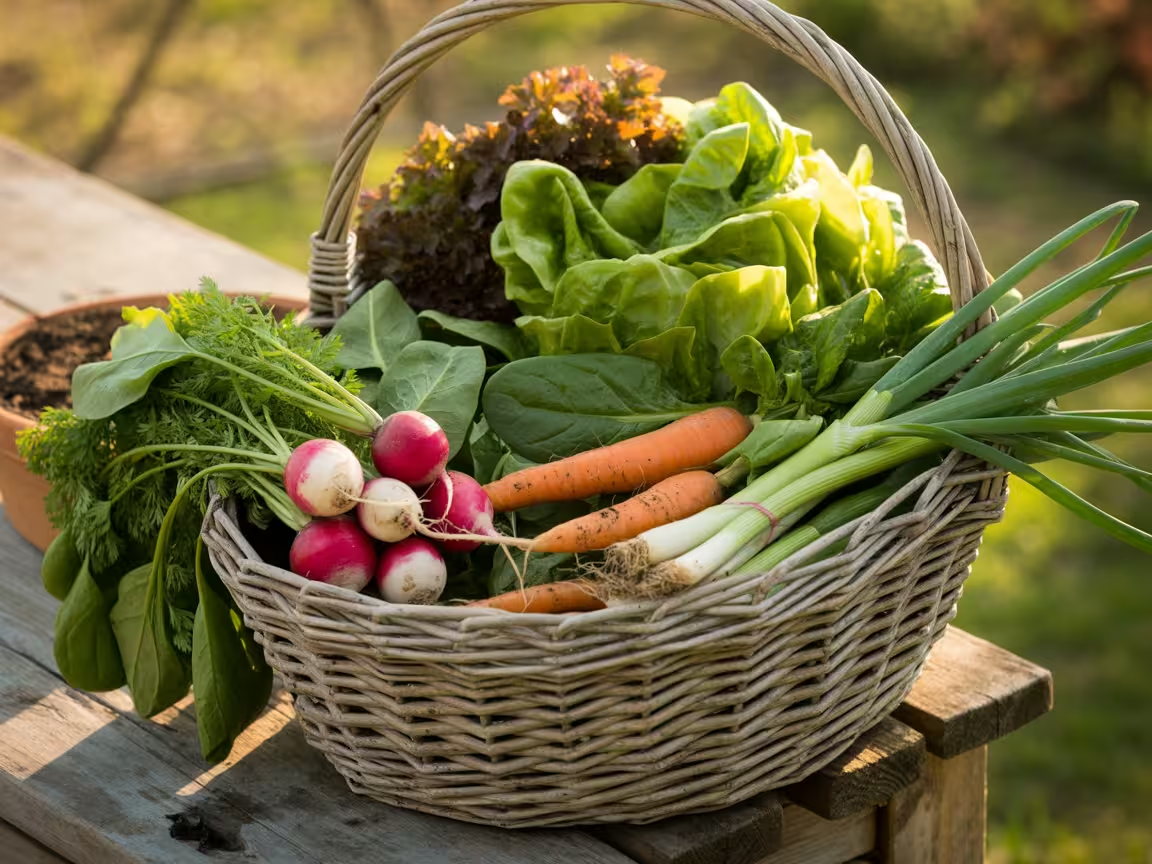
Ready to start your gluten-free spring garden? Here are a few essential tips:
Know your frost dates: Find out your area’s last expected spring frost date—this determines when you can safely plant.
Start small: Don’t overwhelm yourself! Pick 3-4 vegetables to start with and expand as you gain confidence.
Prepare your soil: Most vegetables love rich, well-drained soil. Add compost or organic matter to give your plants the best start.
Water consistently: Spring vegetables need regular moisture, especially as they’re establishing. Water deeply but don’t let soil get waterlogged.
Watch for pests: Keep an eye out for common spring pests like aphids and slugs.
Succession plant: For crops like lettuce, radishes, and spinach, plant new seeds every 2-3 weeks for a continuous harvest.
Frequently Asked Questions
Q: Are all vegetables naturally gluten-free?
A: Yes! All fresh fruits and vegetables are 100% gluten-free in their natural state. The only risk comes from cross-contamination during processing or preparation.
Q: Can I grow these vegetables in containers?
A: Absolutely! Lettuce, spinach, radishes, scallions, and even carrots (shorter varieties) grow beautifully in containers. Just make sure your pots are at least 6-8 inches deep with good drainage.
Q: What if I’ve never gardened before?
A: Start with the easiest crops like lettuce, radishes, and spinach. These are very forgiving and give quick results, which is great for building confidence!
Q: How much space do I need?
A: You can start a productive garden in as little as 4×4 feet! Many of these vegetables can also be grown in containers on a balcony or patio.
Embrace the Growing Season
Starting a spring vegetable garden is one of the best decisions you can make for your gluten-free lifestyle. Not only will you enjoy the freshest, most nutritious produce possible, but you’ll also gain the peace of mind that comes from knowing exactly where your food comes from.
These 10 vegetables are perfect for beginners and will give you a fantastic foundation for years of successful gardening. So grab some seeds, get your hands dirty, and enjoy the incredible satisfaction of growing your own naturally gluten-free food!
Have you tried growing any of these vegetables? I’d love to hear about your gardening experiences in the comments below. And if you’re looking for more gluten-free gardening tips and recipes, be sure to check out our other resources!
Happy planting!
For more information on starting a gluten-free garden, check out these helpful resources: