

On this page
If you’re standing in the kitchen at 7 a.m. with ten minutes before you have to leave, the last thing you want is a gluten-free problem. But that’s exactly what mornings can feel like when you’re new to eating gluten-free — like everyone else just reaches for cereal or toast while you’re stuck trying to figure out what’s actually safe.
If that sounds familiar, you’re not alone. Breakfast is one of the most common pain points for people managing celiac disease or gluten sensitivity, mostly because so many traditional breakfast staples — toast, muffins, pancakes, most cereals, bagels — are completely off the table. The good news is that once you know what you’re working with, gluten-free mornings get genuinely easy. You just need a solid foundation of ideas and a few key things stocked in your kitchen.
That’s what this guide is here to do.
Why Breakfast Is the Hardest Meal When You’re Gluten-Free
Most of us were raised on a short rotation of breakfast foods, and the majority of them involve wheat. Cereal with malt flavoring. Grandma’s pancake recipe. The everything bagel. Even oatmeal — which seems like an obvious safe choice — can be a problem if it’s not certified gluten-free, because conventional oats are almost always cross-contaminated with wheat during processing.
🛒 What You’ll Need
- Certified gluten-free oats or oat flour
- Gluten-free bread or wraps
- Eggs and dairy or dairy-free milk
- Nut butters and fresh fruit
- Gluten-free baking powder and flours (almond, coconut, rice)
- Pre-cooked gluten-free grains like quinoa or rice
- Gluten-free cereal options or granola
The other challenge with breakfast is speed. Dinner has time on its side. Breakfast doesn’t. So when people go gluten-free, they often end up skipping breakfast altogether or eating the same thing every single day until they get bored and give up — and that doesn’t work either.
The solution isn’t to reinvent breakfast from scratch. It’s to build a short list of options you actually like and rotate through them. Here’s what that list can look like.
The 5-Minute Wins: Grab-and-Go Breakfasts
These are your emergency options — the ones you reach for when time has completely run out and you still need to eat something real before you walk out the door.
- Greek yogurt with fruit and GF granola — Check the granola label carefully; most conventional granola contains oats that aren’t certified gluten-free. Nature’s Path and Bob’s Red Mill both make certified GF options. Layer them over full-fat Greek yogurt (naturally gluten-free) and you’ve got protein, probiotics, and something that actually tastes good.
- A banana and nut butter — It’s not fancy, but it works. A banana with a couple spoonfuls of almond or peanut butter (plain varieties are always gluten-free) gives you quick carbs and enough fat and protein to hold you until mid-morning. Keep individual nut butter packets on hand for days when you’re really pressed.
- Hard-boiled eggs — Make a batch on Sunday and you have breakfast for five days. Eggs are naturally gluten-free, require zero morning effort, and pair well with a piece of fruit or a handful of GF crackers.
- A smoothie — If you have a blender and two minutes, a smoothie gets you out the door with real nutrition. Frozen fruit, a handful of spinach, a scoop of protein powder (check for GF certification), and your milk of choice. Done.
- Rice cakes with avocado or nut butter — Plain rice cakes are always gluten-free and surprisingly filling when you top them properly. Mash half an avocado on top with a little sea salt, or spread on some almond butter and sliced banana.
Quick Breakfasts: 15 Minutes or Less
When you have a little more time — maybe it’s a weekend morning or you just got up ten minutes earlier — these are the options that feel like an actual breakfast without a lot of effort.
Eggs, Any Way You Make Them
Eggs are your best friend in a gluten-free kitchen. They’re quick, naturally gluten-free, and endlessly versatile. Scrambled with whatever vegetables you have on hand, fried on top of leftover rice, or made into a quick omelet with cheese — any of these gets you a complete breakfast in under ten minutes.
The one thing to watch for: if you’re cooking eggs in a pan that’s been used for gluten-containing foods and not thoroughly washed, that’s a cross-contamination risk. Keep your cookware clean, or have a dedicated pan if you share a kitchen with gluten eaters.
Gluten-Free Oatmeal
Oatmeal is one of the most comforting breakfasts out there, and the great news is you don’t have to give it up — you just need to buy the right oats. Regular oats are processed in facilities alongside wheat, making cross-contamination almost inevitable. Certified gluten-free oats (like those from Bob’s Red Mill or GF Harvest) are processed in dedicated facilities and tested to be safe.
Top your oatmeal with fresh or frozen fruit, a drizzle of honey, and a spoonful of nut butter for a breakfast that keeps you full for hours. If you’re not sure whether oats are right for you specifically — some people with celiac disease are sensitive to avenin, a protein in oats — check with your doctor before adding them back in.
Smoothie Bowls
A thicker version of a smoothie, eaten with a spoon and loaded with toppings. Blend frozen banana, frozen mango, and a splash of coconut milk until thick, then top with fresh fruit, certified GF granola, hemp seeds, and a drizzle of nut butter. It sounds elaborate but takes about ten minutes and looks like something from a café.
GF Toast with Toppings
If you’ve tried gluten-free bread and been disappointed, it might just be a brand problem. Canyon Bakehouse and Schär make bread that actually toasts well and tastes like real food. Top it with avocado and a fried egg, almond butter and sliced strawberries, or smoked salmon and cream cheese for a breakfast that feels intentional rather than compromised.
One important note: if you share a toaster with gluten eaters, you need your own dedicated toaster or a toaster bag. Crumbs transfer easily, and a shared toaster is one of the most common sources of hidden gluten exposure at home. Our guide on avoiding cross-contamination at home covers this in more detail.
Cottage Cheese Bowls
Cottage cheese has had a serious comeback, and for good reason — it’s high in protein, naturally gluten-free, and incredibly versatile. Go the savory route with cherry tomatoes, cucumber, and everything bagel seasoning (check the label), or go sweet with berries and a drizzle of honey. Either way, you’ve got a filling breakfast in two minutes.
Make-Ahead Breakfasts for Busy Weeks
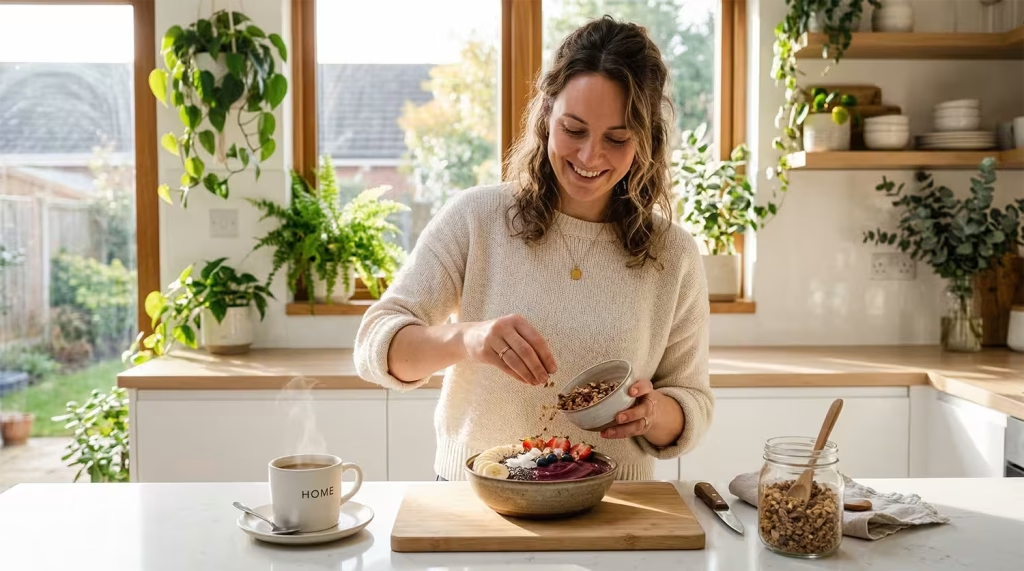
If mornings are consistently chaotic, the answer is to move the work to the weekend. These are all breakfasts you can prep on Sunday and eat throughout the week with zero morning effort.
- Overnight oats — Certified GF oats mixed with milk (dairy or non-dairy), chia seeds, a little maple syrup, and whatever fruit you like, left in a jar in the fridge overnight. By morning, they’re thick, creamy, and ready to eat cold. Make five jars on Sunday and breakfast is handled all week.
- Egg muffins — Whisk eggs with cheese, diced vegetables, and a protein like cooked bacon or sausage (check for GF labeling on processed meats), pour into a greased muffin tin, and bake at 375°F for 18-20 minutes. You get 12 portable, protein-rich little bites that reheat in 30 seconds. These keep in the fridge for up to five days.
- Chia pudding — Mix 3 tablespoons of chia seeds into a cup of coconut milk or almond milk, add a splash of vanilla and a little honey, shake well, and refrigerate overnight. The seeds absorb the liquid and create a thick, pudding-like texture. Top with fruit in the morning. Endlessly customizable and ready in seconds.
- GF muffins or breakfast bars — If you like to bake, a Sunday batch of gluten-free muffins or bars gives you a week’s worth of grab-and-go breakfasts. Banana oat muffins made with certified GF oats and almond flour are a reliable starting point. Our AI Gluten-Free Recipe Generator can help you find the right recipe for whatever you have on hand.
- Frittata — Like a crustless quiche. Sauté vegetables in an oven-safe skillet, pour in seasoned whisked eggs, cook on the stovetop until the edges set, then transfer to a 375°F oven for 12-15 minutes until puffed and golden. Slice and refrigerate. A frittata keeps for four or five days and is excellent cold, at room temperature, or briefly reheated.
What to Keep in Your Kitchen for Easy GF Mornings
A well-stocked kitchen is the real secret to stress-free gluten-free breakfasts. When the right ingredients are always on hand, you can throw together a solid breakfast from almost anything. The basics to keep stocked:
- Certified gluten-free oats
- Eggs (always)
- A GF bread you actually like (store in the freezer if you don’t go through it fast)
- Plain full-fat Greek yogurt
- Nut butters — almond, peanut, cashew
- Frozen fruit for smoothies and smoothie bowls
- Chia seeds
- A certified GF granola
- Almond or coconut milk
- Fresh fruit — whatever’s in season
If you want to go deeper on building out your full GF pantry beyond just breakfast, we put together a complete guide to setting up your first gluten-free pantry that walks you through every category.
The Hidden Gluten Traps at Breakfast
Even when you’re eating mostly whole foods in the morning, there are a few places where gluten sneaks in that catch people off guard.
- Flavored yogurts — Some contain modified food starch or grain-based thickeners. Plain yogurt is always your safest bet.
- Protein powders — Not all are gluten-free. Look for certified GF labeling; some powders use barley-based ingredients or are processed on shared equipment.
- Pre-made smoothies and smoothie mixes — Read the label. Many “healthy” mixes contain wheat-based ingredients or are produced in shared facilities.
- Non-certified oats — This one is worth repeating because it catches so many people. If the package doesn’t say “certified gluten-free,” assume the oats have been cross-contaminated. It’s not about the oat itself — it’s about how it was processed. You can check the certification status of any food with our Is It Gluten-Free? checker.
- Shared kitchen equipment — Toasters, waffle irons, cutting boards, and colanders all hold onto gluten. If you share a kitchen with people who eat gluten, these need to be either dedicated to your use or thoroughly cleaned before each use.
For a full breakdown of how gluten hides in foods you’d never suspect, the Hidden Sources of Gluten guide on our site covers this in depth.
Building the Morning Routine That Actually Sticks
The goal isn’t a different elaborate breakfast every day. The goal is having a small rotation of things you genuinely like that you can make without thinking. Three or four solid options — one grab-and-go, one quick cook, one make-ahead — and you’re set.
Start with one recipe from the make-ahead list this weekend. Make a batch of egg muffins or overnight oats. See how the week goes with breakfast already handled. If that works for you, add a second option the following week.
It doesn’t take long before gluten-free mornings stop being something you manage and start being something that just runs in the background. That’s the goal. And it’s absolutely reachable — one breakfast at a time.
If you’re still figuring out the bigger picture of what living gluten-free looks like day to day, our Living Gluten-Free section has guides on everything from grocery shopping and label reading to eating out and navigating social events. And if you want a full plan — breakfast through dinner, for a full week — our free Gluten-Free Meal Planner builds one for you in seconds.
You’ve got this.