I still remember the first Easter after our family went gluten-free. I had the eggs dyed, the baskets ready, and a ham in the oven — and then I completely froze in the candy aisle at Target, staring at a wall of pastel packaging and realizing I had absolutely no idea what was safe. Reese’s? Maybe. That bag of jelly beans? Probably not. The pretty little foil-wrapped eggs? No clue.
Easter is one of those holidays that sneaks up on you. Unlike Thanksgiving — where you’re basically in charge of every dish — Easter often involves shared meals, Easter egg hunts full of mystery candy, and a lot of well-meaning relatives who don’t quite understand why your child can’t just “eat around” the gluten. It requires a different kind of planning. And once you have that plan? It’s genuinely one of the most joyful holidays of the year.
This guide covers everything: which Easter candy is actually safe, how to pull together a gluten-free Easter brunch or dinner, the desserts worth making, and how to navigate the holiday at someone else’s table without stress. Let’s make this your easiest Easter yet.
The Easter Candy Minefield (and What’s Actually Safe)
Easter candy is where things get complicated fast. The issue isn’t just ingredients — it’s manufacturing. Many mainstream candy brands produce gluten-free products on shared lines with wheat-containing ones, which creates real cross-contamination risk for anyone with celiac disease. For people with gluten sensitivity, the risk is lower, but it’s still worth knowing what you’re working with.
Here’s a quick breakdown of common Easter candy and where they land:
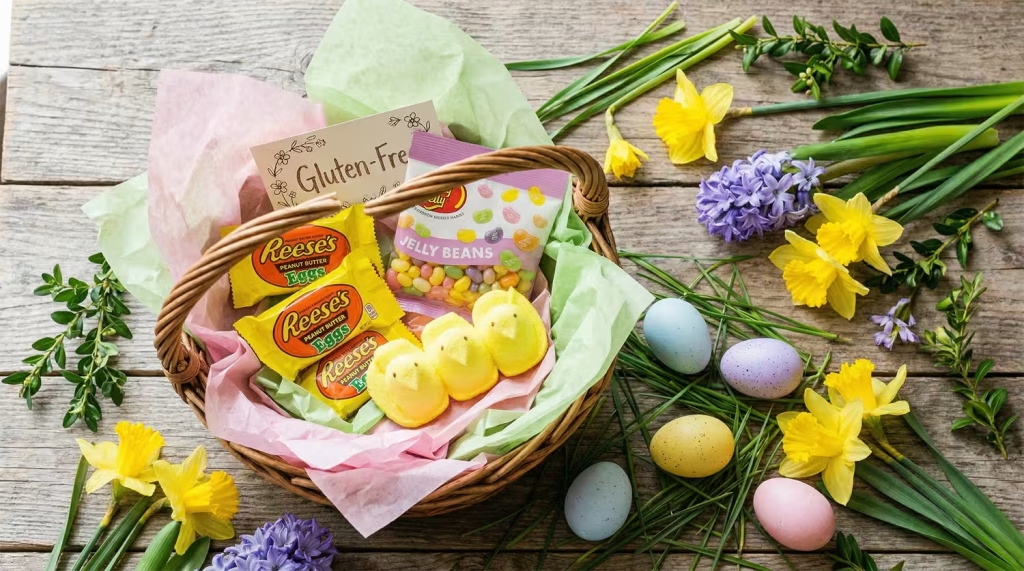
- Reese’s Peanut Butter Eggs — Generally considered gluten-free by ingredient, and one of the most popular picks for GF Easter baskets. Hershey’s lists most Reese’s products as not containing gluten ingredients, but always verify the current label, as formulations can change.
- Cadbury Creme Eggs — The classic. These do not contain wheat, barley, or rye ingredients, but Cadbury does note shared facility risks. Most celiac communities consider them low-risk; use your own judgment based on your sensitivity level.
- Jelly Belly jelly beans — These are certified gluten-free and one of the safest picks you can make. Not all jelly bean brands are safe — Starburst Jelly Beans, for example, contain modified food starch that may be wheat-derived, so always check.
- Peeps — Plain Peeps (marshmallow chicks and bunnies) are made without gluten ingredients, but some specialty flavors may not be. Stick to the originals.
- Lindt chocolate — Many Lindt bars and Easter shapes are gluten-free, but their products are made in facilities that process wheat. The brand recommends people with celiac disease exercise caution.
- Smarties — Yes! Smarties (the American chalky roll kind) are gluten-free and safe, making them a great budget option for filling eggs.
If you want a deeper dive into specific candies and brands, our Is It Gluten-Free? checker is a great place to start before you fill the cart.
Building Your Gluten-Free Easter Brunch
Easter brunch might be my favorite meal of the holiday season. There’s something about spring light, fresh flowers on the table, and a spread of food that feels like a real celebration — and the best part is that so many classic brunch dishes are already naturally gluten-free, or incredibly easy to adapt.
Here are the anchors of a great gluten-free Easter brunch:
- A frittata or baked egg dish — Eggs are naturally gluten-free and endlessly versatile. A springtime frittata with asparagus, leeks, and goat cheese feeds a crowd, looks impressive, and requires zero special ingredients. Make it the night before and reheat in the morning.
- Smoked salmon with GF crackers or cucumber rounds — Elegant, no cooking required, and a guaranteed crowd-pleaser. Use certified GF crackers (Simple Mills and Mary’s Gone Crackers are both great options) or skip the crackers entirely and go with cucumber slices.
- A fresh fruit salad — Obvious, but genuinely important. When you’re managing a dietary restriction at a family gathering, having something lush and abundant on the table that everyone can eat freely — no questions asked — matters more than people realize.
- Gluten-free muffins or quick bread — This is where a good GF baking recipe pays off. Lemon poppy seed muffins, blueberry muffins, or a simple banana bread made with almond flour all feel festive and seasonal. Bake them the day before so morning prep is stress-free.
- Mimosas and fresh-squeezed juice — Naturally gluten-free and always a hit. Freshly squeezed orange juice or a simple berry lemonade makes the table feel special without any extra effort.
GF Easter Brunch Shopping List
- Eggs (a dozen or more — frittata, deviled eggs, hard-boiled)
- Smoked salmon or charcuterie
- Certified gluten-free crackers
- Seasonal fruit (strawberries, blueberries, mango)
- GF flour blend or almond flour for muffins
- Sparkling wine or juice for mimosas
- Fresh herbs and greens for garnish
Easter Dinner: Naturally Gluten-Free or Easy to Adapt
Here’s the good news about Easter dinner: the centerpiece — whether that’s glazed ham, roast lamb, or a whole roasted chicken — is almost always naturally gluten-free. The places where gluten hides are in the sides and sauces, and once you know where to look, those are easy to fix.
The Main Course
A bone-in glazed ham is the traditional Easter main, and it’s completely safe as long as the glaze is made from gluten-free ingredients. Many store-bought glazes and pre-seasoned hams contain soy sauce, malt vinegar, or modified food starch — all potential gluten sources. Making your own glaze takes about five minutes and completely eliminates that risk. A simple brown sugar, Dijon mustard, and apple cider vinegar glaze hits every note you want.
Roast lamb with garlic and rosemary is another naturally gluten-free option that feels special and seasonal. If someone in your family prefers chicken, a simple roasted bird with lemon and herbs is always a safe, crowd-pleasing choice.
The Sides to Watch
This is where things can quietly go wrong at a family Easter dinner:
- Scalloped or au gratin potatoes — Often made with a flour-thickened béchamel. Use cornstarch or a GF flour blend to thicken the sauce instead — the texture is identical.
- Stuffing or dressing — Skip it or make a dedicated GF version with your favorite gluten-free bread. Our recipes page has several bread-based options that work beautifully.
- Gravy — Almost always thickened with flour. Thicken yours with cornstarch or arrowroot, and no one at the table will notice the difference.
- Deviled eggs — Naturally gluten-free, easy to make ahead, and gone within minutes at every Easter gathering I’ve ever attended. Always a good call.
- Roasted vegetables — Asparagus, carrots, and spring peas are all naturally safe and feel perfectly seasonal. Toss with olive oil, salt, and herbs and roast until caramelized.
If you’re trying to plan out the whole week around Easter rather than just the holiday itself, our gluten-free meal planner can help you think through prep schedules so nothing gets left to the last minute.
Gluten-Free Easter Desserts Worth Celebrating
I’ll be honest — this is my favorite section. Easter desserts are some of the best of the year, and they translate to gluten-free beautifully.
- Carrot cake with cream cheese frosting — The quintessential Easter dessert, and it’s genuinely easy to make gluten-free. Almond flour adds a natural moisture and density that makes GF carrot cake arguably better than the original. Don’t skip the cream cheese frosting — that’s non-negotiable.
- Lemon bars — Bright, tangy, and impossibly spring-like. A GF shortbread crust using a 1:1 GF flour blend works perfectly, and the lemon curd filling is naturally gluten-free.
- Flourless chocolate cake — Rich, fudgy, and completely naturally gluten-free — no substitutions needed. Dust the top with powdered sugar and add a handful of fresh raspberries and it looks like something from a bakery window.
- Pavlova with whipped cream and berries — Meringue is naturally gluten-free (just egg whites and sugar), and a spring pavlova topped with whipped cream and sliced strawberries is genuinely showstopping. It can be made a day ahead, which makes it even better.
- Coconut macaroons — Simple, naturally gluten-free, and easy to dip in chocolate for a festive Easter touch. These are also a great option if you’re also managing a dairy-free diet alongside gluten-free.
Navigating Easter at Someone Else’s House
This is the part nobody really talks about — and it’s often the hardest part of gluten-free living during the holidays. Going to a family Easter where you didn’t cook the food, where Grandma’s rolls are right there on the table, and where explaining cross-contamination for the fourth year in a row can feel exhausting.
A few things that actually help:
- Call or text the host ahead of time — A quick, friendly heads-up before the holiday is so much easier than a conversation at the table. You don’t need to make it complicated: “Hey, just wanted to flag — we’re still eating gluten-free, so we’ll bring a dish to share and I’ll help figure out what works for us from your menu.” Simple.
- Bring a dish that’s visibly abundant — When you bring a beautiful GF dessert or a stunning side dish, it signals confidence rather than restriction. People respond to food that looks amazing, and it shifts the conversation from “what can’t you eat” to “oh my gosh, can I have this recipe.”
- Eat before you go if needed — There’s no shame in having a snack before a gathering where you’re not sure about the food. Better to arrive not starving than to make a rushed decision under pressure because you’re hungry.
- Give grace — to others and yourself — Most people are trying. They may not always get it right, but the intention matters. And on the days when it’s genuinely hard, it’s okay to feel that too.
If you’re newer to navigating the social side of gluten-free living, our Living Gluten-Free guide has a lot more on this — including how to talk to family, handle restaurants, and build a lifestyle that actually feels sustainable.
Your Gluten-Free Easter Game Plan
Easter doesn’t have to be complicated. Once you have your candy sorted, your menu planned, and your dessert ready, the rest of the holiday is just about being present with the people you love.
Here’s the short version:
- Candy — Stick to Jelly Belly, plain Peeps, Reese’s Eggs, and Smarties for the safest basket and egg-hunt options.
- Brunch — Build around eggs, fruit, smoked salmon, and a GF baked good. Almost everything is naturally safe.
- Dinner — Choose a naturally GF main (ham, lamb, chicken) and make your own glaze and gravy to control the ingredients.
- Dessert — Carrot cake, flourless chocolate cake, or pavlova. Any of the three will earn you serious compliments.
- Social navigation — Communicate early, bring something beautiful, give yourself grace.
If you’re still building your foundation — figuring out what’s safe, what to stock in your kitchen, and how to read labels confidently — our free gluten-free starter guide is a great place to get your bearings before the holiday arrives.
Easter is one of those holidays that genuinely rewards a little planning. And when everything comes together — the table looks beautiful, the food is delicious, and nobody has to worry about getting sick — it feels like exactly what a holiday should be. You’ve got this.