

On this page
I’ll never forget the first time I tried to eat at a restaurant after our family went gluten-free. We were at a casual Italian place for my sister-in-law’s birthday, and I spent the entire meal anxiously grilling the server about ingredients while everyone else ordered without a second thought. I ended up with a plain salad — no croutons, no dressing — and I still wasn’t sure it was safe. I left hungry, frustrated, and honestly a little embarrassed.
If that sounds familiar, I want you to know something: it gets so much easier. Dining out gluten-free in 2026 is genuinely better than it’s ever been. More restaurants understand celiac disease and gluten sensitivity, more menus include clearly marked options, and there are incredible tools to help you find safe places to eat. You just need a system — a way to approach restaurant meals that protects your health without turning every dinner into a research project.
That’s what this guide is. Think of it as your complete playbook for eating out gluten-free, from choosing the right restaurant to communicating with your server to handling those tricky social situations where you don’t want to make a big deal out of your dietary needs (but also really can’t afford to get sick). Let’s get into it.
Why Dining Out Is So Stressful When You’re Gluten-Free
Before we talk strategy, let’s be honest about why this is hard. When you eat at home, you control everything — every ingredient, every surface, every pan. At a restaurant, you’re handing that control to strangers. For people with celiac disease, that’s not just uncomfortable — it’s genuinely risky. Even small amounts of gluten can trigger an immune response that damages the small intestine, and cross-contamination in a busy kitchen is incredibly common.
For those with non-celiac gluten sensitivity, the stakes may feel lower, but the discomfort is still very real. Nobody wants to spend the night after a nice dinner dealing with bloating, brain fog, or worse.
The other piece is social. Eating out is how we celebrate, catch up with friends, and connect with family. When you feel like you can’t safely participate in that, it’s isolating. I’ve heard from so many readers who’ve simply stopped going to restaurants altogether — and that’s not the answer either. The goal isn’t avoidance. It’s confidence.
Step 1: Choose the Right Restaurant (Before You Leave the House)
The most important thing you can do happens before you ever sit down at a table. Choosing the right restaurant is easily 80% of the battle. Here’s how to stack the odds in your favor:
- Use a gluten-free restaurant app. Find Me Gluten Free is the gold standard — it has crowd-sourced reviews from the gluten-free community, so you can see which restaurants near you have been vetted by people who actually understand the risk. The GlutenDude app is another excellent option, with restaurants personally vetted for celiac safety. Download both before your next outing.
- Look for dedicated gluten-free menus. A restaurant that has taken the time to create a separate GF menu (not just asterisks next to a few items) is signaling that they take this seriously. Even better if the menu mentions their cross-contamination protocols.
- Consider the cuisine type. Some cuisines are naturally more gluten-free friendly than others. Mexican restaurants (corn tortillas, rice, beans, grilled meats), Thai restaurants (rice noodles, curries), Indian restaurants (rice, lentil-based dishes), and steakhouses tend to have more naturally safe options. Italian and Chinese restaurants are typically harder, since wheat-based pasta, soy sauce, and shared fryer oil are central to their cooking.
- Call ahead. This might feel awkward, but a quick phone call during off-peak hours can save you a world of trouble. Ask to speak with the chef or manager and say something like: “I have celiac disease and need to eat strictly gluten-free. Can you accommodate that safely?” Their response will tell you everything you need to know. Enthusiasm and specific answers are great signs. Hesitation or “I think so” is a red flag.
- Check the restaurant’s website and social media. Many restaurants now mention allergen accommodations online. Look for phrases like “gluten-free options available,” “allergen menu,” or “we take food allergies seriously.” If they have a downloadable allergen chart, even better.
Step 2: How to Talk to Your Server (Without Being “That Person”)
Here’s the thing — you’re not being difficult. You’re managing a medical condition. But I know the social anxiety is real, especially when you’re at a table full of people who just want to order and eat. The key is being clear, brief, and kind.
When your server comes over, try something like this: “I have celiac disease, so I need my food to be completely gluten-free — no wheat, barley, or rye, and prepared separately from gluten-containing foods. Can you help me figure out what’s safe?”
A few things to keep in mind:
- Use the word “celiac” or “allergy,” not “preference.” Servers are trained to take medical needs more seriously than dietary preferences. Even if you have gluten sensitivity rather than celiac disease, framing it as a health issue ensures the kitchen pays closer attention.
- Ask specific questions. Don’t just ask “Is this gluten-free?” Instead, ask about specific risk points: “Is the chicken grilled on a clean surface or a shared grill?” “Are the fries cooked in a dedicated fryer?” “Does the sauce contain flour or soy sauce?” These questions show the server exactly what you need and help them get accurate answers from the kitchen.
- Request a manager or chef if needed. If your server seems uncertain, politely ask if you can speak with the manager or chef. This isn’t rude — it’s responsible. Most chefs actually appreciate the direct conversation because it lets them solve the problem without playing telephone through a server.
- Be gracious, not apologetic. You don’t need to apologize for having dietary needs. A simple “Thank you so much for helping me with this” goes a long way and keeps the interaction positive.
If you want a quick cheat sheet for your next outing, the Celiac Disease Foundation has an excellent list of specific ‘Dining Dozen’ questions to keep in your back pocket.
Step 3: Know the Hidden Gluten Traps on Restaurant Menus
Even when a restaurant is trying their best, gluten hides in places you might not expect. If you’ve read our guide on how to read food labels for hidden gluten, you already know that gluten shows up under a lot of different names. In restaurants, it’s even trickier because you can’t read the label — you have to ask the right questions.
Here are the most common hidden gluten sources in restaurant food:
- Sauces and gravies. Many sauces are thickened with flour — including cream sauces, pan gravies, and even some tomato sauces. Always ask if the sauce is thickened with flour or cornstarch.
- Marinades and dressings. Soy sauce is a major culprit here (it contains wheat), and it shows up in marinades, stir-fries, and salad dressings. Teriyaki sauce, Worcestershire sauce, and malt vinegar are other common offenders.
- Fried foods and shared fryers. Even if the food itself is gluten-free (like French fries or chicken wings), if it’s fried in the same oil as breaded items, it’s contaminated. Always ask: “Do you have a dedicated fryer for gluten-free items?”
- Scrambled eggs and omelets. Some restaurants add pancake batter to their eggs to make them fluffier. Yes, really. Always ask if the eggs are made with just eggs.
- Soups. Many restaurant soups use flour as a thickener or contain barley, pasta, or croutons. Even “cream of” soups often start with a flour-based roux.
- Seasoning blends and rubs. Some house seasoning blends contain wheat flour or maltodextrin derived from wheat. Ask if the kitchen uses any pre-made spice blends on your dish.
- Baked potatoes. Some restaurants coat the skins in flour to make them crispier. It’s worth asking, even though it sounds unlikely.
Step 4: Cross-Contamination — What to Watch For
Cross-contamination (sometimes called cross-contact) is the biggest risk when dining out gluten-free. It happens when gluten-free food comes into contact with gluten during preparation, cooking, or serving. For someone with celiac disease, even 20 parts per million of gluten can cause damage — and that’s an incredibly small amount.
Here’s what to watch for and ask about:
- Shared cooking surfaces. Grills, flat-tops, and cutting boards that are used for both regular and gluten-free items need to be cleaned between uses. Ask if the kitchen can use a clean section of the grill or a separate pan for your order.
- Shared pasta water. If a restaurant cooks gluten-free pasta in the same water as regular pasta, it’s contaminated. The pasta should be cooked in fresh water in a clean pot.
- Toasters and bread areas. If you’re ordering GF toast or a GF bun, ask how it’s prepared. A shared toaster is a no-go. A clean pan or separate toaster is what you need.
- Utensils and serving tools. Tongs that touched regular bread, ladles used in wheat-based soup, or spatulas that flipped a regular burger can all transfer gluten. A good kitchen will use fresh utensils for your order.
- Flour in the air. In open-kitchen restaurants or pizzerias where flour is being tossed, airborne flour can settle on your food. This is a real risk in bakeries and pizza places, even if they offer a “gluten-free” option.
Katie’s Tip: I always try to time our restaurant visits slightly before or after peak hours. A less-rushed kitchen is a more careful kitchen. If we can eat at 5:30 instead of 7:00, or grab a late lunch at 2:00, the staff has more time and attention to give to our needs.
For a deeper dive into kitchen safety protocols, check out this detailed dining tips guide from Beyond Celiac, which covers everything from airborne flour to shared pasta water.
The Best Cuisines for Gluten-Free Dining
Not all restaurant types are created equal when it comes to gluten-free safety. Over the years, I’ve learned which cuisines tend to be easier and which require extra caution. Here’s my honest breakdown:
- Mexican — One of the easiest options. Corn tortillas, rice, beans, grilled meats, guacamole, and salsa are all naturally gluten-free. Just confirm that the tortillas are 100% corn (some restaurants use a wheat-corn blend) and that nothing is dusted in flour. Watch out for flour tortillas being prepared on the same surface.
- Thai — Rice-based dishes, curries with coconut milk, and rice noodles make Thai food a great choice. The main thing to watch is soy sauce — ask the restaurant to use tamari or confirm their soy sauce is gluten-free. Also be cautious of anything described as “crispy,” which may be battered.
- Indian — Lots of naturally GF options with rice, lentils, and vegetable curries. Avoid naan and other bread, and ask about thickening agents in sauces. Tandoori-style grilled meats and seafood are usually safe.
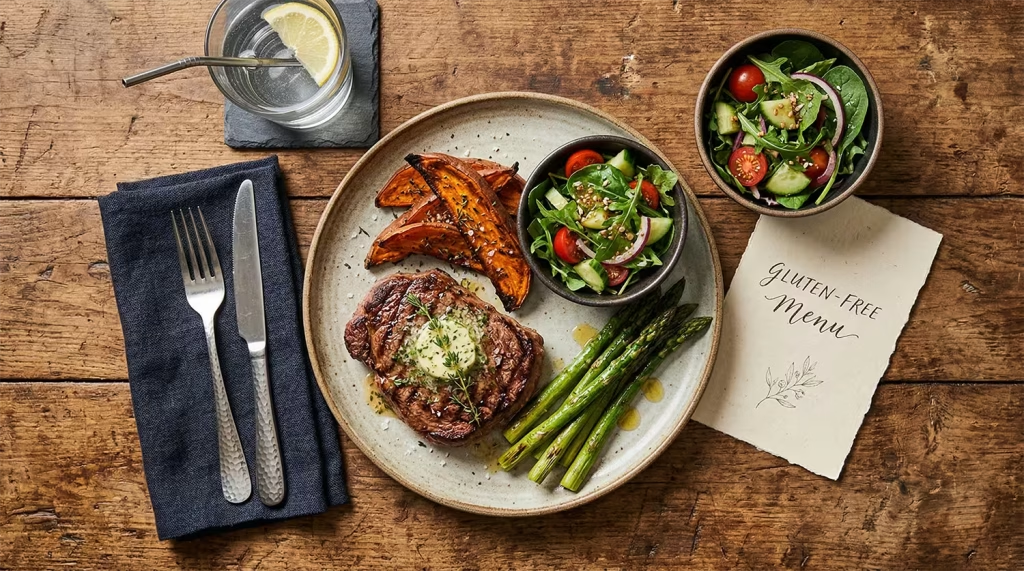
- Steakhouses — A grilled steak with a baked potato and vegetables is about as safe as it gets. Just ask about marinades, seasoning rubs, and whether the potato is flour-coated.
- Japanese — Sushi with rice and fresh fish can work well, but soy sauce is everywhere. Bring your own tamari or ask for gluten-free soy sauce. Avoid tempura (wheat batter), and be aware that imitation crab contains wheat.
- Italian — The hardest. Flour is in the air, on every surface, and in most dishes. If you go Italian, look for restaurants that specifically cater to gluten-free diners with separate prep areas and dedicated GF pasta cooking water.
Handling the Social Side of Dining Out
Let’s talk about the part nobody puts in the medical brochure: the social awkwardness. Dining out is supposed to be fun, and it’s hard to enjoy yourself when you feel like you’re inconveniencing everyone at the table — or worse, when someone makes a comment about your diet being “trendy” or “not that big a deal.”
If you’re new to living gluten-free, here are some strategies that have helped me navigate the social side:
- Suggest the restaurant. If you’re part of the planning process, offer to pick the spot. Most people are happy to let someone else decide, and it means you can choose a place you’ve already vetted. Frame it positively: “I found this amazing place I’ve been wanting to try” works better than “I need somewhere that can handle my diet.”
- Brief your close circle. The people who eat with you regularly — your partner, close friends, family — should understand the basics. You don’t need to give a medical lecture. Just a simple “Here’s why this matters and what I need” conversation goes a long way. Our guide on transitioning loved ones to a gluten-free mindset has great tips for this.
- Don’t over-explain at the table. When you’re with acquaintances or in a larger group, you don’t owe anyone a detailed explanation. “I have a food allergy” or “I have celiac disease” is enough. Most people will nod and move on.
- Eat something before you go. If you’re heading somewhere you’re not sure about — a new restaurant, a work event, a party — eat a small meal beforehand. It takes the pressure off and means you won’t be starving if the options are limited.
Your Gluten-Free Restaurant Survival Kit
After years of dining out gluten-free, there are a few things I always have with me. Think of this as your go-bag for safe eating on the go:
What to Bring When Dining Out
- A gluten-free restaurant card that clearly explains your needs — especially useful at restaurants where English isn’t the first language. You can print these or use the Celiac Travel app.
- A small bottle of gluten-free tamari or soy sauce for sushi restaurants or Asian cuisine.
- A backup snack — a GF bar, nuts, or crackers — in case the restaurant can’t accommodate you safely.
- Your phone with the Find Me Gluten Free and GlutenDude apps installed for on-the-fly restaurant research.
- Any digestive enzymes or supplements your doctor has recommended (these aren’t a substitute for avoiding gluten, but some people find them helpful as an extra safety layer).
What to Do If You Get “Glutened”
Even with the best planning, accidents happen. If you eat something at a restaurant and start experiencing symptoms — which can range from digestive issues to headaches, fatigue, joint pain, or brain fog — here’s what to do:
- Don’t panic. Your body will process the gluten and recover, though the timeline varies from person to person. For some people it’s 24 hours; for others it can take a week or more.
- Stay hydrated. Drink plenty of water and consider ginger or peppermint tea to help settle your stomach.
- Rest. Give your body time to heal. If you can take it easy for a day, do it.
- Track what happened. Write down where you ate, what you ordered, and when symptoms started. This helps you identify patterns and avoid the same mistake in the future.
- Let the restaurant know. A polite, factual message — not a heated review — gives the restaurant a chance to fix the problem. Many restaurants genuinely want to get this right and will appreciate the feedback.
- Talk to your doctor. If you have celiac disease and symptoms are severe or prolonged, check in with your gastroenterologist. Repeated exposures can cause cumulative damage.
If you’re still building your understanding of what gluten does to the body and how to manage it, our Gluten-Free 101 section has everything you need to get grounded.
It Gets Easier — I Promise
I know dining out gluten-free can feel overwhelming at first. There’s a lot to think about, a lot to ask, and a lot of mental energy that goes into what should be a simple, enjoyable experience. But here’s what I’ve learned after years of doing this: it becomes second nature. You develop your go-to restaurants, your go-to orders, your go-to phrases. The anxiety fades, and the joy of sharing a meal with people you love comes back.
The gluten-free dining landscape is better than it’s ever been, and it’s getting better every year. More restaurants are training their staff, more apps are connecting us with safe options, and more people understand that this isn’t a fad — it’s a real medical need for millions of people.
So don’t give up on restaurants. Don’t shrink your world. Use the tools, do the prep, and go enjoy that dinner. You deserve it.
For more practical guidance on navigating the gluten-free lifestyle, check out our restaurant finder or explore our recipe collection to take the stress out of weekly cooking. And if you’re ever unsure whether a specific food is safe, our Is It Gluten-Free? section has you covered.