
You know that feeling when it’s 5:30 PM, everyone’s hungry, and you’re standing in the kitchen with absolutely no idea what to make — except that whatever it is, it has to be gluten-free? If you’ve been cycling through the same three dinners on repeat (chicken and rice, chicken and rice, chicken and rice…), you’re not alone. Most families hit this wall within the first few months of going GF.
The real problem isn’t a lack of recipes. It’s the lack of a system. Without a weekly gluten-free meal plan, every single dinner becomes a decision — and when you’re already spending mental energy reading labels and dodging cross-contamination, that decision fatigue adds up fast. Research from the Celiac Disease Foundation shows that meal planning adherence is one of the strongest predictors of long-term success on a gluten-free diet.
We’ve spent months testing recipes, brands, and prep strategies to build a 4-week dinner rotation that actually works for real families — not food bloggers with unlimited time and budgets. Every meal in this plan uses ingredients you can find at Walmart, Kroger, Target, or Aldi, and most come together in under 45 minutes.
Here’s your complete gluten-free meal plan for weekly dinners, broken down week by week, with the products and shortcuts that make it sustainable.
Key Takeaways
- A structured weekly gluten-free meal plan eliminates nightly decision fatigue and cuts your grocery time in half once you have a rotation established.
- Most weeknight GF dinners should be built around naturally gluten-free foods — rice, potatoes, corn tortillas, proteins, and vegetables — not expensive specialty products.
- Barilla Gluten-Free Spaghetti and San-J Tamari are two pantry staples that make dozens of easy dinners possible without sacrificing flavor.
- Batch-prepping proteins and grains on Sunday saves 3-4 hours during the week and makes even busy weeknights manageable.
- You don’t need 28 unique recipes — a solid rotation of 10-12 meals, repeated and remixed, is more sustainable than novelty every night.
Why a Weekly Gluten-Free Meal Plan Changes Everything
A weekly gluten-free meal plan isn’t about being rigid — it’s about removing the daily stress of figuring out what’s safe, what’s in the fridge, and what everyone will actually eat. When you have a plan, grocery shopping becomes a 30-minute errand instead of an hour-long label-reading marathon.
The families who stick with gluten-free long-term almost always have some kind of meal rotation system. It doesn’t have to be fancy. Even a loose plan — knowing Monday is pasta night, Wednesday is stir fry, Friday is tacos — gives you a framework that eliminates the worst part of GF cooking: the constant mental overhead.
A good gluten-free meal plan for weekly dinners also saves money. When you shop with a list built around planned meals, you waste less food and buy fewer impulse “backup” items. According to the USDA, the average American household throws away 30-40% of its food. A meal plan cuts that dramatically.
Week 1 — Your Starter Rotation
Start simple. These seven dinners use common ingredients, require minimal GF-specific products, and take 30-45 minutes each. The goal this week is building confidence, not culinary ambition.
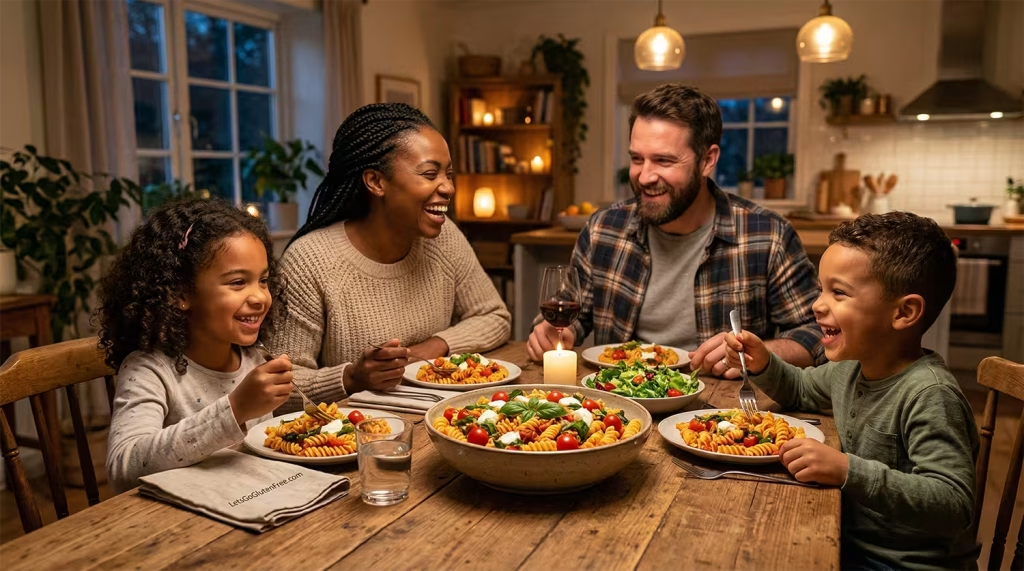
Monday — GF Pasta with Meat Sauce: Ground beef or turkey with Rao’s Homemade Marinara (naturally GF) over Barilla Gluten-Free Spaghetti. 25 minutes. Try our gluten-free spaghetti with meat sauce recipe for the full method.
Tuesday — Sheet Pan Chicken Fajitas: Chicken breast, bell peppers, and onions roasted with olive oil and cumin. Serve with corn tortillas (Mission Yellow Corn are GF) and salsa. 30 minutes.
Wednesday — Stir Fry with Rice: Any protein plus vegetables tossed in San-J Tamari with garlic and ginger over jasmine rice. Our gluten-free teriyaki chicken recipe is a great starting variation.
Thursday — Baked Salmon with Roasted Potatoes: Salmon with lemon, dill, and olive oil alongside roasted baby potatoes. Naturally GF, no specialty products needed. 35 minutes.
Friday — Taco Night: Seasoned ground beef or chicken (Siete Foods GF taco seasoning or DIY), corn tortillas, cheese, lettuce, tomato. The whole family builds their own. 20 minutes. See our easy gluten-free tacos recipe for seasoning tips.
Saturday — Slow Cooker Chicken Soup: Chicken thighs, carrots, celery, onion, and Pacific Foods Organic Chicken Broth (certified GF) — dump and go. Our gluten-free tomato soup is another great slow-cook option.
Sunday — Burrito Bowls: Rice, black beans, seasoned protein, corn, salsa, cheese, and lettuce. Chipotle at home — naturally gluten-free. 25 minutes.
Weeks 2-3 — Building Your Rotation
Now that you have Week 1 down, add variety without adding complexity:
Swap the protein: Try beef pasta with Italian sausage (Johnsonville Italian Ground Sausage is GF) or white beans and spinach.
Change the grain base: Trade rice for quinoa, baked potatoes, or Banza chickpea pasta (GFCO Certified, higher protein than regular pasta).
Rotate cuisines: Week 1 covered Italian, Mexican, Asian, and American. In Weeks 2-3, add:
- Greek night: Grilled chicken with rice, cucumber-tomato salad, and tzatziki (most store-bought tzatziki is GF — check labels)
- Breakfast for dinner: Scrambled eggs, bacon, hash browns, and fruit. Naturally GF. Our fluffy gluten-free pancakes make this feel special.
- Soup night: Chicken tortilla soup, chili (naturally GF), or potato soup thickened with cornstarch instead of flour.
Keep your base rotation at 10-12 meals — you don’t need 28 unique recipes, just a dozen reliable ones you can remix. Browse our full recipe collection for more options to add to your rotation.
Week 4 — Mix, Match, and Make It Yours
By Week 4, you should have a personal rotation taking shape. This is where you customize based on what your family actually ate (and what got pushed around the plate).
Keep what worked. If taco night was a hit every week, it stays. If salmon was a fight with the kids, swap it for fish sticks (Dr. Praeger’s makes GFCO-certified fish sticks that kids actually like) or try our crunchy gluten-free chicken tenders.
Add one new recipe per week. Just one. One new recipe plus your proven rotation is the sustainable approach.
Build a “backup meal” list. Every GF household needs 2-3 zero-effort meals for nights the plan falls apart: frozen GF pizza (Against The Grain or Oggi Foods), eggs and toast on Canyon Bakehouse bread, or cheese quesadillas on corn tortillas.
How to Meal Prep Your Gluten-Free Dinners in 2 Hours
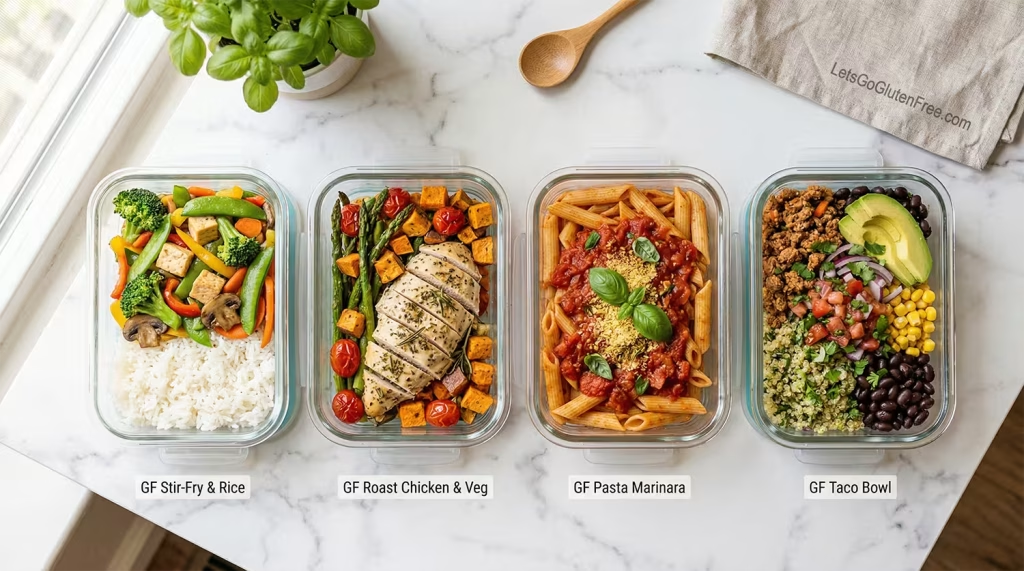
Sunday meal prep is what turns a gluten-free meal plan from a nice idea into something that actually happens on Tuesday at 6 PM. Here’s a sample 2-hour prep session:
Hour 1 — Proteins and Grains:
- Cook 2 lbs chicken breast (season half with fajita spices, half with Italian herbs)
- Brown 1 lb ground beef with taco seasoning
- Cook a large pot of rice (makes 3-4 dinners worth)
- Start a pot of quinoa if using this week
Hour 2 — Vegetables and Sauces:
- Chop bell peppers, onions, broccoli, and carrots for the week
- Wash and prep salad greens
- Portion out marinara sauce, tamari stir fry sauce, and salsa into containers
- Prep any slow cooker ingredients into bags for dump-and-go mornings
Store everything in glass containers in the fridge. Most prepped ingredients stay fresh 4-5 days. Label containers with the meal name so anyone in the family can pull dinner together — not just you.
🛒 Your GF Dinner Pantry Essentials
- Jasmine rice and brown rice
- Quinoa
- Barilla Gluten-Free Pasta
- Banza Chickpea Pasta (GFCO Certified)
- Corn tortillas
- Canned beans (black, pinto, chickpeas)
- San-J Tamari (GFCO Certified)
- Rao’s Homemade Marinara
- Olive oil
- Pacific Foods Organic Chicken Broth (certified GF)
According to Beyond Celiac, building meals around naturally gluten-free whole foods rather than processed GF substitutes is both healthier and more affordable long-term.
Recommended Products for Your GF Kitchen
These are the products we rely on weekly in our own meal rotation. They’re all widely available at major grocery stores and consistently deliver on taste and safety.
Best mainstream GF pasta. Made from corn and rice flour, holds its shape well. Available at Walmart, Target, Kroger.
GFCO Certified (less than 10 ppm). Rich, full flavor virtually identical to regular soy sauce. A stir fry essential.
Higher protein (25g/serving) and fiber than rice-based GF pastas. GFCO certified. Rotini and penne shapes work best.
Best GF sandwich bread for toast and backup meals. Soft texture, holds up without crumbling. Certified gluten-free.
Perfect for thickening sauces, breading chicken, or weekend baking. True 1:1 substitution for all-purpose flour.
For a deeper dive into trusted brands across every category, check out our best gluten-free brands guide. The Gluten Free Certification Organization (GFCO) maintains a searchable database of all certified products if you want to verify any brand.
Common Mistakes When Starting a Gluten-Free Meal Plan
Not checking soy sauce and broth labels. Traditional soy sauce contains wheat, and many bouillon cubes use wheat-based thickeners. Always verify — the Celiac Disease Foundation maintains a helpful list of hidden gluten sources.
Trying to make everything from scratch. Quality store-bought GF products exist so you don’t burn out. You don’t need homemade bread and pasta to eat well.
Forgetting about cross-contamination at home. If you share a kitchen with gluten-eaters, use separate colanders, a dedicated toaster, and separate butter/peanut butter jars. Our guide to avoiding cross-contamination covers safe shared-kitchen practices in detail.
Planning too many new recipes at once. One or two new meals per week is plenty. Build from a stable base — if every night is an experiment, burnout follows.
Relying too heavily on packaged GF substitutes. GF packaged foods cost 2-3x more. A sustainable plan leans on naturally GF whole foods and uses specialty products strategically. The National Institute of Diabetes and Digestive and Kidney Diseases (NIDDK) recommends focusing on whole grains, fruits, vegetables, and lean proteins as the foundation of a gluten-free diet.
Skipping meal prep. Even 30 minutes of chopping vegetables and cooking rice on Sunday saves hours during the week. Tuesday’s dinner shouldn’t start from zero.
Frequently Asked Questions
How do I start a gluten-free meal plan for my family?
Start with 5-7 simple dinners your family already enjoys that are naturally gluten-free or easy to adapt — grilled chicken with rice, tacos on corn tortillas, or stir fry with tamari instead of soy sauce. Build your grocery list around these meals, then rotate and expand each week. Don’t try to overhaul everything at once.
What are the best gluten-free pantry staples for weekly dinners?
Essential staples include rice (white and brown), certified gluten-free pasta like Barilla GF or Banza, San-J Tamari, canned beans, olive oil, and a GF flour blend like Bob’s Red Mill 1-to-1. With these on hand, you can make most weeknight dinners without a special grocery trip.
Is soy sauce gluten-free?
Traditional soy sauce contains wheat and is not safe for people with celiac disease or gluten sensitivity. Use tamari instead — San-J Tamari is GFCO Certified Gluten-Free at less than 10 parts per million (ppm). Coconut aminos are another safe alternative with a slightly sweeter flavor profile.
How much does a gluten-free meal plan cost per week?
A gluten-free meal plan for a family of four typically runs $120-$180 per week for dinners, depending on protein choices and how many specialty GF products you use. Building meals around naturally gluten-free foods like rice, potatoes, and beans keeps costs closer to the lower end.
Can I meal prep gluten-free dinners ahead of time?
Absolutely. Most GF dinners meal prep well — spend 1-2 hours on Sunday prepping proteins, chopping vegetables, and cooking grains. Stir fries, taco fillings, soups, and casseroles refrigerate for 4-5 days or freeze for up to 3 months. Cook grains and proteins separately so textures hold up during reheating.
The Bottom Line
A gluten-free meal plan for weekly dinners doesn’t need to be complicated, expensive, or boring. Start with a simple rotation of 7-10 meals your family already likes, stock your pantry with reliable GF staples like Barilla pasta and San-J Tamari, and set aside a couple of hours on the weekend for basic prep. That’s the whole system.
The families who make gluten-free life work long-term aren’t the ones with the fanciest recipes — they’re the ones with a plan they can actually stick to, week after week. Give yourself permission to repeat meals, lean on good convenience products, and keep it simple. Try our gluten-free meal planner tool to generate a custom 7-day plan based on your family’s preferences.
Want the printable version? Grab our free 30-day gluten-free guide — it includes a meal plan framework with grocery lists you can customize for your family. No more standing in the kitchen at 5:30 wondering what’s for dinner.
