
Last month, I spent $347 at two different grocery stores buying almost the exact same gluten-free foods.
Same pantry staples. Same “safe” brands. Same family needs.
What wasn’t the same? The final total at checkout.
When I laid the receipts side by side, I honestly had to double-check that I hadn’t missed something. One store had quietly cost me a lot more — and I shop gluten-free for a living.
If you’re gluten-free, you already know how this story usually goes. The bread is smaller. The pasta costs more. The snacks disappear faster. And somehow, your grocery bill keeps climbing even when you’re buying “less.”
That’s exactly why the Costco vs. Aldi debate matters so much right now.
Is paying for a Costco membership actually worth it for gluten-free families in 2026? Or is Aldi’s liveGFree line the smarter, budget-friendly choice for everyday shopping?
The answer isn’t as simple as “one is cheaper.” It depends on how you shop, who you’re feeding, and which gluten-free staples you buy most often.
So I did the comparison for you — real prices, real products, real-life shopping habits — to finally answer the question:
Which store truly gives you the best value for a gluten-free pantry in 2026?
Let’s break it down.
A Tale of Two Gluten-Free Giants
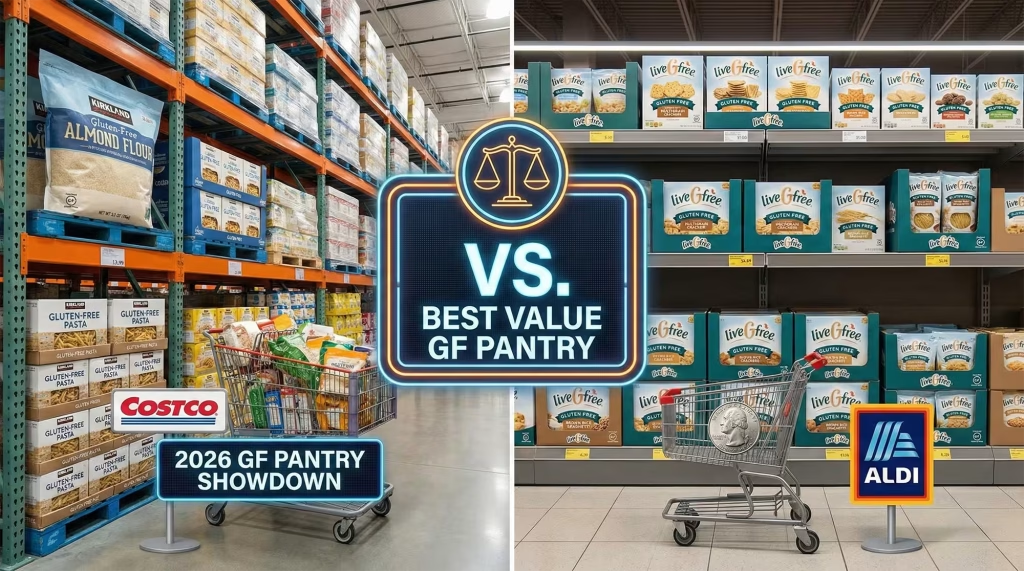
At first glance, Costco and Aldi might look like they’re competing for the same shoppers. But when it comes to gluten-free food, they’re actually playing two very different games.
Understanding how each store approaches gluten-free products makes the price differences make a lot more sense — and helps you shop smarter instead of just cheaper.
Costco’s Strategy: Buy Big, Save Big (If You Can)
Costco is built for households that plan ahead. Their gluten-free selection leans heavily on bulk sizes and well-known brands, which can be a huge win if you have the space and the appetite.
What Costco does best for gluten-free shoppers:
- Bulk packs of gluten-free bread, snacks, and baking staples
- Trusted national brands with consistent quality
- A surprisingly strong frozen gluten-free section
- Competitive price-per-unit (especially for families)
Over the past few years, Costco has quietly expanded its gluten-free offerings in a big way. By early 2026, many stores carry 100+ certified gluten-free products, making it one of the best one-stop shops for stocking a gluten-free pantry all at once.
The trade-off? You’ll need to pay the annual membership fee — and you’ll need enough storage space to make bulk buying worth it.
Aldi’s Strategy: Affordable, Accessible, Everyday Gluten-Free
Aldi took a totally different route — and honestly, it’s why so many gluten-free families love them.
Instead of focusing on brand names, Aldi built its own dedicated gluten-free line: liveGFree. The goal isn’t bulk. It’s simplicity, affordability, and everyday convenience.
What Aldi does best for gluten-free shoppers:
- Clearly labeled, certified gluten-free store-brand products
- Lower prices without needing to buy in bulk
- Smaller package sizes that reduce food waste
- Quick, no-pressure shopping trips
As of 2026, Aldi U.S. stores stock 130+ gluten-free products, with liveGFree forming the core of their gluten-free aisle. For many families, it’s the easiest way to keep safe food on the table without overthinking it.
Why This Difference Matters
Costco and Aldi aren’t really competitors — they’re tools.
One is designed for stocking up. The other is built for staying flexible.
Once you understand that, it becomes much easier to decide where each store fits into your gluten-free routine — and why the smartest shoppers often use both.
Next up: let’s talk actual prices.
The Price Showdown: Pantry Staples Compared
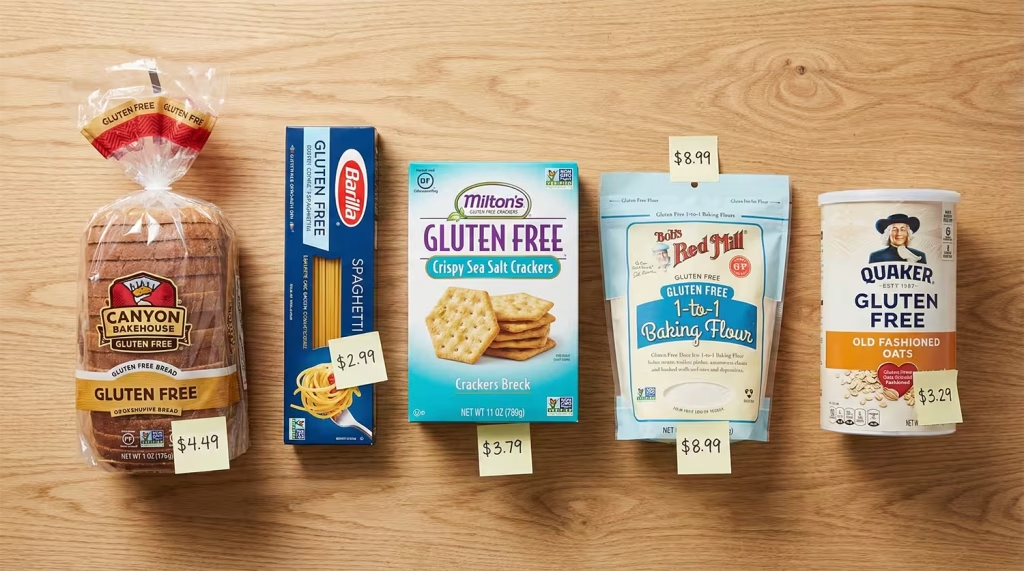
This is where the Costco vs. Aldi decision really starts to matter.
Most gluten-free grocery bills aren’t blown up by specialty treats — they’re driven by the same pantry staples you buy over and over again. Bread. Pasta. Crackers. Snacks. Frozen meals for busy nights.
So instead of comparing random products, I focused on the items most gluten-free households rely on week after week.
Gluten-Free Bread (The Make-or-Break Item)
If you buy gluten-free bread regularly, you already know this category can quietly drain your budget.
| Item | Costco | Aldi |
|---|---|---|
| GF White Bread (per oz) | ~$0.23/oz (Canyon Bakehouse) | ~$0.38/oz (liveGFree) |
| Package Size | 2-pack (36 oz total) | Single loaf (20 oz) |
Costco:
- Typically sells gluten-free bread in multi-packs
- Lower cost per ounce
- Ideal if you’re willing to freeze extra loaves
Aldi:
- Single-loaf purchases
- Higher cost per ounce
- Easier for small households or occasional use
Why Costco usually wins here:
- Bread is one of the few GF items that freezes beautifully
- Even buying just a couple loaves per month can create noticeable savings
- Many families say bread alone justifies the Costco membership
If sandwiches are a daily thing in your house, this is one of the clearest Costco wins.
Gluten-Free Pasta (Aldi’s Quiet Strength)
Pasta is a pantry staple that most families don’t want to stock in bulk — and that’s where Aldi shines.
| Item | Costco | Aldi |
|---|---|---|
| GF Pasta (per lb) | ~$3.50 | ~$2.80 |
| Packaging | Multi-pack | Single box |
Aldi’s liveGFree pasta:
- Lower price per pound
- Certified gluten-free
- Reliable texture and taste
- Easy to buy just what you need
Costco’s pasta options:
- Often sold in multi-packs
- Includes popular name brands
- Slightly higher price per pound
Why Aldi usually wins here:
- Less commitment
- Less storage required
- Easier to try different shapes and varieties
If you like flexibility (or don’t want six boxes of pasta sitting in your pantry), Aldi is usually the better choice.
Crackers, Chips & Snack Foods
This category depends heavily on how fast your family eats snacks.
Costco is better if:
- You go through snacks quickly
- You want the lowest cost per serving
- You’re buying lunchbox staples
Aldi is better if:
- You want variety
- You don’t want giant boxes going stale
- You’re shopping for one or two people
In short:
- Costco = better long-term value
- Aldi = better short-term flexibility
Neither store is “wrong” here — it really comes down to your household size and snack habits.
Frozen Gluten-Free Foods (Where It Gets Interesting)
Frozen foods are where both stores genuinely compete.
Costco tends to offer:
- Larger variety
- Family-size portions
- Strong name-brand frozen meals
Aldi tends to offer:
- Lower prices per item
- Smaller portions
- Seasonal gluten-free finds
What this means in real life:
- Costco is great for stocking up
- Aldi is great for weeknight convenience
Many gluten-free shoppers end up buying frozen staples from Costco and grabbing occasional frozen meals from Aldi when they want something quick and different.
Baking & Pantry Staples (Almond Flour, Oats, Rice)
This is where Costco often pulls ahead — especially for anyone who bakes gluten-free.
Costco usually offers better value on:
- Almond flour
- Coconut flour
- Gluten-free oats
- Rice and quinoa
Aldi works better if:
- You bake occasionally
- You don’t want bulk quantities
- Storage space is limited
If you bake even semi-regularly, Costco’s pantry pricing can add up to big savings over the year.
The Big Takeaway from the Price Comparison
There’s no universal winner — but there is a pattern:
- Costco wins on staples you buy frequently and can freeze or store
- Aldi wins on flexibility, variety, and smaller households
Once you stop thinking in terms of “which store is cheaper” and start thinking “which store is better for this item,” your gluten-free grocery bill gets a lot easier to manage.
Quality & Variety: Who Does What Best?
Price matters — but when you’re gluten-free, quality and trust matter just as much.
No one wants to gamble on food that doesn’t taste good, doesn’t hold together, or leaves you feeling off afterward. That’s where Costco and Aldi start to feel very different — and why many gluten-free shoppers develop strong preferences for one (or both).
Where Costco Truly Excels
Costco’s biggest strength is consistency at scale. When they carry a gluten-free product, it’s usually one that has already earned a loyal following.
Here’s where Costco shines for gluten-free shoppers:
- Reliable national brands
If you stick to brands you already trust, Costco makes it easy. Canyon Bakehouse, Siete, Banza, Kind — these are products many gluten-free families already rely on. - High-quality frozen meals
Costco’s frozen gluten-free options often feel more like “real meals” than quick snacks. Think larger portions, better texture, and options that work well for family dinners. - Excellent baking ingredients
Almond flour, coconut flour, oats, and alternative baking staples are consistently high quality — and usually far cheaper per ounce than smaller-store options. - Naturally gluten-free whole foods
Costco’s meat, seafood, and produce quality is hard to beat. Even if you skip packaged foods, these staples alone can justify a trip.
Costco is ideal if you want dependable products you already know your family will eat — in quantities that make sense for busy households.
Where Aldi Really Shines
Aldi’s strength isn’t luxury — it’s smart simplicity.
Their gluten-free offerings may be smaller in scope, but they’re designed to be approachable, affordable, and easy to work into everyday life.
Aldi does especially well with:
- The liveGFree product line
This is the heart of Aldi’s gluten-free appeal. Clear labeling, consistent standards, and prices that don’t feel punishing. - Everyday staples that just work
Pasta, breadcrumbs, crackers, cookies — these are items many families keep on repeat, and Aldi delivers solid quality without fuss. - Lower-risk product testing
Because you’re not buying in bulk, it’s easier to try something new without worrying about waste if it’s not a hit. - Seasonal and rotating finds
Aldi’s limited-time gluten-free items are part of the fun. Some products show up briefly and develop almost cult followings.
Aldi is especially appealing if you’re newer to gluten-free eating or prefer to keep things simple and flexible.
The Real Difference Comes Down to Style
Here’s the simplest way to think about it:
- Costco = depth and consistency
- Aldi = accessibility and flexibility
Neither store is “better” in every category — they’re solving different problems.
If you value familiar brands, larger quantities, and stocking up all at once, Costco feels reassuring.
If you value quick trips, smaller packages, and budget-friendly experimentation, Aldi feels empowering.
And for many gluten-free families? The sweet spot is learning which store does each category best — and shopping accordingly.
Is the Costco Membership Worth It for Gluten-Free Shoppers?

This is the question I get all the time — and honestly, it’s the one that makes the difference between “costs too much” and “actually saves me money.”
The short answer: Yes — but only if you shop smart. Let’s break down what that actually means for gluten-free households.
The Membership Math
Costco requires a $65 annual membership, and that can feel like a lot when gluten-free groceries already cost more. But what happens when we compare that $65 to your weekly grocery spending?
Here’s a simple way to think about it:
- If you buy just two loaves of gluten-free bread per month at Costco instead of Aldi or a traditional grocery store, your savings can cover your annual membership.
- Add in savings on baking staples, almond flour, frozen meals, and pantry essentials — and you’re likely saving hundreds of dollars annually.
This isn’t theoretical — many gluten-free families tell me that cost savings on bread alone often covers the membership by mid-year.
When Costco Definitely Makes Sense
Costco can be a real winner if:
- Your household eats GF staples frequently — sandwiches, pasta, freezer meals.
- You have freezer/pantry space to store bulk items.
- You like name-brand products you already trust.
- You meal prep or cook a lot at home.
Buying almond flour, oats, rice, and other GF baking staples in larger quantities significantly lowers your cost per use.
In these cases, your pantry becomes a built-in savings account. And because Costco’s gluten-free selection has grown so much in the last couple of years, you’re getting both quality and quantity.
When Costco Might Not Be Worth It
Costco isn’t a must-have for every gluten-free shopper. It might not be worth it if:
- You live alone or only shop for one or two items occasionally.
- Space is tight — no room for bulk purchases.
- You rarely buy products in bulk because you prefer variety or smaller quantities.
- Your budget is strictly short-term.
Buying less often at Aldi or a traditional store may feel more manageable even if the unit cost is higher.
The Hidden Value of Costco
Here’s a part people don’t always consider: Costco is more than just savings — it’s predictability.
- Far fewer surprise price hikes than typical grocery stores
- Better quality control on many gluten-free staples
- One large shopping trip replaces several smaller ones
- A reliable weekly rotation of items that families use most
That consistency alone can save you time, energy, and stress — which matters when you’re juggling family life and dietary restrictions.
If gluten-free staples are a regular part of your grocery list, and you’re willing to shop strategically, a Costco membership is almost always a smart investment.
When you think of the membership as an investment in lower grocery costs and less stress, instead of just another fee, the value becomes clear.
Convenience Matters (A Lot)

When you’re gluten-free, grocery shopping already takes more mental energy than it should. Reading labels, double-checking ingredients, avoiding cross-contact — it all adds up. That’s why convenience isn’t a luxury… it’s part of the cost equation.
Even if one store is technically cheaper, it may not be the better option for your real life.
The Costco Reality
A Costco trip is rarely quick.
- Larger stores mean more walking
- Weekends can be crowded and overwhelming
- Bulk purchases usually require a car and some planning
- Trips tend to be monthly, not spontaneous
For many families, Costco works best as a planned stock-up trip — the kind you schedule once every few weeks when you have time, freezer space, and a clear list.
The upside? One trip can cover a huge portion of your gluten-free needs at once, reducing the number of grocery stops you make overall.
The Aldi Experience
Aldi is built for efficiency.
- Smaller stores with shorter aisles
- Easy in-and-out trips (often under 20 minutes)
- Convenient neighborhood locations
- Simple layouts that don’t require wandering
For gluten-free shoppers, Aldi is ideal for weekly top-ups — fresh produce, a box of pasta, snacks for the week, or that liveGFree item you forgot to grab last time.
There’s also less decision fatigue. Fewer brands. Fewer options. Less second-guessing.
Why This Matters More Than You Think
Saving money only helps if the shopping experience is sustainable.
- If Costco feels overwhelming, you’ll avoid going
- If Aldi feels too limited, you’ll end up supplementing elsewhere
That’s why so many gluten-free families naturally fall into a rhythm:
- Costco for planned, high-impact stock-ups
- Aldi for fast, flexible, real-life shopping
When grocery shopping fits your schedule instead of fighting it, you’re far more likely to stay consistent — and consistency is what actually saves money over time.
The Final Verdict (My Honest Take)
After comparing prices, product quality, variety, and the reality of everyday shopping, here’s the honest truth:
There isn’t a single “right” answer for every gluten-free household.
And that’s actually a good thing.
Both Costco and Aldi do important things really well — just in different ways. The mistake most people make is trying to force themselves into one store when their lifestyle would be better served by using each strategically.
When Costco Truly Makes Sense
Costco is the clear winner if you:
- Go through gluten-free bread regularly
- Cook or bake gluten-free meals often
- Have freezer and pantry space
- Prefer name-brand products you already trust
- Want the lowest price per unit on staples
For families, especially those feeding multiple gluten-free eaters, Costco can quietly deliver some of the biggest long-term savings — even with the membership fee.
When Aldi Is the Smarter Choice
Aldi is often the better fit if you:
- Shop weekly or on the fly
- Have limited storage space
- Prefer smaller package sizes
- Want to try products without bulk commitment
- Need to stick to a tight, short-term budget
For many households, Aldi feels more manageable and less overwhelming — which makes it easier to shop consistently.
The Strategy That Works Best (And What I Personally Recommend)
Here’s what many experienced gluten-free shoppers — myself included — end up doing:
- Monthly Costco trips for high-impact savings (bread, baking staples, frozen meals)
- Weekly Aldi stops for flexibility, produce, and everyday basics
This hybrid approach removes the pressure to choose sides. Instead, you’re letting each store do what it does best — and protecting your time, energy, and budget in the process.
The Real Takeaway
The “best” store isn’t the cheapest one on paper.
It’s the one that:
- Fits your routine
- Feeds your household well
- Reduces stress
- And helps you stay gluten-free without resentment
When you shop with intention instead of comparison, you win — no matter which store you walk into.
Smart Gluten-Free Budget Tips
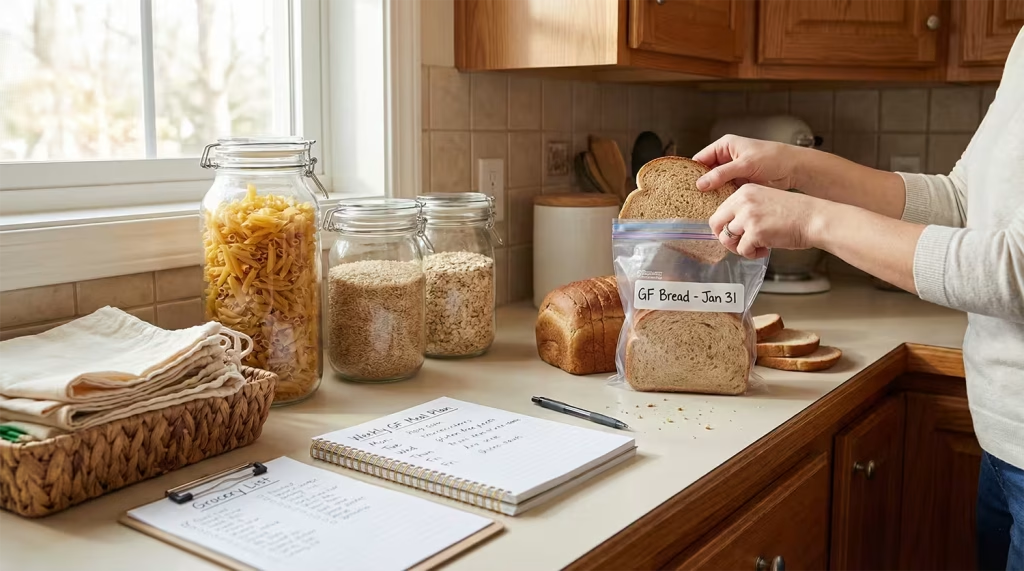
No matter where you shop, a few small habits can make a big difference in how much you spend on gluten-free food over the course of a year.
These are the strategies that actually work in real life — not extreme couponing or unrealistic meal plans.
1. Freeze What You Can (Especially Bread)
Gluten-free bread freezes beautifully, and most people don’t take full advantage of that.
- Slice before freezing so you can grab what you need
- Store in airtight bags to prevent freezer burn
- Toast straight from frozen — no thawing needed
This one habit alone can prevent waste and justify buying bread in bulk.
2. Always Check Unit Prices
Bulk isn’t always cheaper — especially with gluten-free products.
- Look at price per ounce or per pound, not just the sticker price
- Smaller packages sometimes win, especially if food goes unused
- Re-check prices occasionally — they do change
Being gluten-free means being a little more intentional, but it pays off.
3. Use Aldi for Low-Risk Experimenting
Not every new gluten-free product is a hit — and that’s okay.
- Try new items in smaller quantities
- Save bulk buying for products your family already loves
- Avoid the guilt of wasting large packages
Aldi is perfect for testing before committing.
4. Watch Seasonal Gluten-Free Expansions
Both Costco and Aldi tend to expand their gluten-free offerings around holidays.
- Baking season often brings better GF flour options
- Limited-time items may not return for months
- Stock up on favorites when you see them
If you find something your family loves, don’t assume it’ll always be there.
5. Build Meals Around Naturally Gluten-Free Foods
The most budget-friendly gluten-free meals often start with:
- Proteins (meat, poultry, eggs, beans)
- Vegetables
- Rice or potatoes
Use packaged gluten-free products as helpers — not the foundation of every meal.
6. Plan One “Stock-Up” Trip and One “Flex” Trip
This mindset alone simplifies everything:
- One planned trip (usually Costco) for staples
- One flexible trip (usually Aldi) for fresh items and fill-ins
Less impulse buying. Less stress. More control.
Saving money gluten-free isn’t about depriving yourself — it’s about being intentional. When you know which store to use for which items, you stop feeling like gluten-free eating is constantly working against your budget.
A little planning goes a long way — and your future grocery bills will thank you for it.
The Real Win: Shopping Gluten-Free With Confidence
If there’s one takeaway from this Costco vs. Aldi comparison, it’s this: being gluten-free doesn’t mean you have to feel stuck, stressed, or overcharged every time you grocery shop.
Both stores bring real value to the table — just in different ways. Costco shines when it comes to long-term savings, bulk staples, and feeding families who rely heavily on gluten-free bread, baking ingredients, and freezer meals. Aldi steps in as the everyday hero, making gluten-free eating feel more approachable, flexible, and budget-friendly without requiring a membership or major planning.
The key isn’t choosing one store forever — it’s knowing when to use each one.
When you stop chasing the “perfect” gluten-free store and start shopping with intention, something shifts. Your grocery trips feel easier. Your budget feels more predictable. And gluten-free eating starts to feel less like a constant compromise and more like a rhythm that actually works for your life.
That’s the real win.
Because the best gluten-free pantry isn’t just about price — it’s about peace of mind, confidence in what you’re feeding your family, and knowing you’re making choices that support both your health and your budget.
And that’s always worth it.
