
Going gluten-free changes your life in ways you expect — and in ways you never see coming. Most people talk about the relief, the clearer skin, the settling of the stomach. But no one really talks about the hidden side of this lifestyle… the parts that tug at your wallet, your emotions, and even your relationships.
When our family first made the switch, I thought the biggest challenge would be learning new recipes. I had no idea how many small, invisible “costs” would show up along the way. The sticker shock in the grocery aisle. The mental load of reading every ingredient label — twice. The awkward moments at birthday parties, potlucks, and family dinners. Even the feeling of being “that parent” who asks too many questions at a restaurant.
If you’re living gluten-free, you’ve probably felt these things too — even if you’ve never said them out loud.
This article pulls back the curtain on the real financial, emotional, and social costs that come with gluten-free living. Not to discourage you… but to help you feel seen, supported, and equipped.
Because once you understand these hidden challenges, you can finally take back control — and make gluten-free living feel lighter, simpler, and a whole lot more joyful.
The Financial Cost: Why Gluten-Free Often Means Paying More
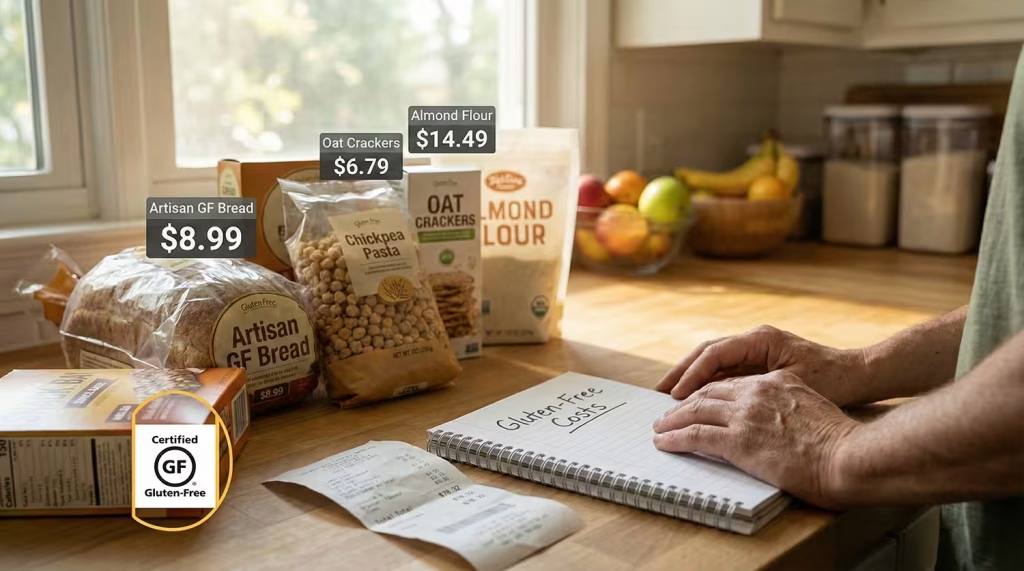
Living gluten-free doesn’t just change how you eat — it changes how you budget. And if it feels like everything with a “GF” label is mysteriously more expensive, you’re not imagining it. There are real reasons behind those higher price tags, and understanding them can help you make smarter choices without feeling overwhelmed.
Why Gluten-Free Costs More
Gluten-free products often come with what I call the “specialty product tax.” The ingredients are different, the production is different, and the safety standards are different — and all of that drives up the price.
A few things happen behind the scenes that most shoppers never see:
- Ingredient sourcing is tougher. Almond flour, cassava flour, coconut flour, arrowroot — these aren’t mass-produced like wheat, so they naturally cost more.
- Manufacturers often run smaller batches. Less volume = higher cost per unit.
- Dedicated gluten-free facilities are expensive. Companies need separate equipment or intense sanitizing protocols.
- Certification and testing add up. Third-party gluten-free certification is strict, and brands pass those costs directly to consumers.
When you add it all together, gluten-free food becomes its own category — one that costs more to make and more to buy.
Grocery Store Reality
Walk into any store and you can feel the price difference immediately. A regular loaf of bread might be $3. A gluten-free loaf? Easily $6–$9. The same goes for pasta, cereal, crackers, and snacks.
Even store-brand gluten-free products often come with higher prices than their wheat-based equivalents. And the name-brand options? Sometimes double.
Here are five of the most overpriced gluten-free grocery items you’ll see again and again:
- Gluten-free bread
- Gluten-free bagels
- Packaged cookies and snacks
- Gluten-free frozen pizzas
- Boxed baking mixes
These items add up fast — especially for families feeding multiple gluten-free eaters.
Eating Out: The Hidden Fees
Restaurants can be another shock. Many places charge extra for gluten-free substitutes like buns, wraps, or pizza crusts. Sometimes it’s $1–$3… sometimes it’s more.
Part of this is due to cost. Part of it is due to labor. Safe preparation takes extra steps, extra time, and extra staff attention.
The challenges you’ll run into include:
- Gluten-free upcharges for buns, pasta, or crusts
- Limited menu options, which often means picking the pricier entrée
- Prep precautions (clean pans, fresh gloves, separate cooking areas) that add labor costs
Here are common GF upcharges you’ll see at restaurants:
- Gluten-free pizza crust: +$2–$4
- Gluten-free bun on a burger or sandwich: +$1–$3
- Gluten-free pasta substitute: +$2–$5
- “Dedicated” gluten-free meal prep fees at certain restaurants
It all adds a little pressure every time you go out to eat.
Smart Strategies to Reduce the Financial Burden
The good news? You can make gluten-free living far more affordable without sacrificing safety or flavor. Small habits make a big difference.
Try focusing on a few simple strategies:
- Batch cook and freeze meals. One cooking session = multiple “grab-and-go” dinners ready to reheat.
- Buy staple gluten-free flours in bulk. Almond flour, oat flour (certified GF), cassava flour — bulk prices save serious money.
- Build meals around naturally gluten-free foods. Rice, quinoa, potatoes, meat, eggs, beans, produce — simple, healthy, and cheaper.
- Use AI-powered gluten-free tools. Our recipe generator and label scanner cut guesswork and reduce waste.
- Create a weekly meal plan. Planning avoids impulse buys and last-minute takeout (which is where costs explode).
With a little structure and the right tools, the financial side of gluten-free living becomes far more manageable — and even empowering.
The Emotional Cost: Stress, Decision Fatigue & Fear of Eating Something Wrong
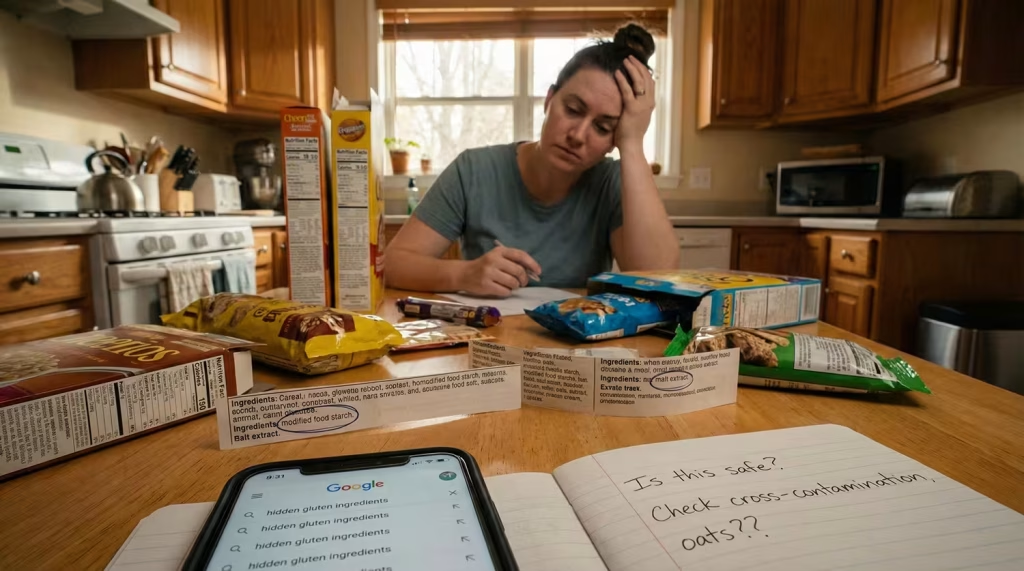
Most people think gluten-free living is all about swapping bread, switching pasta, and learning new recipes. But the emotional side? That’s the part no one prepares you for. And if you’ve ever felt overwhelmed, anxious, or just tired from managing it all… you’re not imagining it. Gluten-free living comes with real mental weight.
The Mental Load No One Talks About
Every meal becomes a safety check. Every label becomes a mini investigation.
You’re constantly reading ingredients, scanning for hidden gluten, and second-guessing products you’ve bought a dozen times before. And when symptoms randomly flare, you can’t help but wonder, “What did I miss?”
That guilt and self-blame can sneak in fast — especially for moms trying to protect their kids.
It’s a lot to carry.
Decision Fatigue Is Real
When you’re gluten-free, small decisions stop feeling small.
Which brand is safe? Did the restaurant cook it right? Should you risk trying something new today — or play it safe… again?
Eventually, the constant vigilance becomes exhausting. Social events feel like strategy meetings. Traveling requires full-on game planning. Even weeknight dinners can feel mentally heavy because every choice requires extra steps.
You’re not being dramatic — your brain is genuinely working harder.
The Grief of Letting Go
No one tells you that going gluten-free sometimes feels like saying goodbye.
You miss old comfort foods. You miss the easy spontaneity of grabbing something on the go. You miss traditions — like your favorite holiday rolls or your grandmother’s cookies.
And at family gatherings, it’s easy to feel “different,” even when everyone is trying their best. That quiet grief is real… and valid.
How to Protect Your Mental Health
You can’t eliminate the emotional weight entirely, but you can make it lighter.
A few strategies that truly help:
- Create a list of safe restaurants so eating out feels less stressful
- Rotate simple weekday meals you already trust
- Use planners or gluten-free apps to reduce daily decision-making
- Keep safe snacks everywhere — car, purse, backpack
- Join supportive GF communities where people actually understand the struggle
- Track symptoms so you don’t fall into fear guessing games
And most importantly, celebrate the small wins. Every day you feel more comfortable, confident, and symptom-free is a victory worth noticing.
The Social Cost: Isolation, Awkward Moments & Relationship Tension

Going gluten-free doesn’t just change your kitchen — it changes your social life. Suddenly you’re the one asking the extra questions, scanning menus for hidden ingredients, and quietly wondering if anyone else notices how hard you’re trying. Gluten-free living can make even simple moments feel complicated, and if you’ve ever felt awkward or alone because of it… you’re far from the only one.
Feeling Like a Burden
This is one of the hardest hidden costs — the feeling that you’re “inconveniencing” people.
You ask a friend what’s in the casserole. You bring your own food to a birthday party. You remind family members (again) that crumbs actually matter.
You’re not being picky. You’re being safe. But it can still feel uncomfortable having to ask for accommodations every time you leave the house. And when people don’t fully understand the seriousness of cross-contamination, the pressure gets even heavier.
Dating & Relationships
Gluten-free living can add layers to your relationships that you never expected.
Picking restaurants requires more planning. Explaining your dietary needs can feel repetitive. And if you have an unsupportive partner or family member, the emotional load doubles.
Even well-meaning people can unintentionally minimize the struggle — which makes communication incredibly important. Choosing gluten-free is choosing your health, and anyone close to you should support that.
Social Events & Holidays
Parties, potlucks, school events, and holidays all become more strategic than spontaneous. You’re thinking about the food, the prep, the utensils, the shared surfaces — while everyone else just shows up and eats.
Here are five social situations that often cause gluten-free stress:
- Potlucks where ingredient origins are unclear
- Kids’ birthday parties with shared cake and snacks
- School events with buffet-style setups
- Traveling with friends who don’t eat gluten-free
- Family holidays centered around traditional recipes
These moments aren’t impossible… they just take extra navigating.
How to Strengthen Your Social Life
The goal isn’t to avoid social situations — it’s to feel confident in them.
A few practical ways to make things easier:
- Communicate clearly but kindly. A simple, “I’d love to join! I just need to double-check ingredients,” goes a long way.
- Offer to bring a GF dish. It takes pressure off the host and guarantees you have something safe.
- Share simple swaps. Sometimes people want to help… they just don’t know how.
- Use humor and confidence. It keeps things light and helps others feel comfortable too.
- Teach your kids advocacy early. Even young kids can say, “Is this gluten-free?” with pride.
You don’t have to shrink your life to fit gluten-free living. With a little preparation and the right mindset, you can stay social — and stay safe — without the stress running the show.
The Hidden Upside: How These Challenges Can Actually Make Life Better
It’s easy to focus on what gluten-free living takes away — the extra costs, the emotional weight, the complicated social moments. But there’s another side that often sneaks up on you once the dust settles. And honestly? It’s one of the most beautiful parts of this lifestyle.
Going gluten-free can make you more intentional. More aware. More connected to your body and your family’s well-being. These challenges, as frustrating as they are at times, actually set the stage for habits and strengths you may not have developed otherwise.
Suddenly, you’re cooking more at home — and your meals are healthier and fresher. You notice your energy improving. Your kids learn what ingredients are, how to read labels, and why whole foods matter. Your pantry becomes cleaner, simpler, and more organized. And you gain a deeper appreciation for the foods that love you back.
Here are some unexpected benefits gluten-free families experience:
- Better overall eating habits
- More home-cooked meals
- A deeper understanding of ingredients
- Clearer skin, improved digestion, and better energy
- Stronger family teamwork in the kitchen
- A supportive gluten-free community that actually “gets it”
Living gluten-free isn’t just about avoiding something painful — it’s about discovering a version of life that’s healthier, intentional, and surprisingly rewarding.
Practical Tips to Lighten Every “Cost” of Gluten-Free Living
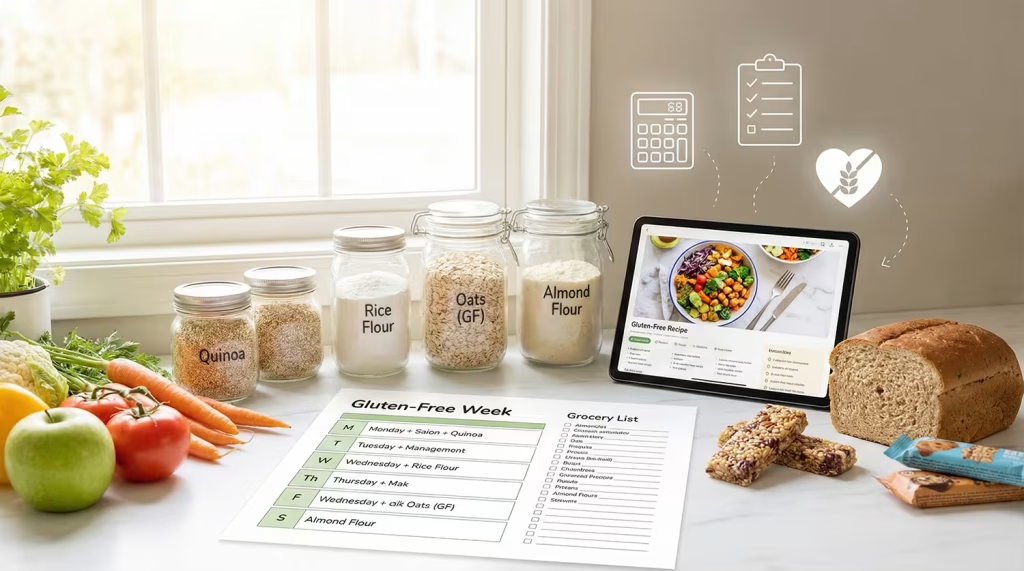
The gluten-free lifestyle will always come with a few extra challenges — but it doesn’t have to feel heavy. A handful of smart habits can make the financial, emotional, and social sides of gluten-free living feel lighter, easier, and far more manageable. These are the little changes that add up to big relief.
Financial Tips
A few simple shifts can make gluten-free eating much more budget-friendly:
- Use a repeating grocery list. It keeps you focused and helps avoid pricey impulse buys.
- Build meals around naturally gluten-free foods. Rice, beans, meats, potatoes, veggies — all affordable and naturally safe.
- Buy staple flours in bulk. Almond, cassava, and certified gluten-free oat flour stretch your dollar when bought in larger bags.
- Shop online for deals. Thrive Market, Amazon, and even Costco often have better GF prices.
- Compare brands before committing. Some gluten-free items taste nearly identical but cost half as much.
These habits alone can cut your grocery bill more than you’d expect.
Emotional Tips
The emotional load doesn’t disappear overnight, but you can make it much easier to carry:
- Create simple weekly meal rhythms. Taco night, pasta night, soup night — reduce decisions, reduce stress.
- Keep safe snacks everywhere. A snack in your purse or car can stop an anxious moment fast.
- Use planners, checklists, or GF apps to take the thinking off your plate.
- Track symptoms. When you know what’s working, you can stop guessing and start breathing again.
Small routines genuinely calm the mind and help you feel more in control.
Social Tips
Staying gluten-free doesn’t mean shrinking your social life. It just means preparing differently:
- Have a go-to explanation ready. Something simple like, “I eat gluten-free for health reasons, so I just need to double-check ingredients.”
- Bring your own dish to gatherings. You’ll always have something safe — and often others enjoy it too.
- Teach family and friends the basics. Most people want to help… they just need a little direction.
- Keep a “party-safe” treat on hand. No more feeling left out at birthdays or celebrations.
Once you find your rhythm, social situations feel much less intimidating.
The True Cost of Gluten-Free Living — And How to Make It Lighter
Living gluten-free comes with challenges that most people never see. The grocery bill that jumps. The mental load that never seems to turn off. The social moments that suddenly feel more complicated than they should. These things are real — and they deserve to be acknowledged.
But here’s the part I want you to hold on to: you don’t have to carry these costs alone. With the right habits, helpful tools, and a bit of planning, gluten-free living can become simpler, calmer, and even more joyful than before. You start building confidence in the kitchen. You find restaurants that feel safe. You learn to speak up with ease. And little by little, the lifestyle that once felt heavy becomes something empowering.
Whether you’re newly gluten-free or years into the journey, remember this: every challenge you face is shaping a healthier, more intentional version of your life. And here at LetsGoGlutenFree.com, we’re right here walking with you — offering recipes, guidance, tools, and support every step of the way.
