
Please raise your hand if the gluten-free meal that you prepared has no taste. Like, none at all. Just bland as heck. We see a lot of hands raised, which is the topic of today’s conversation—cooking without gluten forces us to omit the one ingredient that is holding the flavor hostage.
But we don’t have to suffer in silence or eat tasteless food! What’s the solution? Herbs. Homegrown herbs. Real, fresh, -grown-in-sunlight beauties.
Herbs pack a powerful punch of flavor, and they don’t rely on gluten-heavy sauces or premade seasoning mixes. And growing your own? It means that you’ll always have something tasty—and totally safe—to add to your meals. It’s cheaper than buying those pre-packaged herbs in their sad little plastic tubs and way more satisfying.
Which herbs are worth growing? How can you harvest and store them? And what are the best ways to use them in gluten-free dishes you’ll want to eat two or three times a week? Let’s find out!
Why Fresh Herbs Matter in a Gluten-Free Diet
In a gluten-free kitchen, herbs do a lot of OT work in the taste and health department! Here’s how:
- They make bland food taste so much better. If you’re skipping soy sauce, bouillon cubes, and certain spice blends, fresh herbs get the flavor back naturally and safely.
- They’re good for your body. A lot of herbs are anti-inflammatory, support digestion, and bring a healthy dose of antioxidants with them.
- They take the guesswork out of the equation. Store-bought spice mixes are hit or miss—hidden gluten usually finds its way into flavor packets. Fresh herbs are simple, pure, and there is no label reading necessary.
Best Herbs to Grow for Gluten-Free Cooking
You don’t have to live on acres, plant a big garden, or have a green thumb. A few small pots and a sunny window are all it takes! The herbs listed below are easy to grow, super versatile, and make gluten-free cooking so much less boring.
- Basil: Amazing for pesto, tomato sauces, and adding to gluten-free pizza.
- Oregano: Add it to marinades, roasted vegetables, or pasta dishes. It’s hearty and really hard to mess up.
- Thyme: Subtle but powerful. You can use it in stews, soups, and anything that’s slow-cooked.
- Rosemary: Earthy and strong. A wonder herb for potatoes, poultry, and gluten-free breads.
- Parsley: Light, fresh, and perfect in tabbouleh-style salads or sprinkled over eggs and rice.
- Chives: Snip into eggs, dips, or dairy-free sour cream for a mild oniony bite.
- Mint: Sweet and cool. Great in drinks, fruit salads, or with fresh spring rolls.
- Cilantro: A must for tacos, curries, and anyone who doesn’t think that it tastes like soap.
How to Harvest, Dry, and Store Your Herbs
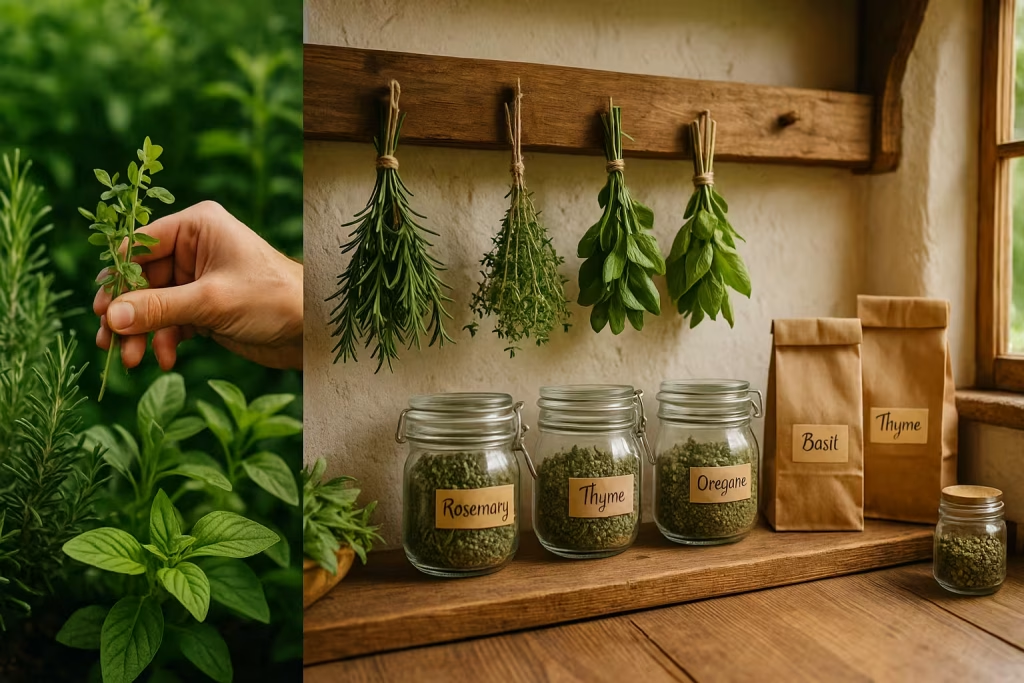
Your herbs are sprouting, so now what? Here’s how to harvest those delicate babies without ruining them, how to keep them fresh, and stretch the flavor out all year long.
- Harvest smart! Snip herbs in the morning after the dew dries but before the sun gets too strong. Cut above a leaf node in order to encourage regrowth.
- Dry them fast! Air drying is great for herbs like rosemary and oregano. For softer herbs (like basil), you should use a dehydrator or pop them in the oven at a low temperature.
- Store fresh or long-term. Keep fresh herbs in a jar with water in the fridge, or you can freeze them in olive oil or water using ice cube trays. Dry herbs should be stored in airtight glass jars that are away from heat and light sources.
- Make your own gluten-free herb blend! Mix dried basil, oregano, thyme, garlic powder, and parsley. It tastes better than the store-bought stuff, and you know there’s no mysterious fillers.
Creative Ways to Use Herbs in Gluten-Free Cooking
Fresh herbs aren’t a weird garnish that you bat away with a utensil when it arrives on your food at a restaurant (you know you’ve done this; we all have). They can totally alter the flavor of a dish. Below is how to use them in every type of meal:
- Soups & Stews: Add rosemary and thyme for a comforting, slow-cooked flavor.
- Salads & Dressings: Use cilantro, mint, or parsley to bring brightness and tang to greens and vinaigrettes.
- Pasta & Grains: Blend basil into pesto, toss gluten-free pasta with herb-infused olive oil, or finish off rice bowls with chopped parsley.
- Proteins & Marinades: Rub rosemary or oregano into chicken or tofu. Add thyme to those lemony seafood dishes.
- Snacks & Appetizers: Mix chives into dips, bake rosemary into gluten-free crackers, or stir herbs into focaccia dough.
- Desserts & Drinks: Mint is lovely in iced tea, lemonade, and smoothies. Basil in a fruit salad? It sounds weird, but it’s delicious.
Kid-Friendly Gluten-Free Recipes Using Herbs
Getting kids to eat herbs is not as hard as you think it is. And if they make a face at green stuff? You can sneak them into the snacks that they already like.
- Mini Meatballs with Herbs: Add chopped parsley or oregano to ground turkey or beef. Bake and dip.
- Cheesy Herb Biscuits: Use gluten-free flour, shredded cheese, and chives or thyme. They’re snackable and freezer-friendly.
- Homemade Ranch Dip: Mix Greek yogurt or dairy-free sour cream with garlic, dill, chives, and parsley. Serve with veggies or GF pretzels. We’ve never met a kid who doesn’t like Ranch!
- Lemon-Mint Popsicles: Steep fresh mint leaves in lemon juice, lightly sweeten, and freeze. These are great for summer drives (make sure you have napkins in the car) or after-school treats in the hotter months.
Growing Herbs Year-Round: Indoors or Outdoors
The best part about herbs (besides the taste)? You can grow them almost anywhere!
- Containers & Soil: Use clay pots, mason jars, or recycled food containers. Just make sure that there’s drainage.
- Light & Water: Most herbs need at least 6 hours of light per day, so windowsills work, or you can use a cheap grow light. Water the soil when it feels dry about an inch down.
- Regrow & Rotate: Don’t toss your grocery store herb clippings! A lot of them can be rooted in water and replanted. Basil, mint, and cilantro all regenerate quickly.
Conclusion: Some Green Goes a Long Way
You don’t have to overhaul your pantry to make gluten-free cooking taste amazing. All you need is a few potted herbs, know how to harvest and use them, and BAM! Your meals will have more color, more flavor, and freshness, and there are no sketchy ingredients—just flavorful food.
Here’s how herbs are going to change the way you eat:
- Growing your own herbs is easy, affordable, and saves you trips to the grocery store.
- Fresh herbs boost flavor and don’t rely on sauces or seasoning blends that can hide gluten.
- You can use herbs in everything. Pasta? Herbs. Dessert? Herbs. Snacks? You guessed it, herbs.
- Start out with one or two and build your own mini herb garden as you go!
Ready to start putting some flavor back into your meals with herbs? Check out our AI Gluten-Free Recipe Generator and get a custom meal plan where you can use what’s sprouting on your windowsill!
