
Walk down the gluten-free aisle today, and you’ll see a rainbow of snack bags and frozen boxes all shouting the same thing: GLUTEN-FREE! But somewhere between the bright packaging and the promises of “better-for-you” indulgence, something important got lost.
The gluten-free movement didn’t begin as a diet fad. It began as a lifeline—a way for people with celiac disease and gluten sensitivities to eat safely again. But once Big Food realized “gluten-free” could be profitable, the mission slowly changed.
Now, the gluten-free label often hides a very different reality: ultra-processed foods loaded with starches, gums, seed oils, and sugar—designed more for shelf life than for health. What started as a fight for wellness has turned into a billion-dollar marketing game.
This article digs into how major corporations hijacked the gluten-free movement, what got diluted in the process, and how you can reclaim it in your own kitchen.
TL;DR — Here’s What You’ll Learn:
- Big Food followed the money. As gluten-free demand grew, major corporations jumped in and reshaped the market.
- The meaning of “gluten-free” got blurred. Marketing turned it from a health necessity into a trendy label slapped on processed junk.
- You can take it back. With a few smart shopping habits and label-reading tricks, it’s still possible to eat gluten-free and truly healthy.
What “Gluten-Free” Really Means
Let’s start with the basics. Gluten is a group of proteins found in wheat, barley, and rye. It’s what gives bread its stretch and structure—but for millions of people, it’s also what causes serious health problems.
For those with celiac disease, gluten triggers an autoimmune reaction that damages the small intestine and prevents the body from absorbing nutrients properly. Even tiny amounts—think crumbs—can cause inflammation, pain, and long-term harm. Others may experience non-celiac gluten sensitivity (NCGS) or a wheat allergy, which can still lead to digestive issues, brain fog, or skin problems after eating gluten-containing foods.
In the United States, the FDA allows products to be labeled “gluten-free” if they contain less than 20 parts per million (ppm) of gluten. That threshold is considered safe for most people with celiac disease, but here’s where things get tricky: not every brand plays by the same standards. Some test every batch, others test ingredients only occasionally—and some don’t test at all.
So when you see “gluten-free” on a label, it doesn’t always mean it’s completely free of gluten or safe for everyone. It’s a helpful signal, but not a guarantee.
Common Misunderstandings About “Gluten-Free” Labels
- “Gluten-free” ≠ “Healthy.” A product can be gluten-free and still full of sugar, seed oils, or starches.
- “Made in a facility with wheat” doesn’t automatically mean unsafe, but it does increase the risk of cross-contact.
- Oats are naturally gluten-free, yet often contaminated unless specifically labeled and processed in dedicated GF facilities.
- “Certified Gluten-Free” means a third-party organization verifies testing; a simple “GF” logo might just be marketing.
- Ingredients matter more than logos. Always check the list—especially for malt, barley, or “natural flavors” that can hide gluten.
Being gluten-free isn’t about chasing a trend or buying special versions of everything. It’s about avoiding hidden gluten while choosing foods that truly nourish your body—real, whole ingredients over flashy packaging.
In short: the goal isn’t just to go gluten-free. The goal is to go smart gluten-free.
From Lifeline to Profit Center: The Rise of Gluten-Free
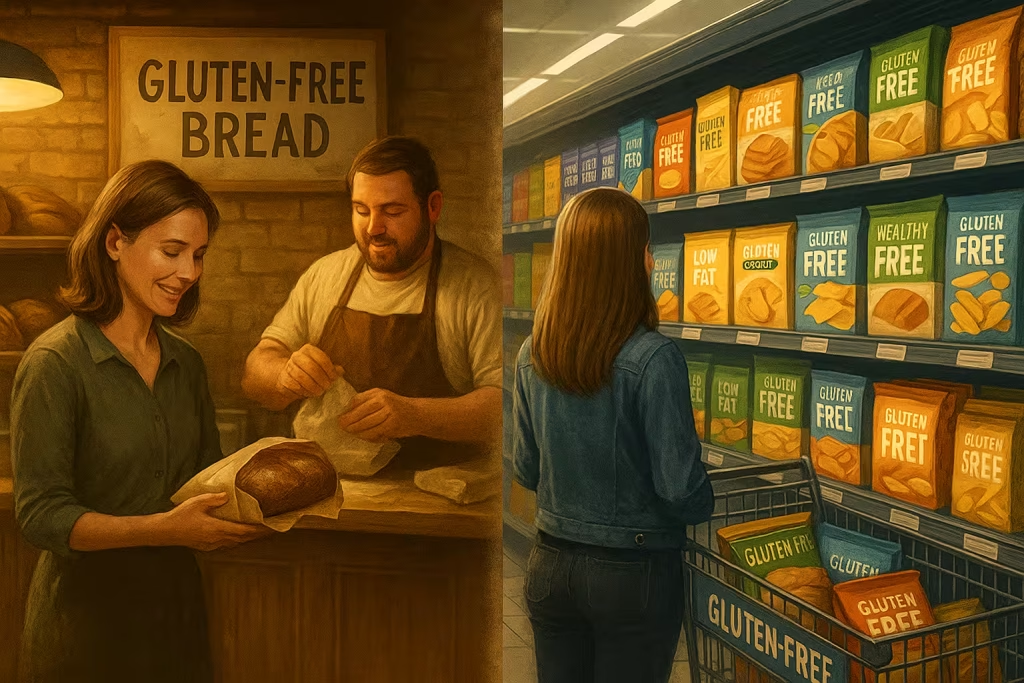
In the early 2000s, being gluten-free wasn’t a lifestyle choice—it was a survival plan. You couldn’t stroll into a big-box store and grab a loaf of gluten-free bread. You had to order it online or drive to a small health food shop that carried maybe one brand. It was expensive, crumbly, and honestly… not that great. But for people with celiac disease, it was worth every penny.
Those early brands—like Udi’s, Enjoy Life, and Schär—were founded with one mission: to help people eat safely again. They focused on simple ingredients and transparency. It wasn’t about taste trends or Instagram-worthy packaging; it was about giving families their lives back.
Then something changed. As awareness of gluten intolerance grew, so did curiosity. People began linking gluten-free diets to better digestion, clearer skin, or weight loss. Mainstream media and celebrity endorsements poured fuel on the fire, and suddenly “gluten-free” became the newest health buzzword.
That’s when Big Food showed up.
Between 2012 and 2020, the gluten-free market exploded—from niche necessity to multibillion-dollar opportunity. Large corporations like General Mills, Kellogg’s, and Nestlé either bought out smaller GF brands or created their own gluten-free lines to ride the wave. They had the money, marketing power, and shelf space to dominate quickly—and they did.
The Timeline of Takeover
- 2000–2007: Gluten-free remains a niche medical category. Health stores and local bakeries dominate.
- 2008–2012: Awareness of celiac and gluten sensitivity rises sharply. Bloggers and early influencers build trust in the GF space.
- 2013–2016: Corporate food giants acquire or replicate GF brands. The “free-from” trend becomes a major selling point.
- 2017–2020: Gluten-free products flood grocery stores, often as ultra-processed snacks and sweets.
- 2021–Present: The label “gluten-free” becomes more about marketing than medical safety.
The logic for corporations was simple: gluten-free products could be sold at premium prices with lower ingredient costs—a perfect recipe for profit. By the time the movement hit mainstream grocery aisles, it was less about wellness and more about margin and market share.
Why Big Food Jumped In So Fast
- High Profit Margins: Consumers were willing to pay extra for “gluten-free” anything.
- Health Halo Effect: The label carried instant credibility, even on junk food.
- Lifestyle Appeal: Gluten-free became synonymous with clean eating and diet culture.
- Scalability: Processed gluten-free foods could be mass-produced with cheap starches and long shelf lives.
- Brand Expansion: Big Food could easily spin off GF versions of existing products to attract new buyers.
By 2025, “gluten-free” is everywhere—but its meaning has never been more diluted. What began as a small, passionate movement built around safety and nourishment is now a massive corporate category built around convenience and profit.
How Big Food Captured the Gluten-Free Aisle
Once Big Food realized “gluten-free” wasn’t just a dietary need but a golden marketing opportunity, the takeover began fast—and quietly. What started with a handful of small, mission-driven brands turned into an industry dominated by the same corporations behind soda, chips, and boxed cereals.
They didn’t just enter the gluten-free space; they rewrote the rules of it. Through marketing, manufacturing shortcuts, and strategic shelf control, they changed how gluten-free looks, tastes, and even what people think it means.
Let’s break down exactly how they did it.
1. Health-Washing by Association
One of the oldest tricks in Big Food’s playbook is pairing real wellness terms with empty labels. They figured out that if they stick “gluten-free” next to “organic,” “non-GMO,” or “plant-based,” people will assume it’s healthy.
You’ve probably seen it: a bright box of cookies labeled “Gluten-Free! Made with Ancient Grains!” But flip it over, and it’s mostly tapioca starch, sugar, and palm oil. The “ancient grains”? A sprinkle of quinoa flour to make it sound nutritious.
Common “Health-Washed” Marketing Phrases to Watch For:
- “Gluten-Free + Multigrain” (usually refined starch + sugar blend)
- “High Protein” (from isolates, not real food)
- “Made with Ancient Grains” (often less than 5% included)
- “Plant-Based” (which can still mean ultra-processed)
- “Wholesome Snacking” (just creative sugar talk)
The goal isn’t to inform you—it’s to blur the line between healthy and profitable.
2. The Ultra-Processed Food Formula
Removing gluten isn’t as simple as taking out wheat flour. Gluten gives structure, chew, and texture. So, when it’s gone, food manufacturers fill the gap with starches, gums, emulsifiers, and seed oils to make products look and feel “normal.”
Here’s the problem: these ingredients might be gluten-free, but they’re far from healthy. Many spike blood sugar, disrupt gut health, and cause inflammation—especially when eaten often.
Common Red-Flag Ingredients in “Gluten-Free” Junk Foods:
- Modified food starch, potato starch, or tapioca starch
- Maltodextrin
- Xanthan gum + guar gum blends
- “Vegetable oil” (usually canola, soybean, or sunflower)
- “Natural flavors” (a vague umbrella for lab-made additives)
- High-intensity sweeteners or syrups
These formulas make products shelf-stable, not body-friendly. The result is a gluten-free aisle filled with ultra-processed foods that often do more harm than good.
3. Pricing and Shrinkflation
Once the gluten-free label became trendy, Big Food realized they could charge premium prices for cheaper ingredients. A $7 loaf of bread made mostly from starch and gums? Consumers still bought it—because it said “gluten-free.”
Meanwhile, serving sizes quietly shrank. Boxes got smaller, ingredient quality dropped, and “artisanal” marketing masked the fact that the cost-to-make stayed incredibly low.
Quick Comparison Example:
| Product Type | Traditional Version | Gluten-Free Version | Price Difference |
|---|---|---|---|
| Crackers | $2.99 (whole grain) | $5.99 (tapioca + rice starch) | +$3.00 |
| Bread | $3.49 (wheat) | $7.49 (starch + gum blend) | +$4.00 |
| Cookies | $3.19 | $6.29 | +$3.10 |
The “GF premium” became a marketing machine—and those who actually need gluten-free products ended up footing the bill.
4. Certification Theater
You’ve seen those little badges—“Certified Gluten-Free,” “Tested to Standard,” or “Made with Care.” Some are legitimate, backed by third-party testing. Others? Not so much.
Many corporations use certification language loosely, banking on the fact that most shoppers won’t question it. Some don’t test every batch or rely on ingredient suppliers’ claims instead of their own independent verification.
What to Look For Instead:
- Third-party certification logos (GFCO, NSF, or CSA)
- Transparency on testing frequency (ideally, every batch or lot)
- Disclosures about shared lines or facilities
- PPM level listed (below 20 ppm, ideally under 10 ppm)
If a company can’t clearly answer how they test or where they process their products, that’s a red flag.
5. Shelf Power and Retail Muscle
Even the best small gluten-free brands struggle to compete with Big Food’s slotting fees—the money companies pay to get their products in prime spots on store shelves. Large corporations can easily buy endcaps, middle-eye-level shelves, and promotional displays.
Independent GF brands with higher-quality ingredients are often pushed to the bottom shelf or cut from major retailers entirely. The result? The products most people need are hidden, while the ones built for profit are impossible to miss.
What You’ll Notice Next Time You Shop:
- Big-name brands dominate the middle shelves
- Colorful packaging designed to scream “healthy”
- Niche GF brands tucked away or discontinued
- Ingredient quality decreasing, prices increasing
The gluten-free aisle became less about accessibility and more about visibility—who could pay to play.
Big Food’s takeover wasn’t loud or obvious. It happened gradually, one product line at a time, until the gluten-free aisle looked like every other aisle in the store—just with different buzzwords.
But here’s the thing: you still have the power to choose differently.
What Got Lost Along the Way
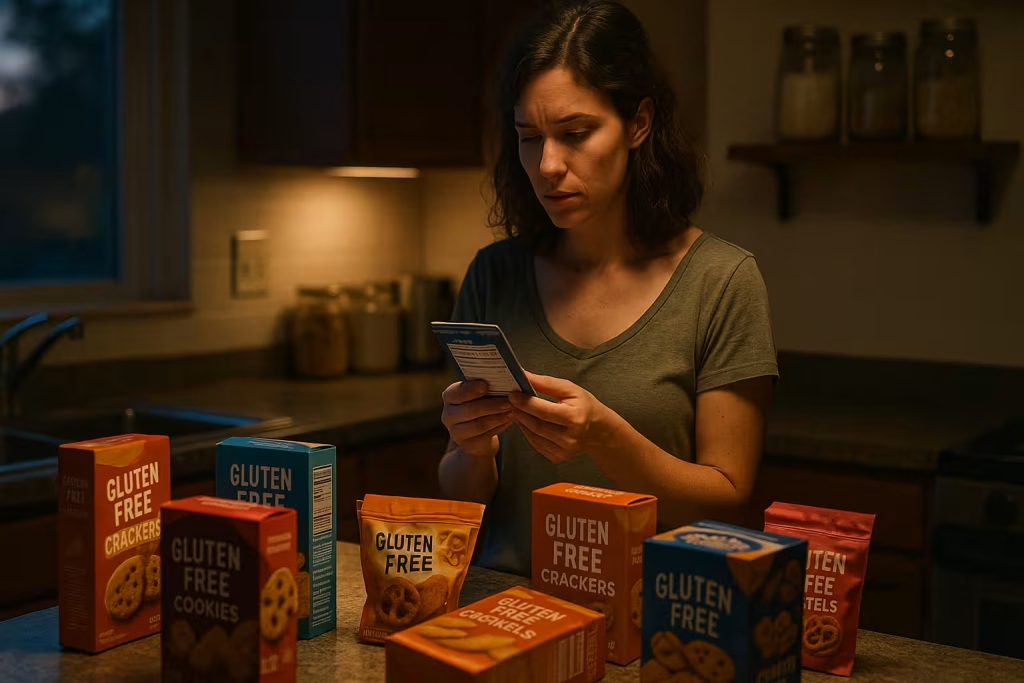
When the gluten-free movement first began, it wasn’t about trends, profits, or influencer hashtags. It was about survival and safety. Families were desperately searching for foods that wouldn’t make them sick, and every new gluten-free product felt like a small miracle. There was a real sense of community—people helping people navigate a confusing new world of food labels and hidden ingredients.
But once the market exploded and major corporations took over, that mission got buried under marketing and mass production. The gluten-free label stayed the same, but the heart behind it began to fade.
Today, the gluten-free aisle looks more like a playground for processed foods than a safe haven for those with medical needs. Many products that carry the GF label now have little to do with nourishment and everything to do with profit.
The problem isn’t just what’s been added to these foods—it’s what’s been lost.
Here’s What’s Been Lost in the Takeover
- Clarity
- “Gluten-free” used to mean safe for celiac or gluten-sensitive individuals. Now it’s become a trendy lifestyle term slapped on everything from candy bars to soda.
- Nutrition
- Early gluten-free foods aimed to be wholesome and digestible. Today, most are made from refined starches, seed oils, gums, and sugars—leaving little room for fiber, protein, or nutrients.
- Trust
- Small, mission-driven brands built loyalty through transparency. But as Big Food scaled up, shared facilities and vague labeling became the norm, making it harder to know what’s truly safe.
- Affordability
- The average gluten-free product now costs two to three times more than its gluten-containing counterpart. For families managing celiac or food allergies, that adds up fast.
- Purpose
- What began as a community devoted to healing has turned into another marketing category for convenience food. The soul of the movement—the heart that cared about health—has been replaced by corporate polish.
You can feel it in everyday shopping trips. A mom stands in the aisle, scanning ingredients on three different “gluten-free” snack bars, wondering which one will actually be safe for her child. A college student with celiac disease checks the label on a frozen meal, only to realize the “GF” logo doesn’t guarantee cross-contact safety.
The original goal of gluten-free wasn’t to create another aisle of processed food. It was to create freedom—for people to live, eat, and feel well again.
“The label stayed. The purpose drifted.”
What’s been lost can be found again—but it starts with awareness.
The Real-World Impact on Families
If you’ve ever stood in a grocery aisle with a cart full of gluten-free products and a sinking feeling in your stomach, you already know: the gluten-free label doesn’t always mean peace of mind anymore.
Families who once felt relief at finally having safe food options now feel overwhelmed and misled. The products have multiplied, but trust has faded. The labels are louder, but the food quality often isn’t better.
For parents, especially, this shift hits hard. Many of us remember what it was like when finding gluten-free food meant hope—a way to protect your child or finally eat without pain. Now, you have to scan labels like a detective, weighing the risk of cross-contact against the sugar and seed oils hidden inside.
The emotional toll adds up. You’re trying to do the right thing, but the food industry keeps moving the goalposts. It’s not just frustrating—it’s exhausting.
The Hidden Costs Families Face
- Financial Strain
- Gluten-free foods can cost double—or even triple—the price of standard products. What used to be a manageable grocery bill can now feel like a luxury. For families with multiple gluten-sensitive members, that cost compounds quickly.
- Nutrition Confusion
- Parents assume “gluten-free” means better. But many GF snacks for kids are highly processed—filled with starch, sugar, and additives that spike blood sugar and offer little real nourishment.
- Time and Energy Drain
- Reading every label, double-checking cross-contact statements, researching brands—shopping takes twice as long. The mental load of constantly worrying about contamination can feel relentless.
- Social Isolation
- Birthday parties, school lunches, and restaurants can become stressful instead of joyful. Families often have to pack their own food everywhere, which can make kids feel left out or “different.”
- Erosion of Trust
- Once you’ve been “glutened” by a product that claimed to be safe, it’s hard to trust any brand again. You become cautious—even suspicious—of every new item that lands in your cart.
For many, these struggles go beyond inconvenience—they touch every part of daily life.
Picture this: a mom rushing through the grocery store before school pickup, grabbing a box of gluten-free granola bars that say “made with ancient grains.” Later, she reads the fine print—“processed in a facility that handles wheat.” Now she’s second-guessing whether to let her child eat it at all.
Or think of the college student who thought going gluten-free would help her feel better, only to find herself living off processed “GF” frozen meals and feeling worse than before.
These moments are small, but they add up to something much bigger—a quiet frustration that the food industry has forgotten who the gluten-free movement was meant to serve.
“We wanted food we could trust. Instead, we got food that just looked the part.”
The real cost of Big Food’s takeover isn’t just money—it’s the erosion of confidence, community, and well-being for those who depend on gluten-free food to live normal, healthy lives.
But here’s the good news: we can start to rebuild that trust.
How to Spot Real Gluten-Free Food
If you’ve ever found yourself staring at two “gluten-free” boxes wondering which one is actually safe—or worth the price—you’re not alone. The gluten-free aisle has become a minefield of marketing. But the good news? Once you know what to look for, it gets a whole lot easier to spot the real thing.
Think of this as your label-reading survival guide—a cheat sheet to help you buy gluten-free food that’s not just technically safe, but genuinely nourishing.
1. Ingredient Hierarchy: Start at the Top
The first three ingredients on any label tell you almost everything you need to know. That’s where companies list what’s used the most.
If those ingredients are things like rice flour, tapioca starch, potato starch, or sugar, you’re basically eating filler. But if you see whole grains (like brown rice or quinoa), nuts, seeds, eggs, or real foods listed first—you’ve found a winner.
8 Quick Rules for Smarter Gluten-Free Shopping:
- 10 ingredients or fewer — shorter lists usually mean fewer additives.
- Whole food listed first — avoid starches and fillers in the top three.
- No vague “vegetable oils” — look for avocado, olive, or coconut oil instead.
- Certified gluten-free preferred — especially if you have celiac disease.
- Fiber ≥ 3g per serving — a sign of nutrient density.
- Added sugar ≤ 6g — hidden sugar is the #1 gluten-free trap.
- PPM transparency — the best brands disclose their testing levels.
- Ingredients you can pronounce — real food shouldn’t read like chemistry.
2. Label Decoder: Learn to Read Between the Lines
Not all gluten-free claims mean the same thing. Some are backed by strict testing and regulation, while others are just marketing.
Here’s a quick breakdown:
| Label | What It Means | What to Watch Out For |
|---|---|---|
| Certified Gluten-Free | Verified by a third party (e.g., GFCO, NSF, CSA). Usually safest. | Still check for added junk ingredients. |
| Gluten-Free (FDA label) | Less than 20 ppm of gluten. Doesn’t mean tested every batch. | Could be processed in shared facilities. |
| No Wheat Ingredients | Wheat-free, but may contain barley or rye. | Not safe for celiac disease. |
| Made in a Facility With Wheat | Possible cross-contact risk. | Ask the brand about cleaning protocols or testing. |
| Naturally Gluten-Free | Foods that never contained gluten (like rice, fruit, meat). | Cross-contact during processing is still possible. |
Pro Tip: The most trustworthy brands are proud to share their testing process. If you can’t easily find that information on their website or packaging, it’s usually a red flag.
3. Oil & Additive Awareness
Even if a food is gluten-free, it can still contain other inflammatory ingredients that make you feel sluggish or bloated. One of the biggest culprits? Refined seed oils—like canola, soybean, sunflower, or safflower oil. These oils are cheap, heat-sensitive, and often overused in processed gluten-free snacks and baked goods.
Better Options:
- Avocado oil
- Olive oil
- Coconut oil
- Butter or ghee (if tolerated)
And while we’re at it, watch for unnecessary gums and emulsifiers like carrageenan, polysorbate 80, or xanthan stacked with guar gum. They’re used to mimic gluten’s texture but can irritate sensitive guts.
4. Smart Pantry Swaps
You don’t have to give up convenience—just swap smarter. Once you start recognizing real food over filler, your pantry will naturally start to change.
Try these easy gluten-free upgrades:
| Swap This | For This |
|---|---|
| GF sandwich cookies | Dark chocolate + almonds or cashews |
| GF instant noodles | Rice noodles with broth, egg, and veggies |
| GF pancake mix | Homemade oat or almond flour blend |
| GF crackers | Brown rice cakes, seed crackers, or chickpea crisps |
| GF frozen meals | Batch-cooked grain bowls or soups you freeze yourself |
These swaps keep the comfort and simplicity—but with far fewer additives.
5. The 10-Second Label Test
When you’re in a hurry, try this shortcut. Flip the box, scan for these four red flags, and trust your gut:
✅ Whole food in the top 3 ingredients
✅ No vague “natural flavors” or “vegetable oils”
✅ Fiber above 3g, sugar under 6g
✅ Simple certification you can verify
If a product passes all four, it’s probably one you can feel good about eating.
Eating gluten-free doesn’t have to mean eating complicated—or expensive. Once you get used to spotting real food, you’ll be amazed at how many naturally gluten-free options exist around the edges of the store: produce, proteins, grains, beans, nuts, and seeds.
Those are the foods that fueled the gluten-free movement in the first place—simple, safe, and satisfying.
Eating Gluten-Free Without Breaking the Bank
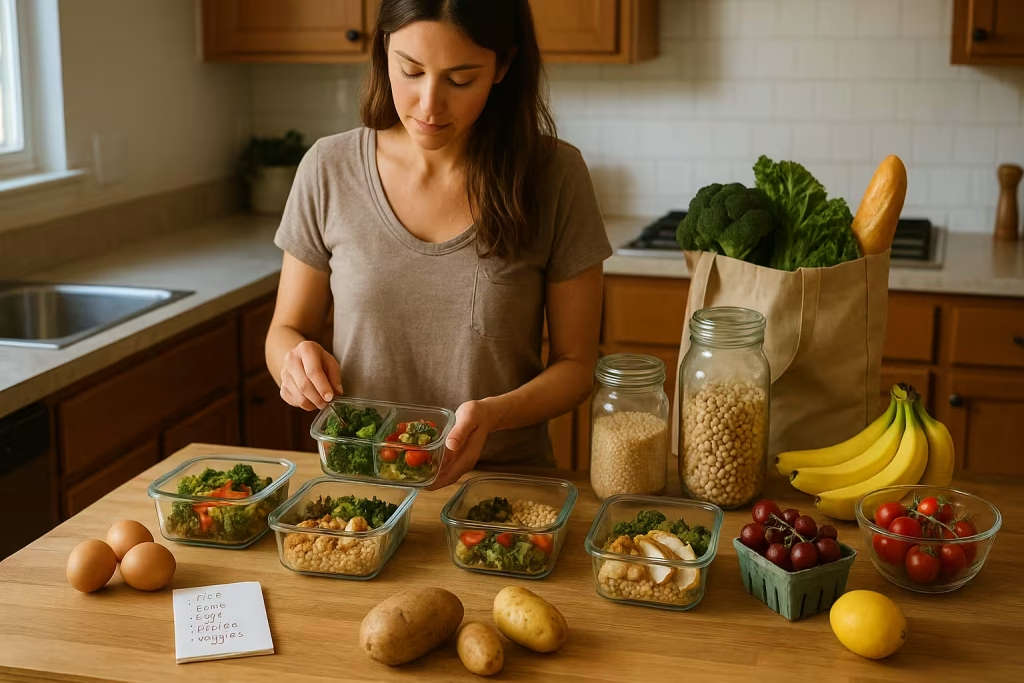
One of the biggest myths about gluten-free living is that it has to be expensive. It doesn’t. You just need to focus on naturally gluten-free whole foods.
Budget-friendly staples include:
- Rice, potatoes, quinoa, corn tortillas
- Eggs, beans, lentils, and canned tuna or salmon
- Seasonal produce and frozen veggies
- Homemade soups, stews, and rice bowls
7 Money-Saving Moves That Actually Work
- Skip specialty mixes—buy the base ingredients.
- Use store-brand certified GF products.
- Cook once, eat twice—batch-cook grains and proteins.
- Make sauces and dressings at home.
- Buy whole chickens and use leftovers creatively.
- Explore ethnic aisles for GF flours (masa harina, rice flour).
- Join a CSA or farmers market co-op for local produce.
You’ll not only save money—you’ll feel better eating foods your body recognizes.
Dining Out Without Falling for the Trap
Restaurants are catching on to gluten-free demand, but not all handle it safely. “GF” on a menu doesn’t mean cross-contact free.
Ask these questions before ordering:
- Is there a dedicated fryer for gluten-free foods?
- Do you use shared grills, cutting boards, or tongs?
- Are your sauces or seasonings made with flour?
- How do you prevent cross-contact in prep areas?
If the staff hesitates or seems unsure, it’s safer to choose a simple grilled protein, salad, or rice-based dish.
Whenever possible, support local spots that truly understand gluten-free preparation. You can also check community-driven listings on tools like our Gluten-Free Restaurant Finder to help others eat confidently.
The Way Forward: Taking Back the Gluten-Free Movement
The gluten-free movement didn’t begin with corporations or marketing teams. It began with real people—families, doctors, and advocates—trying to help those with celiac disease and gluten sensitivities live healthy, normal lives. Somewhere along the line, that purpose got buried under shiny packaging and profit margins.
But here’s the truth: we can take it back.
We can reclaim gluten-free as what it was always meant to be—a pathway to better health, healing, and mindful eating. It doesn’t have to be complicated or expensive. It starts with small, consistent choices made by individuals who care enough to look beyond the label.
How We Take It Back
- Buy from Transparent Brands
- Support companies that clearly publish their testing standards, ppm levels, and facility details. Vote with your wallet for honesty and integrity.
- Prioritize Whole Foods Over Processed Ones
- Naturally gluten-free foods—fruits, vegetables, rice, potatoes, beans, nuts, seeds—don’t need fancy labels or certifications. They’re inherently safe and nutrient-rich.
- Learn to Read Labels Like a Pro
- Look past buzzwords. Focus on ingredient order, added sugars, seed oils, and certifications. The more informed you are, the harder it is for marketers to fool you.
- Cook More Often at Home
- Cooking gives you total control over ingredients and cross-contact. It also reconnects you with the joy of real food. Even two home-cooked meals a week can make a difference.
- Share and Support
- Share your trusted GF finds online. Recommend small, mission-driven brands. Post reviews and help others navigate the confusing marketplace. Every share builds a stronger community.
- Hold Companies Accountable
- Don’t stay silent when you find misleading packaging or unsafe manufacturing. Contact brands, post public reviews, and advocate for clearer labeling. Change happens when consumers speak up.
The Bigger Picture
Reclaiming gluten-free isn’t just about our own health—it’s about protecting the next generation from misinformation. It’s about creating a world where our kids can grab a gluten-free snack without worrying about hidden ingredients or false promises.
And while Big Food may have hijacked the movement, they can’t own it—not as long as we stay informed, intentional, and united.
Because gluten-free was never supposed to be a marketing gimmick. It was meant to be a movement of hope, healing, and honesty.
Let’s bring that back—one meal, one label, and one conscious choice at a time.
FAQs
Still have questions about living gluten-free the right way? You’re not alone. Here are some of the most common questions readers ask about gluten-free eating, safety, and smart shopping—answered simply and honestly.
Is gluten-free automatically healthier?
No. Many GF packaged foods are just as processed as their gluten-containing counterparts.
Do I need everything to be certified gluten-free?
Certification offers the most protection, especially for celiac, but awareness and research go a long way.
Are oats safe?
Only when labeled gluten-free and sourced from dedicated GF facilities.
Are seed oils related to gluten?
No, but they’re common in processed GF foods and can be inflammatory for some people.
What gluten-free carbs are healthiest?
Brown rice, quinoa, sweet potatoes, and lentils—nutrient-dense and naturally GF.
How can I tell if a brand is transparent?
Check for ppm testing details, dedicated facilities, and real contact info on their site.
What about “made without wheat” labels?
That’s not the same as gluten-free; barley or rye could still be present.
Gluten-Free, Reclaimed
The gluten-free movement began with purpose—with people who simply wanted to eat safely, feel well, and live without fear. It was personal, pure, and built on community. But as Big Food swept in, that mission was watered down by marketing and profit. Somewhere between the slogans and snack aisles, we forgot what gluten-free was really supposed to mean.
The good news? We can take it back. Every choice you make—every label you read, every real-food brand you support, every meal you cook from scratch—pushes the movement back toward what it was meant to be: a way of eating that restores health and dignity, not just sells products.
So let’s return to the roots. Let’s value simple ingredients, small brands, and honest food. Let’s make gluten-free about nourishment again—not trends, not convenience, not empty promises.
Because when we reclaim the meaning behind gluten-free, we don’t just change what’s on our plates. We change the future of food—for everyone.
