
Gut is such an aggressive word, isn’t it? One syllable and three letters pack a powerful punch, and that’s only when you say it out loud.
And when we’re talking about your actual gut, you know, your digestive system, it becomes even more powerful. Because your gut is one of the main centers of your health, and if you want to heal it? You don’t have to spend a mint on probiotic supplements (looking at you, Align) or take on an intense protocol. You can do it by paying closer attention to what’s on your plate.
For the people who suffer from gluten sensitivity or Celiac disease, gluten is a major gut disruptor. Even without a diagnosis, gluten can aggravate an already sensitive system, as it contributes to symptoms like bloating, fatigue, skin flare-ups, and that foggy, run-down feeling that’s really hard to shake off.
Guess what? A gluten-free lifestyle is one of the easiest ways to start rebuilding your gut health from the inside out. How can you do it? We’ll spell it out for you from start to finish! From clearing out those pantry staples to stocking up on gut-friendly foods, you will be on your way to feeling more energized, less bloated, and like your best self again!
Why Gut Health Matters
Your gut does so much more than process food. It supports your immune system, influences your mood, and plays a starring role in managing inflammation throughout the entire body. So when your gut’s out of whack, the effects will ripple out in a few unexpected (and unpleasant) ways.
Gluten, in some people, can damage the lining of the gut, and that makes it easier for unwanted substances to leak into the bloodstream, which is called “leaky gut.” And that can trigger everything from brain fog and skin issues to autoimmune flare-ups.
If you’re wondering if your gut needs a reset, below are the most common signs:
- Frequent bloating or gas
- Irregular digestion (either way too fast or too slow)
- Food sensitivities
- Skin problems like acne or rashes
- Low energy or brain fog
If any of that sounds familiar, your gut might be waving a white flag that says, “SOS.”
How Gluten Affects the Gut
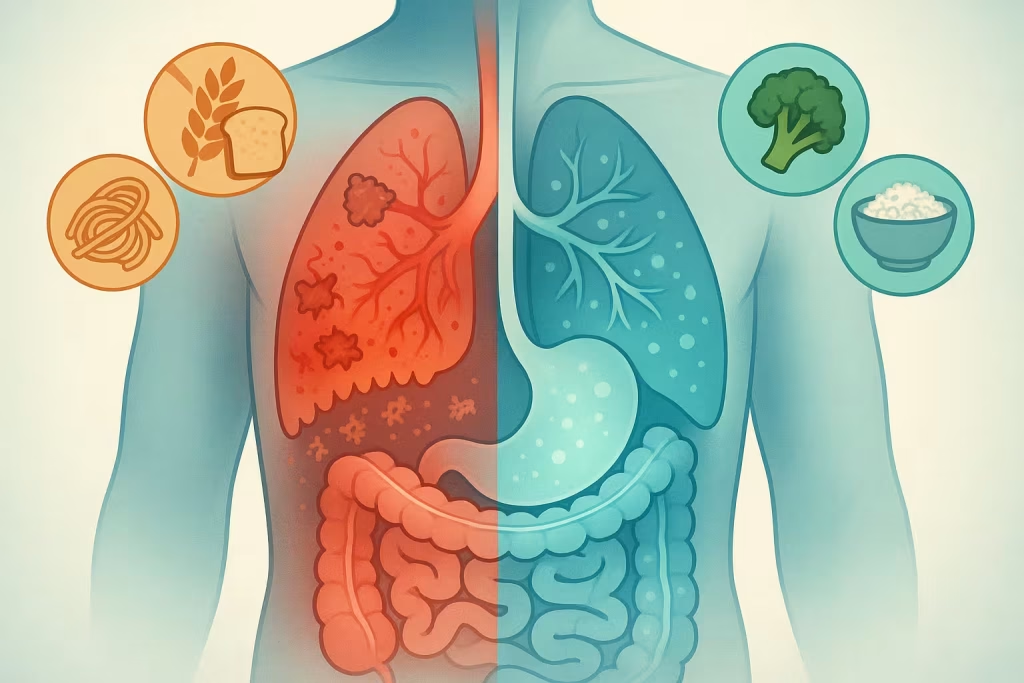
Ok, now for the science of it all. Gluten can increase intestinal permeability, meaning it weakens the barrier in your gut that’s supposed to keep out things that don’t belong in your bloodstream.
In Celiac disease, gluten triggers an autoimmune reaction that damages the gut lining. In non-Celiac gluten sensitivity, it doesn’t destroy the tissue, but it still causes inflammation, discomfort, and immune responses that will cause you to feel run down.
Even for people without a diagnosis, gluten can contribute to general gut irritation, particularly if your gut is already being stressed by processed foods, antibiotics, or daily stressors.
Removing gluten can give your digestive system the space to calm down and repair. And once you do that? Things could improve faster than you’d think!
First Steps to a Gluten-Free Lifestyle
Going gluten-free doesn’t have to be a total overhaul of your life. All you need to do is make some small changes, like the ones below:
- Step one: Go through your pantry. Say goodbye to anything that has wheat, barley, or rye.
- Step two: Restock with gluten-free staples, like rice, quinoa, certified GF oats, and naturally gluten-free snacks.
- Step three: Learn how to read labels. Gluten is lurking in places you wouldn’t expect (more on that below).
- Step four: Set small, doable goals for your first week. Start with one gluten-free meal per day, and then build from there!
Common foods that look safe but can contain gluten:
- Soy sauce
- Salad dressings and marinades
- Processed deli meats
- Some supplements and over-the-counter meds
Label reading will become your BFF and help you steer clear from any accidental gluten-ingestion setbacks.
Focus on Gut-Healing Foods
Removing gluten is one piece of the puzzle, but adding the foods that support gut repair is where the real change will happen.
Start with whole, simple foods that are easy on digestion and full of nutrients. These are anti-inflammatory, high in fiber, and loaded with good bacteria. Below are some gut-loving foods to have on hand:
- Bone broth: great for soothing the gut lining
- Cooked veggies: especially carrots, zucchini, and squash
- Fermented foods: sauerkraut, kimchi, and kefir
- Coconut yogurt: a great dairy-free probiotic source
- Chia seeds: gentle fiber and so good for digestion
- Wild-caught salmon: loaded with omega-3s
- Berries: antioxidant-rich and really easy to digest
And never underestimate the power of water and rest. Staying hydrated and managing stress can be just as good for your gut as the food that you eat!
What to Expect During the Transition
When you first remove gluten, your body will probably need a little time to adjust, and that’s totally normal.
You might experience the following:
- Cravings (especially for bread or sugar)
- Fatigue or mood shifts
- Digestive changes as your system recalibrates
For most people, the first few days are the hardest. But by week two or three, the fog begins to lift, energy improves, and digestion becomes more predictable.
One of the best tools that you can use? A symptom and food journal. It helps you track what’s working, what isn’t, and see where any patterns are emerging. Healing isn’t linear, but logging your progress can help you stay grounded when things feel like they’re not happening as fast as you’d like. In other words, it’s not gonna happen overnight.
Supporting Your Healing Journey Long-Term

Healing your gut calls for consistency, but it doesn’t have to be a perfect journey, and it can get bumpy! Once you’ve got the basics down, here’s how to stay on course without burning out.
- Think about getting tested for food sensitivities or gut imbalances. It’s always good to see what, if anything, else could be throwing your system out of whack.
- Work with a practitioner like a functional nutritionist or a health coach. They can give you much more personalized guidance.
- Concentrate on your habits! What you do most of the time matters so much more than an occasional slip-up.
And here are some useful tools for the long term:
- Food and symptom tracking apps
- Gluten-free meal planning guides
- At-home gut health test kits (just make sure they’re reliable and legit)
Conclusion: Your Gut Healing Journey Starts Now
You don’t have to overhaul your whole life in a day. Healing your gut with a gluten-free lifestyle takes small but steady changes that support your body one meal at a time.
Cutting out gluten can give your system a break and start repairing the damage that was done. Adding in gut-friendly foods, managing your stress, and staying hydrated helps everything work better in tandem with being gluten-free!
Are you ready to heal your gut and feel better? You can download our free 7-Day Gluten-Free Gut Reset Meal Plan and get started.
FAQ About Gluten-Free and Gut Health
Below are the most common questions that will pop up when you’re making this kind of change!
How long does it take to heal your gut on a gluten-free diet?
It all depends on the person! Some feel better within a few weeks. Others might need a few months, especially if there has been long-term inflammation.
Can going gluten-free help with bloating and IBS?
It can! Gluten can be a major trigger for people with IBS or a general gut sensitivity. Removing it can do wonders for less bloating, more regular digestion, and fewer flare-ups.
Do I need to be Celiac to benefit from a gluten-free lifestyle?
No! Even without Celiac, people with gluten sensitivity or inflammation say that they see major improvements.
What are the first symptoms that improve when going gluten-free?
Bloating, fatigue, and brain fog usually clear up first. Digestion tends to settle, and energy levels will get a noticeable boost.
