
If you’re living gluten-free, whether due to celiac disease, gluten sensitivity, or personal choice, you know that reading food labels isn’t just helpful—it’s essential. Gluten has a sneaky way of hiding in the most unexpected places, from your favorite salad dressing to that “healthy” granola bar. But don’t worry! Once you know what to look for, label reading becomes second nature.
In this complete guide, I’ll walk you through everything you need to know about identifying hidden gluten on food labels, understanding FDA regulations, and shopping with confidence. Let’s dive in!
Why Reading Labels Matters for Gluten-Free Living
For people with celiac disease, even tiny amounts of gluten can trigger an immune response that damages the small intestine. For those with non-celiac gluten sensitivity, gluten can cause uncomfortable symptoms like bloating, headaches, and fatigue. The only solution? Complete gluten avoidance.
Your Gluten-Free Label Reading Checklist
- Always scan the full ingredient list for hidden gluten sources.
- Look for the official “gluten-free” FDA label when possible.
- Watch out for common gluten-containing additives like malt, dextrin, and modified food starch.
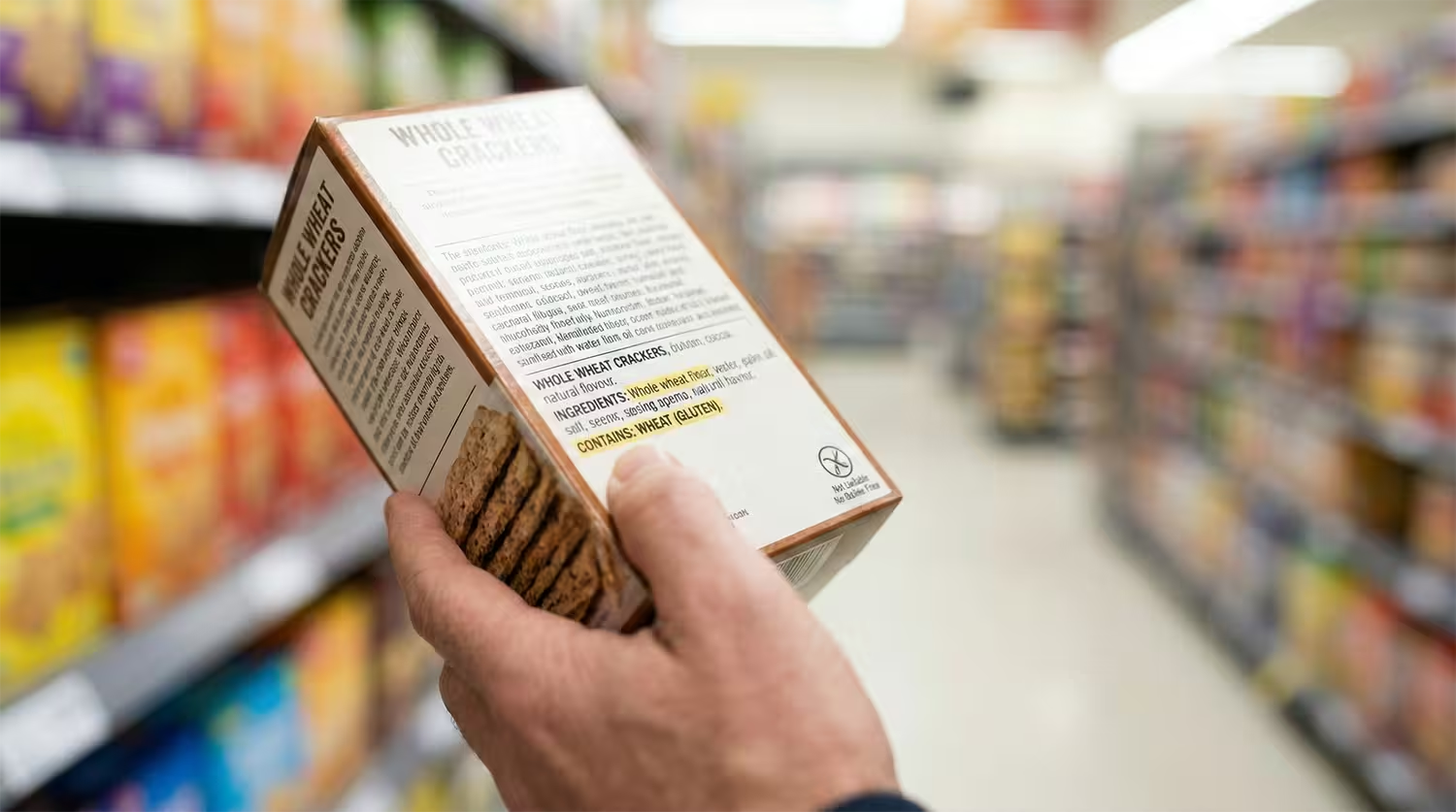
- Check for allergen statements—“contains wheat” means gluten is present.
- Be cautious with “wheat-free” claims—they don’t guarantee gluten-free.
- When in doubt, use trusted gluten-free resources or contact the manufacturer.
Here’s the challenge: gluten isn’t just in bread and pasta. It’s used as a binder, thickener, and flavor enhancer in countless processed foods. A product labeled “wheat-free” might still contain barley or rye. That’s why becoming a savvy label reader is your most powerful tool for staying healthy and symptom-free.
Understanding FDA “Gluten-Free” Labeling Rules
Good news! The FDA has established clear rules for “gluten-free” labeling to help us make safer choices.
The 20 PPM Standard
A product can be labeled “gluten-free,” “no gluten,” “free of gluten,” or “without gluten” only if it:
- Is naturally gluten-free (like fruits, vegetables, or unprocessed meats)
- Contains no wheat, barley, rye, or their hybrids (like triticale)
- Contains less than 20 parts per million (ppm) of gluten
This 20 ppm threshold is the lowest level that can be reliably detected and is considered safe for most people with celiac disease.
What the FDA Rule Covers
The FDA rule applies to:
- All packaged foods regulated by the FDA
- Dietary supplements
- Imported foods
Important exceptions:
- Meat, poultry, and eggs (regulated by USDA)
- Most alcoholic beverages (regulated by TTB)
Special Note About “Contains Wheat” Statements
Sometimes you’ll see a product labeled “gluten-free” that also says “Contains wheat.” This seems contradictory, but it’s allowed if the wheat has been processed to remove gluten (like wheat starch). The label must clarify that the wheat has been processed to meet FDA gluten-free requirements.
How to Spot Gluten on Ingredient Lists
When a product doesn’t have a “gluten-free” label, you need to become a detective. Here’s what to look for:
Obvious Gluten-Containing Ingredients
Always avoid these:
- Wheat (all varieties): durum, semolina, spelt, farina, farro, graham, einkorn, emmer, wheat berries, wheat bran, wheat germ, wheat starch
- Barley: barley flakes, pearl barley, barley flour
- Rye: rye bread, rye flour
- Triticale: a wheat-rye hybrid
- Malt: malt extract, malt syrup, malt flavoring, malted barley flour, malt vinegar
- Brewer’s yeast: typically contains gluten from barley
Common Hidden Sources of Gluten
Gluten loves to hide in these products:
Sauces and Condiments:
- Soy sauce and teriyaki sauce (look for gluten-free tamari instead)
- Salad dressings with malt vinegar or wheat-based thickeners
- Gravies and cream sauces thickened with wheat flour
Soups and Broths:
- Canned soups often use wheat flour as a thickener
- Bouillon cubes may contain hydrolyzed wheat protein
Processed Meats:
- Deli meats, sausages, and hot dogs (wheat fillers are common)
- Meatballs and meatloaf (breadcrumbs as binders)
- Seitan and many vegetarian meat substitutes (made from wheat gluten)
Snacks and Sweets:
- Seasoned chips (check those flavorings!)
- Licorice (almost always contains wheat flour)
- Chocolate bars with malt flavoring or cookie pieces
Beverages:
- Beer, ale, and lager (made from malted barley)
- Some flavored coffees and teas
Tricky Ingredients to Watch:
- Modified food starch and dextrin: Can be from wheat. In the U.S., if wheat-derived, the label must say “wheat” in the allergen statement. If wheat isn’t mentioned, it’s likely from corn or potato.
- Natural and artificial flavors: Rarely, but occasionally, contain barley
- Brown rice syrup: Sometimes made with barley enzymes
Understanding Cross-Contamination Warnings
You’ve probably seen statements like:
- “May contain wheat”
- “Processed in a facility that also processes wheat”
- “Made on shared equipment with wheat”
Here’s what you need to know:
These warnings are voluntary and not FDA-regulated. Their meaning can be unclear.
If a product IS labeled “gluten-free”: The warning doesn’t matter. The manufacturer must ensure the product contains less than 20 ppm gluten, regardless of the facility.
If a product is NOT labeled “gluten-free”: This is a red flag! Studies show that many naturally gluten-free foods without a “gluten-free” label can be contaminated above safe levels. When in doubt, skip it.
Third-Party Certifications: Extra Peace of Mind
For added assurance, look for products with third-party gluten-free certifications. These organizations verify that manufacturers follow strict protocols:
- GFCO (Gluten-Free Certification Organization): Requires less than 10 ppm
- NSF Gluten-Free Certification: Verifies less than 20 ppm
- CSA (Celiac Support Association) Recognition Seal: Ensures rigorous testing
These certifications mean the manufacturer has gone above and beyond basic FDA requirements.
Smart Shopping Tips for Hidden Gluten
1. Start with the “Gluten-Free” Label
Look for products explicitly labeled “gluten-free” first. It’s your safest bet.
2. Read Every Label, Every Time
Manufacturers can change ingredients without warning. Even if you’ve bought a product before, check the label each time.
3. Check the Allergen Statement
Look for “Contains: Wheat” or similar warnings. This is required by law and appears after the ingredient list.
4. When in Doubt, Contact the Manufacturer
Most companies have customer service lines or email addresses. Don’t hesitate to ask about specific ingredients or manufacturing processes.
5. Stick to Whole Foods When Possible
Fresh fruits, vegetables, unprocessed meats, and plain rice and beans are naturally gluten-free and don’t require label reading.
6. Use Smartphone Apps
Smartphone apps can help you scan barcodes and identify safe products quickly.
Common Misconceptions About Gluten-Free Labels
Myth #1: “Wheat-free” means “gluten-free”
False! Wheat-free products can still contain barley or rye.
Myth #2: “All-natural” or “organic” means gluten-free
Nope. These terms have nothing to do with gluten content.
Myth #3: Oats are always safe
Pure, uncontaminated oats are gluten-free, but most oats are cross-contaminated during processing. Look for certified gluten-free oats.
Myth #4: Distilled vinegar contains gluten
Most distilled vinegars are gluten-free, even if made from wheat. The distillation process removes gluten proteins. However, malt vinegar is NOT gluten-free.
Frequently Asked Questions
Q: Is gluten-free labeling mandatory?
No, it’s voluntary. Manufacturers choose whether to label products as gluten-free.
Q: Can I trust restaurant “gluten-free” menus?
Restaurant labeling isn’t regulated the same way as packaged foods. Always ask about preparation methods and cross-contamination risks.
Q: What if I accidentally eat gluten?
If you have celiac disease, contact your doctor. Symptoms vary, but most people recover within a few days to weeks. Stay hydrated and rest.
Q: Are medications gluten-free?
Not always. Some medications use wheat starch as a filler. Check with your pharmacist or contact the manufacturer.
Q: How do I handle shared kitchens?
Use separate cutting boards, toasters, and utensils. Store gluten-free items separately and always clean surfaces thoroughly.
Your Gluten-Free Journey Starts Here
Reading food labels for hidden sources of gluten might feel overwhelming at first, but I promise it gets easier with practice. Soon, you’ll be able to scan an ingredient list in seconds and know exactly what’s safe.
Remember: you’re not alone in this journey. Millions of people successfully navigate gluten-free living every day, and with the right knowledge and tools, you can too. Start with the basics—look for that “gluten-free” label, check for obvious gluten ingredients, and don’t be afraid to ask questions.
Your health is worth the extra few minutes it takes to read a label carefully. Happy (gluten-free) shopping!
Have questions about reading food labels or want to share your own tips? I’d love to hear from you in the comments below! And if you found this guide helpful, please share it with someone who might benefit from it.
For more gluten-free tips, check out our other gluten-free living guides.
References
- U.S. Food and Drug Administration. (2020). “Gluten-Free Labeling of Foods” https://www.fda.gov/food/food-labeling-nutrition/gluten-free-labeling-foods
- Celiac Disease Foundation. “Sources of Gluten“
- Beyond Celiac. “Gluten-Free Diet“
