
It’s one of the most common questions we get — is ice cream gluten-free? And honestly, it’s a great one. Ice cream seems like it should always be safe. After all, it’s just milk, sugar, and flavoring, right? But as anyone living gluten-free quickly learns, things aren’t always that simple.
Here at Let’s Go Gluten Free, we get this question from readers, parents, and newly diagnosed families all the time. Ice cream feels like one of those “comfort foods” that should be worry-free, which makes it especially frustrating when gluten sneaks in where you least expect it. Between mix-ins, cones, flavorings, and even shared scoops, something as innocent as a bowl of chocolate chip cookie dough ice cream can suddenly become a problem.
So in this post, we’re giving this topic the attention it deserves — breaking down when ice cream is gluten-free, when it’s not, and how you can enjoy it safely (and deliciously) without the guesswork.
When Ice Cream Is Naturally Gluten-Free
Good news first: the base of ice cream — milk, cream, sugar, and eggs — is naturally gluten-free. When made with just these simple ingredients, most basic ice creams are perfectly safe to enjoy. That means the problem usually isn’t the ice cream itself — it’s what’s added later.
The simplest, single-flavor options are your safest choices, especially when made by brands that clearly label their ingredients. Here are a few classic flavors that are typically gluten-free when no mix-ins or cookies are involved:
- Vanilla bean
- Chocolate
- Strawberry made with real fruit
- Coffee
- Mint (without cookie or candy pieces)
Beyond ingredients, texture and flavor enhancers can make a difference too. It’s best to look for products made with natural flavorings and real ingredients rather than artificial blends or additives.
Here’s a quick checklist to help you spot naturally gluten-free ice cream at the store:
- ✅ Short, simple ingredient list (cream, milk, sugar, eggs)
- ✅ No cookie dough, brownies, or cake pieces
- ✅ Labeled “gluten-free” or made in a certified gluten-free facility
- ✅ No malt or “natural flavorings” listed without clarification
When in doubt, stick to clean, whole-ingredient options — and double-check the label. A few extra seconds of reading can make all the difference in keeping your next bowl of ice cream worry-free.
Where Ice Cream Can Go Wrong
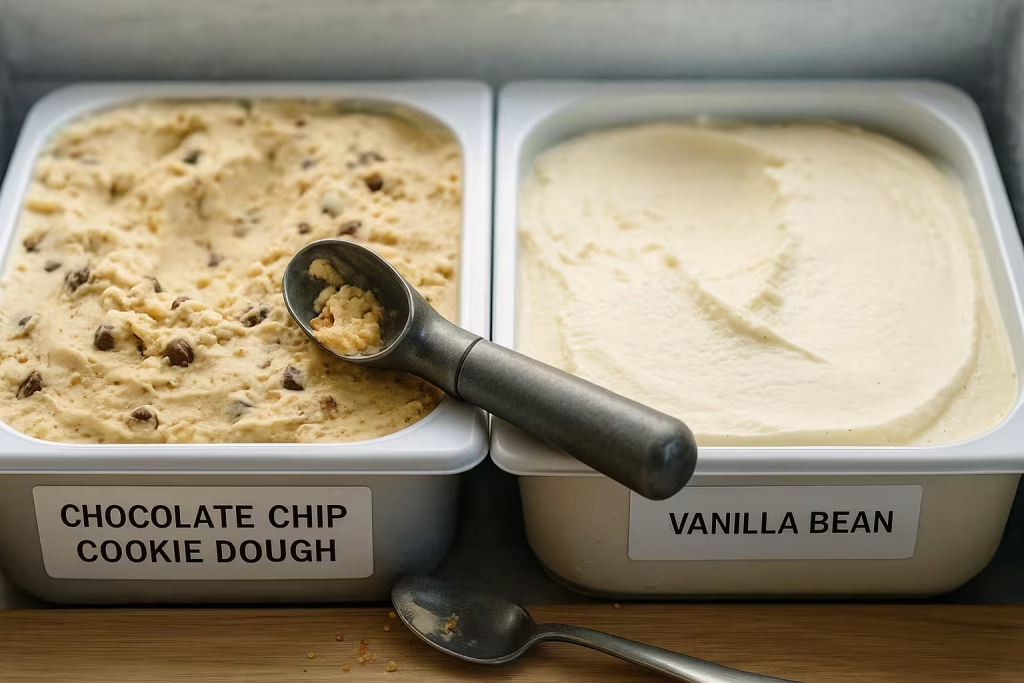
This is where things get a little tricky. Even though ice cream starts off naturally gluten-free, it can easily become unsafe once flavorings, mix-ins, or processing methods come into play.
The most common culprit? Add-ins like cookie dough, brownies, or cake pieces. These are usually made with wheat flour and can turn an otherwise safe treat into a hidden source of gluten. But even “plain-looking” ice cream isn’t always safe — some flavorings, stabilizers, and emulsifiers can contain gluten or be processed in facilities that handle wheat.
And then there’s cross-contamination, which happens more often than you’d think. In scoop shops, one dip of a shared scoop between a cookie-dough tub and a vanilla tub can introduce gluten instantly.
Here are some common ways gluten sneaks into your ice cream:
- 🍪 Cookie dough, brownie chunks, or cake pieces
- 🍫 Candy mix-ins that contain crispy rice, malt, or cookie centers
- 🥣 Malt flavoring, barley syrup, or wheat-based thickeners
- 🍦 Cones, waffle bowls, or sandwich-style ice cream treats
- 🧁 Shared scoops, tubs, or blenders in ice cream shops
If you’re ever unsure, look for labels that say “gluten-free,” “certified gluten-free,” or “made in a dedicated facility.” Ice cream is supposed to be a happy, carefree treat — a quick label check helps keep it that way.
Gluten-Free Cones, Toppings, and Mix-Ins
Let’s be honest — half the fun of ice cream is what comes with it. The cone, the toppings, the drizzle of syrup — they all make the experience more exciting, especially for kids. But this is also where gluten can sneak in fast. Even if your ice cream is perfectly safe, the wrong cone or topping can undo all your careful label reading in one bite.
The good news is, there are now plenty of gluten-free options that let you enjoy every part of the ice cream experience without compromise. You can recreate that classic ice cream shop feel right at home with the right products and a few smart swaps.
Here are a few ideas to help you build your own gluten-free sundae bar:
1. Gluten-Free Cones
Look for cones labeled gluten-free and made in dedicated facilities to avoid cross-contamination.
- Joy Gluten-Free Sugar Cones – widely available, light, and crisp
- The Good Crisp Company Waffle Cones – sturdy and made from non-GMO ingredients
- Let’s Do…Organic® Cones – gluten-free, vegan, and certified organic
2. Safe Toppings & Mix-Ins
Stick to single-ingredient or certified gluten-free toppings to keep things simple and safe.
- Chopped nuts (check for “processed in a gluten-free facility”)
- Mini chocolate chips or crushed gluten-free cookies
- Fresh fruit, shredded coconut, or sprinkles labeled gluten-free
- Crushed gluten-free pretzels for a sweet-and-salty twist
3. Sauces & Syrups
Most plain chocolate, caramel, and fruit syrups are naturally gluten-free — but always double-check for malt flavoring or cookie bits.
- Hershey’s® Chocolate Syrup (labeled gluten-free)
- Smucker’s® Caramel Sundae Syrup
- Homemade berry compote or chocolate ganache for a clean, simple option
Creating your own mix-ins and toppings can also be a fun way to get kids involved in the kitchen. Let everyone choose their own favorites and keep a few go-to gluten-free cones or pints on hand — that way, every ice cream night can be worry-free and delicious.
Certified Gluten-Free Ice Cream Brands
It’s one thing when an ice cream should be gluten-free (based on the ingredients). It’s another when a brand goes the extra mile, certifying their pints and making manufacturing decisions that minimize risk for people with celiac disease or gluten sensitivity. That’s why it’s worth keeping an eye out for terms like “certified gluten-free,” “made in a dedicated gluten-free facility,” or showing a third-party logo (for example the Gluten‑Free Certification Organization/GFCO).
When a brand is certified or clearly labels gluten-free options, it means they’ve audited their ingredient sources, production processes, and often equipment cross-contact risks. That gives you a higher level of confidence. Of course—nothing replaces checking the label on the specific flavor you’re buying, because even within a brand, manufacturing or ingredients can change.
Here are some trusted brands and what they bring to the gluten-free table:
- Ben & Jerry’s Non‑Dairy/Certified Flavors – This brand has a dedicated list of certified gluten-free flavors, both in their dairy and non-dairy lines. See their website for current flavor listings.
- So Delicious Dairy‑Free Frozen Desserts – Known for dairy-free AND gluten-free options, So Delicious makes several flavors that are both vegan and certified gluten-free.
- Alden’s Organic Ice Cream – Offers gluten-free certified options and emphasizes dedicated production runs to avoid cross-contamination.
- Breyers Gluten‑Free/Dairy Dessert Line – While not all of Breyers’ products are certified, they have a clearly labeled gluten-free series and many flavors marked as safe.
- My/Mochi Gluten‑Free Premium Ice Cream – This is a snack-style frozen dessert made without gluten ingredients and clearly labeled as gluten-free. Great if you want portioned treats.
- Turkey Hill Premium Ice Cream (Select Gluten‑Free) – Select flavors from Turkey Hill are identified as gluten-free and clearly labeled so you can pick safely.
Quick Checklist for Buying Certified Gluten-Free Ice Cream
- ✅ Look for “Certified Gluten-Free” or GFCO logo on the carton.
- ✅ Verify the specific flavor (not just the brand) is labeled gluten-free or allergen-friendly—mix-ins vary.
- ✅ Visit the brand’s website and check their allergen/manufacturing statement. Many show dedicated lines or cleaning protocols.
- ✅ When mixing in toppings or serving in a shop, assume anything outside the pint may introduce risk (see earlier section).
- ✅ Keep track of changes: brands may reformulate or change facilities, so a flavor safe today may not always be safe tomorrow.
By choosing certified gluten-free brands or flavors you’re already stacking the odds in your favor. It doesn’t remove the need to double-check labels, but it makes your grocery runs much smoother and safer.
Cross-Contamination at Ice Cream Shops

Even if you pick a gluten-free flavor, there’s still one sneaky issue that can cause trouble — cross-contamination. Ice cream shops are full of shared scoops, tubs, cones, and toppings, and it doesn’t take much for gluten to spread from one flavor to another. One quick dip of a scoop between a cookies-and-cream tub and a vanilla tub can instantly introduce traces of gluten.
Cross-contamination can also happen when toppings are stored side-by-side, or when blenders and mix-in machines are used for multiple flavors. It’s not always intentional — it’s just part of how most shops operate unless they have dedicated allergy protocols.
Here are a few common ways gluten sneaks in at scoop shops:
- 🍦 Shared scoops or spoons used across multiple flavors
- 🍪 Cookie or cake pieces dropped into “safe” tubs
- 🥄 Mix-in blenders (like Dairy Queen’s Blizzards or Cold Stone’s marble slabs)
- 🧁 Shared topping containers (cookie crumbs, sprinkles, malt balls)
- 🍨 Scoops stored in rinse water that’s also used for gluten-containing flavors
If you’re planning to order out, these simple tips can help you stay safe:
- Ask politely before ordering. A quick “Do you have separate scoops or tubs for gluten-free flavors?” goes a long way.
- Choose pre-packaged options if the staff isn’t sure — sealed pints or cups eliminate risk.
- Stick with single-ingredient flavors (like vanilla, chocolate, or strawberry) if the shop can confirm they haven’t been cross-scooped.
- Avoid cones and shared toppings unless they’re sealed and labeled gluten-free.
- Visit allergy-friendly shops that advertise gluten-free or celiac-safe preparation — these are becoming more common nationwide.
When in doubt, go with the safest option: grab a certified gluten-free pint from the freezer section and top it at home. It’s less risky, just as satisfying, and you can add your favorite gluten-free sprinkles or crushed cookies without worry.
Making Gluten-Free Ice Cream at Home
Sometimes the best way to be 100% sure your ice cream is gluten-free is to make it yourself — and the good news is, it’s a lot easier than you might think. You don’t need fancy equipment or a professional kitchen to make creamy, scoopable ice cream at home. Plus, it’s a fun weekend activity for families, and you get to control every ingredient that goes in.
Start with a simple gluten-free base:
- 2 cups heavy cream
- 1 cup whole milk (or coconut milk for dairy-free)
- ½ cup sugar
- 1 tablespoon pure vanilla extract
Whisk everything together until smooth, then pour into your ice cream maker and freeze according to the instructions. If you don’t have a machine, you can use the “no-churn” method — just mix everything, pour it into a freezer-safe container, and stir every 30–45 minutes until set.
Once you’ve nailed the base, you can get creative with gluten-free flavors and mix-ins. Here are a few ideas to try:
Gluten-Free Ice Cream Flavor Ideas:
- 🍓 Strawberry Swirl: Blend in puréed strawberries or real fruit chunks.
- 🍫 Chocolate Fudge: Add 2 tablespoons of unsweetened cocoa powder and swirl in melted dark chocolate before freezing.
- 🍪 Cookie Crumble: Use your favorite gluten-free cookies (like Partake or Simple Mills) and crumble them in for texture.
- ☕ Coffee Buzz: Stir in cooled espresso and a drizzle of caramel for an adult twist.
- 🥥 Coconut Dream: Use coconut milk, shredded coconut, and a touch of honey for a dairy-free tropical flavor.
Homemade ice cream is also a great way to experiment with dairy-free or refined-sugar-free versions — perfect if you have multiple sensitivities in the family. And for even more fun, let the kids design their own flavors or use our Dessert Recipe Generator here on Let’s Go Gluten Free to create custom combinations based on what’s in your pantry.
No matter how you make it, homemade ice cream gives you peace of mind — and that first safe, creamy bite is totally worth it.
FAQs About Gluten-Free Ice Cream
We get a lot of questions about ice cream — and for good reason! It’s one of those foods that seems simple, yet can hide gluten in unexpected ways. To help you feel more confident the next time you’re standing in the freezer aisle (or at your favorite scoop shop), here are answers to some of the most common questions we hear about gluten-free ice cream.
1. Is soft serve ice cream gluten-free?
Not always. While soft serve is often made from a base of milk and sugar, some machines use pre-mixed powders that contain malt or flavoring derived from barley. The bigger issue is cross-contamination — shared dispensers and toppings can easily introduce gluten. Always ask to see the ingredient list or allergen chart, and when in doubt, skip it or go for a pre-packaged option.
2. Can people with celiac disease eat ice cream?
Yes — as long as it’s certified gluten-free or made in a dedicated gluten-free facility. Many brands now go through third-party testing to verify their products are safe for people with celiac disease. Just avoid flavors with mix-ins like cookie dough, cake, or brownies unless they’re clearly labeled gluten-free.
3. Are Dairy Queen or McDonald’s ice creams gluten-free?
Some menu items might be, but neither chain can guarantee against cross-contact. For example, Dairy Queen’s plain soft serve base doesn’t contain gluten, but it’s often used in Blizzards and sundaes that share equipment with gluten-containing ingredients. If you’re extremely sensitive, stick to sealed cups or pints from brands you trust.
4. How can I tell if an ice cream brand is truly gluten-free?
Look for clear “Certified Gluten-Free” labels or allergen statements on the package. You can also check the brand’s website for more details — most list their manufacturing practices and any risks of cross-contamination. A short, simple ingredient list is another good sign. If you see vague terms like “natural flavors” or “malt,” reach out to the company for clarification before buying.
5. What are some safe gluten-free ice cream cones and toppings?
There are plenty! Joy Gluten-Free Sugar Cones, The Good Crisp Company Waffle Cones, and Let’s Do…Organic® Cones are great options. For toppings, stick to single-ingredient items like nuts, fruit, chocolate chips, or gluten-free sprinkles. And always double-check store-bought sauces for malt or wheat-based additives.
Keeping these answers in mind makes it easier to enjoy ice cream safely — whether you’re treating yourself at home, out with friends, or celebrating a summer evening with your kids. The key is always the same: check labels, ask questions, and don’t assume “plain” means gluten-free.
Enjoying Ice Cream Safely & Sweetly
So, is ice cream gluten-free? The answer is sometimes yes — and sometimes no. The truth is, it all depends on the ingredients, how it’s made, and what it comes into contact with. While that might sound complicated, the good news is that it’s easier than ever to enjoy ice cream safely today.
With more brands offering certified gluten-free flavors, clearly labeled packaging, and dairy-free options made in dedicated facilities, you can finally indulge without worry. Just remember: the key is to read every label, ask questions at scoop shops, and stick with brands you trust.
At home, making your own gluten-free ice cream or building a sundae bar with safe cones and toppings can turn dessert into a family tradition — one where everyone can join in.
Living gluten-free doesn’t mean missing out on simple joys like ice cream. It just means learning what’s safe, being a little label-savvy, and enjoying every bite with confidence.
For more help spotting ingredients that can trip you up, check out our guide on Hidden Sources of Gluten. It’s a great next read to help you keep your kitchen — and your ice cream — completely gluten-free.
