
Living with celiac disease and type 1 diabetes at the same time is genuinely one of the hardest dietary challenges a person can face. Each condition alone demands constant vigilance. Together, they create a daily puzzle that affects every meal, every snack, and every outing.
Celiac and type 1 diabetes are more closely linked than most people realize. Research published by the American Diabetes Association and Celiac Disease Foundation suggests that people with type 1 diabetes are 5 to 10 times more likely to develop celiac disease than the general population. Both are autoimmune conditions, and they share genetic risk factors — particularly the HLA-DQ2 and HLA-DQ8 gene variants.
If you or someone you love is managing both, I want you to know: you are not alone, and this is manageable. It takes time, a solid support team, and a plan. That’s exactly what this article is here to help you build.
Below, I’ll walk you through why these two conditions overlap, how a gluten-free diet affects blood sugar, what foods work well for both, and practical strategies that real families can actually use.
Key Takeaways
- People with type 1 diabetes have a significantly higher risk of also developing celiac disease due to shared autoimmune genetics.
- A strict gluten-free diet is medically necessary for celiac disease — not optional — even when managing blood sugar alongside it.
- Many gluten-free processed foods are high in refined carbohydrates, which can make blood sugar management harder without careful planning.
- Whole-food, naturally gluten-free meals are often the best approach for managing both conditions simultaneously.
- Regular screening, a registered dietitian familiar with both conditions, and a structured meal plan can dramatically improve outcomes.
Why Celiac Disease and Type 1 Diabetes So Often Occur Together
Both celiac disease and type 1 diabetes are autoimmune conditions. In autoimmune disease, your immune system mistakenly attacks your own body. With celiac disease, gluten triggers an attack on the small intestine. With type 1 diabetes, the immune system destroys insulin-producing beta cells in the pancreas.
According to the Celiac Disease Foundation, approximately 10% of people with type 1 diabetes also have celiac disease. Many of those cases go undiagnosed for years because the symptoms of one condition can mask the other.
The shared genetic link — particularly the HLA-DQ2 and HLA-DQ8 genes — is the primary reason these conditions cluster together. If you carry these genes, your immune system may be primed to develop more than one autoimmune condition over your lifetime.
How Undiagnosed Celiac Disease Disrupts Blood Sugar Control
This is something I find really important to explain, because so many people with type 1 diabetes struggle with blood sugar instability without ever knowing celiac disease is the culprit.
When the small intestine is damaged by gluten exposure in celiac disease, it can’t properly absorb nutrients — including carbohydrates. This means glucose from food enters the bloodstream unpredictably. You may notice your insulin doses stop working the way they should, or your blood sugar swings wildly in ways that don’t match what you ate.
Once a strict gluten-free diet allows the small intestine to heal, absorption improves. Many people with celiac and type 1 diabetes actually find that their insulin requirements change after going gluten-free, because their gut is finally absorbing carbohydrates consistently. This is something to monitor closely with your endocrinologist.
The Biggest Challenge: GF Processed Foods and Blood Sugar
Here’s an honest truth that took me a while to fully appreciate — gluten-free does not automatically mean healthy or diabetes-friendly. Many gluten-free packaged products are made with white rice flour, tapioca starch, or potato starch. These ingredients can have a higher glycemic index than their wheat-based counterparts, meaning they may raise blood sugar faster.
For someone managing type 1 diabetes, this matters a lot. A gluten-free bread or muffin that spikes blood sugar sharply requires more precise insulin dosing and leaves less room for error.
This doesn’t mean you can’t enjoy gluten-free baked goods or convenience products. It just means you need to understand how they affect your individual blood sugar response — and that may take some trial and error.
Best Naturally Gluten-Free Foods for Managing Both Conditions
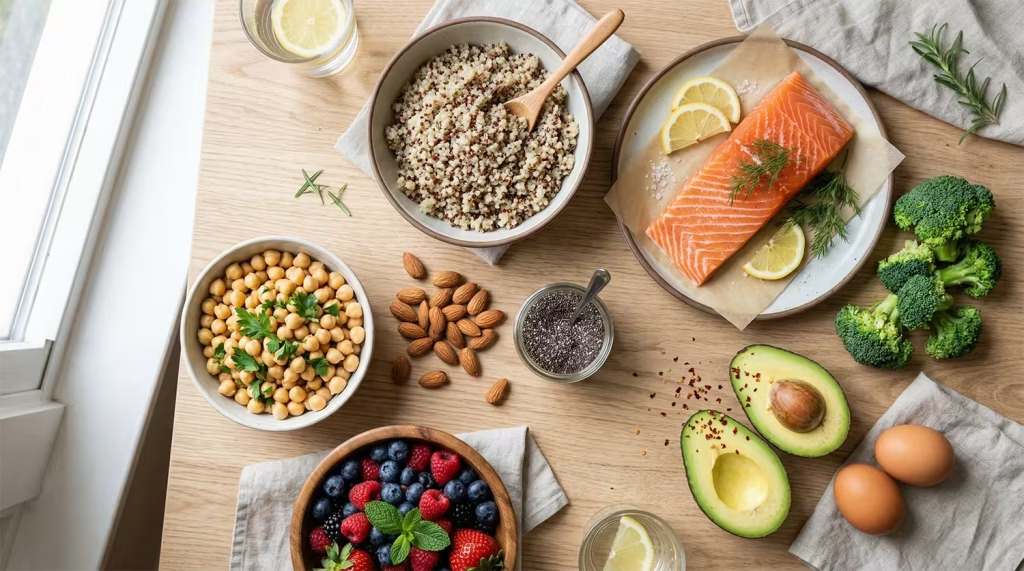
The good news is that a whole-food approach fits both celiac disease and type 1 diabetes beautifully. These foods are naturally gluten-free, have a lower glycemic impact, and provide excellent nutrition for healing and stable blood sugar.
Naturally GF Foods That Work for Both Conditions
- Non-starchy vegetables: broccoli, spinach, zucchini, cauliflower, peppers
- Lean proteins: chicken, turkey, eggs, fish, tofu
- Legumes: lentils, black beans, chickpeas (moderate portions)
- Whole gluten-free grains: quinoa, brown rice, certified GF oats, millet, buckwheat
- Healthy fats: avocado, olive oil, nuts, seeds
- Low-glycemic fruits: berries, cherries, apples (with the skin), pears
- Dairy and dairy alternatives (check labels on flavored options)
- Sweet potatoes (moderate portions — more blood-sugar friendly than white potatoes)
Pairing carbohydrates with protein and fat is one of the most effective strategies for slowing glucose absorption and keeping blood sugar steadier. For example, a serving of gluten-free rice paired with grilled salmon and roasted vegetables will cause a much gentler blood sugar rise than a bowl of plain white rice.
Fiber: A Shared Priority for Celiac and Type 1 Diabetes
Getting enough fiber on a gluten-free diet is already a challenge because many of the high-fiber whole grains — like whole wheat, barley, and rye — are off limits. For people with type 1 diabetes, fiber is especially valuable because it slows carbohydrate digestion and helps prevent sharp blood sugar spikes.
Fortunately, there are excellent gluten-free fiber sources: chia seeds, flaxseed, legumes, vegetables, and certified GF oats (if tolerated). Aiming for at least 25–38 grams of fiber per day (depending on age and sex) is a goal worth discussing with your dietitian.
Building Your Healthcare Team
Managing celiac and type 1 diabetes together is not a solo job. You genuinely need a team, and building the right one makes a massive difference in your quality of life and your health outcomes.
The Beyond Celiac organization offers resources for finding celiac-knowledgeable specialists, and the National Institute of Diabetes and Digestive and Kidney Diseases (NIDDK) is an excellent resource for understanding both conditions from a medical standpoint.
Our Top Products and Tools for Managing Both Conditions
These are products and tools I genuinely find useful for people navigating this dual diagnosis. I’ve tried to keep blood sugar impact in mind alongside celiac safety.
Bob’s Red Mill Super-Fine Almond Flour is certified gluten-free by GFCO and made in a dedicated facility. Almond flour has a dramatically lower glycemic impact than rice or tapioca flours, making it one of the most blood-sugar-friendly GF baking options available. My boys love pancakes and muffins made with this flour.
Certified gluten-free and made with whole grains like quinoa, amaranth, and millet. Higher fiber than most GF granolas and lower on refined starches. Pair with plain Greek yogurt for a balanced blood-sugar-friendly breakfast. ~$8–10 per bag.
Banza chickpea pasta is certified gluten-free and provides significantly more protein and fiber than traditional rice-based GF pasta. This helps slow glucose absorption and reduces blood sugar spikes. A practical weeknight dinner option. ~$3–4 per box.
GF Harvest grows and processes oats in a dedicated gluten-free facility and is certified by GFCO. For people with celiac who tolerate oats, certified GF oats provide valuable fiber and a lower glycemic option. Always consult your gastroenterologist before adding oats if you have celiac. ~$7–9 per bag.
Not a food product, but one of the most important tools for managing type 1 diabetes alongside a changing GF diet. A CGM lets you see in real time how specific gluten-free foods affect your blood sugar. Prescription required. Check with your endocrinologist and insurance provider.
Common Mistakes When Managing Celiac and Type 1 Diabetes Together
- Assuming GF automatically means diabetes-friendly. Many GF products are highly refined and can spike blood sugar more aggressively than expected. Always check the carbohydrate and fiber content, not just the GF label.
- Not adjusting insulin after going gluten-free. As your gut heals and nutrient absorption improves, your carbohydrate absorption becomes more consistent and efficient. This can change your insulin-to-carb ratio. Work with your endocrinologist to monitor this.
- Skipping celiac screenings if you have T1D. The American Diabetes Association recommends periodic celiac screening for all people with type 1 diabetes. Don’t wait for obvious symptoms — many people with both conditions have silent celiac disease.
- Relying too heavily on GF packaged convenience foods. These products are lifesavers when you’re busy, but building a foundation of whole naturally gluten-free foods will make both conditions easier to manage.
- Neglecting fiber intake. Fiber is a double win — it supports gut health for celiac and slows glucose absorption for T1D. Most people on a GF diet don’t get enough without intentional planning.
- Going it alone without a dietitian. The intersection of celiac and type 1 diabetes is genuinely complex. A registered dietitian who understands both conditions can save you months of frustrating trial and error.
Frequently Asked Questions
Research suggests that approximately 5–10% of people with type 1 diabetes also have celiac disease, compared to about 1% of the general population. The shared genetic markers HLA-DQ2 and HLA-DQ8 are present in both conditions. Because of this elevated risk, the American Diabetes Association recommends that people with type 1 diabetes be screened for celiac disease at diagnosis and periodically thereafter.
It very well might, especially in the months after starting a gluten-free diet. As intestinal damage heals, your small intestine absorbs carbohydrates more consistently and effectively. This can make your blood sugar responses more predictable — but it may also mean your previous insulin doses are no longer accurate. Work closely with your endocrinologist during this transition and monitor your continuous glucose monitor or blood glucose readings carefully.
Naturally gluten-free whole foods — like vegetables, meats, legumes, and whole GF grains — are excellent choices for managing both conditions. Processed gluten-free products made with refined rice flour or tapioca starch may have a higher glycemic index and can spike blood sugar more quickly. Reading nutrition labels for total carbohydrates, fiber, and added sugars is important. A registered dietitian can help you identify which GF products work best for your blood sugar management.
Yes, and this is more common than most parents expect. Children with type 1 diabetes should be screened for celiac disease because the conditions share genetic risk factors. Symptoms in children may be subtle — fatigue, poor growth, or unexplained blood sugar swings. The Celiac Disease Foundation and American Academy of Pediatrics both support routine celiac screening in children with type 1 diabetes. If your child has T1D, ask their pediatric endocrinologist about celiac testing.
Quinoa, buckwheat, certified gluten-free oats (if tolerated), and millet tend to have lower glycemic impact than refined white rice flour-based products. They also offer more fiber and protein, which help slow glucose absorption. Always pair grains with protein and healthy fat to further blunt blood sugar spikes. Individual responses vary, so using a continuous glucose monitor to test your personal response to specific grains is helpful.
If you have celiac disease — regardless of whether you also have type 1 diabetes — a strict gluten-free diet is medically necessary. Even tiny amounts of gluten (as little as 20 parts per million) can trigger intestinal damage in people with celiac disease. For people with type 1 diabetes who have been diagnosed with celiac, the answer is the same: strict gluten-free is not optional. Looking for products certified by the Gluten-Free Certification Organization (GFCO) adds an important layer of safety.
The Bottom Line
Managing celiac disease and type 1 diabetes at the same time is genuinely challenging — but it is absolutely doable with the right knowledge, team, and approach. The most important foundation is understanding that these two conditions interact with each other, particularly when it comes to gut healing, nutrient absorption, and blood sugar control. A strict gluten-free diet is non-negotiable for celiac, and it can actually improve blood sugar stability once the gut begins to heal.
Focus on whole, naturally gluten-free foods as your base. Be thoughtful about processed GF products — read labels, track your blood sugar response, and don’t assume a gluten-free label means something is blood-sugar-friendly. Work with both a gastroenterologist and an endocrinologist, and if you can find a registered dietitian experienced in both conditions, that’s genuinely one of the highest-value investments you can make in your health.
You deserve support that makes this feel less overwhelming. If you’re navigating this dual diagnosis, download our free Gluten-Free Nutrition Cheat Sheet below — it includes a list of naturally GF, blood-sugar-friendly foods to build your meals around, plus tips for reading labels with both conditions in mind.
