
Have you ever wondered if gluten is getting blamed for something bigger? I know I did. When I first started paying attention to how certain foods made me feel, I kept coming back to one simple question: Why does wheat seem to bother so many people today when our grandparents ate it daily without thinking twice? That question stuck with me. And the more I dug into it, the more I realized something surprising — gluten might not be the real villain. Modern wheat might be.
Most of us grow up thinking wheat is just… wheat. Bread is bread, pasta is pasta, right? But the truth is that the wheat we eat today has been changed, hybridized, processed, and treated in ways that previous generations never encountered. Add in today’s food additives, farming practices, and gut health challenges, and suddenly it makes perfect sense why people feel so different eating wheat now.
This isn’t about fear or cutting out foods just because it’s trendy. It’s about understanding what’s really happening so you can make better decisions for yourself and your family. If you’ve ever felt confused or frustrated trying to figure out what your body is reacting to, you’re not alone — and this might finally help things click.
What “Gluten” Really Is (In Simple Terms)
Let’s take a breath and break this down without getting lost in science terms. Gluten is simply a group of proteins found in wheat. The two big ones are gliadin (the stretchy one) and glutenin (the strong, binding one). Together, they’re what make pizza dough stretchy, bread fluffy, and pasta hold its shape. In other words, gluten is what makes wheat… wheat.
For some people, these proteins trigger real issues — especially those with celiac disease, gluten intolerance, or non-celiac gluten sensitivity. When gluten hits their system, it can cause inflammation, digestive upset, headaches, fatigue, and a whole list of symptoms that make everyday life harder.
But here’s the part most people never hear: gluten itself isn’t the only problem. A lot has changed in the wheat around it — from how it’s grown to how it’s processed to what’s added to it before it ever reaches your plate.
Think of it like this. When people react to wheat today, it might be because of:
- How modern wheat has been hybridized
- The structure of gluten proteins changing
- Added ingredients in processed wheat products
- Extra chemicals from farming practices
- A gut that’s already under stress
So yes, gluten can cause real reactions — but the full story is a lot more layered than just “gluten = bad.” You might be reacting to the entire modern wheat package, not just one protein inside it.
How Modern Wheat Became… Modern Wheat
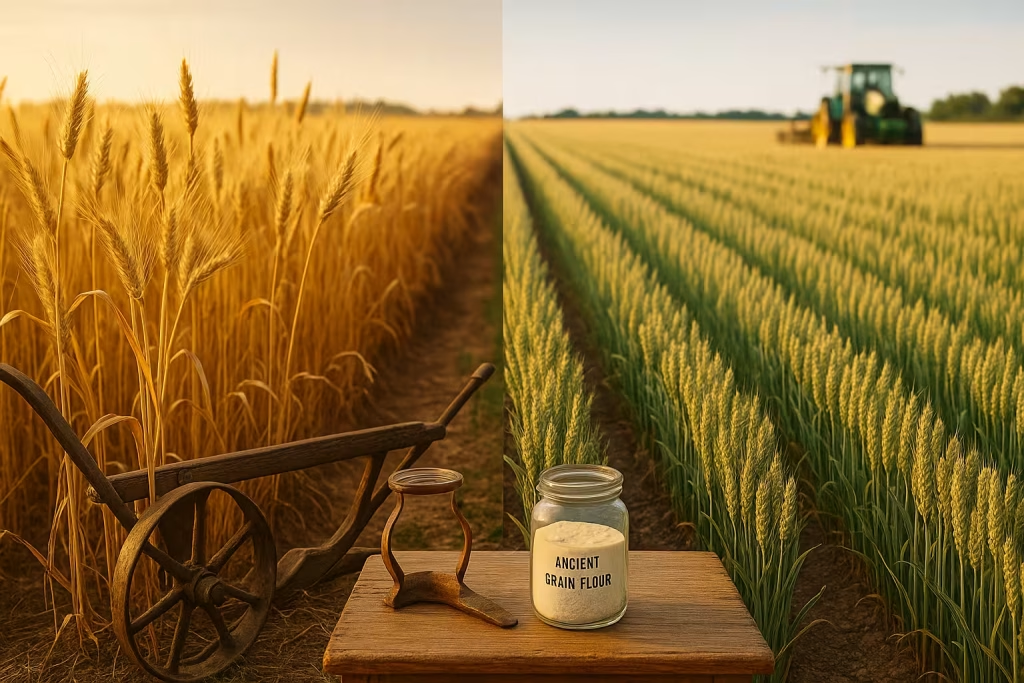
To understand why wheat feels so different today, we have to look at how it changed — because it really did change. Back in the 1960s, scientists started working on new wheat varieties to help increase food production. Their goal was good: grow more wheat, feed more people, and make crops stronger against weather and disease. What came out of that effort was something called “dwarf wheat.”
Dwarf wheat grows shorter, produces more grain per acre, and helped farmers keep up with the world’s growing population. The problem is that this “new” wheat doesn’t look much like the original wheat humans ate for thousands of years.
Modern wheat tends to have:
- Higher gluten density, especially in the gliadin proteins linked to digestive issues
- Different protein structures that some bodies struggle to recognize
- Lower mineral content, making it less nutrient-dense
- Less genetic diversity, meaning our systems are exposed to the same exact proteins over and over
- A faster-growing cycle, which may affect how fully the grain develops
Within just a generation or two, this new wheat became the only wheat most of us were eating — in breads, cereals, crackers, pastas, baked goods, and even hidden in sauces and seasonings.
So when people argue, “But humans have eaten wheat forever,” they’re not wrong… they’re just talking about a different wheat. The wheat our grandparents ate grew taller, slower, and had simpler proteins — and that makes a big difference in how our bodies respond.
It’s Not Just Wheat — It’s Farming, Processing, and Additives
Modern wheat is only the first part of the story. What happens after the wheat is grown plays just as big of a role in how our bodies react to it. Over the last few decades, farming practices, flour processing, and food manufacturing have changed dramatically — and all those changes stack up inside our digestive systems.
Let’s break it down into the three areas that matter most.
1. Farming Practices That Change the Grain Itself
Today’s wheat is often grown with heavy use of herbicides and pesticides. One of the most widely discussed is glyphosate, which is sometimes sprayed to help crops dry out faster before harvest. While research is still ongoing, many experts believe these chemicals may affect gut bacteria, digestion, and inflammation levels.
Modern farming also prioritizes speed. Faster-growing wheat can mean the grain doesn’t mature the same way it used to. When you stack these factors together, the wheat kernel reaching your kitchen isn’t as simple as it once was.
2. Processing That Strips Wheat of Its Natural Goodness
The flour we buy today would be unrecognizable to past generations. Traditional milling once left grains intact, with the bran, germ, and natural oils providing nutrients.
Today’s wheat flour is often:
- Stripped of bran and germ
- Bleached to improve color
- Enriched with synthetic vitamins
- Blended with conditioners and stabilizers
- Ground extra-fine, making it digest faster (and hit your blood sugar harder)
What’s left is a flour that’s shelf-stable, smooth, and easy for manufacturers to use — but not always easy for your body to process.
3. Additives in Packaged Foods That Confuse Your Gut
Even if the wheat itself were perfect, many packaged wheat products come with extra ingredients our bodies don’t handle well. These aren’t ingredients you’d bake with at home. They’re added to help bread stay soft for weeks or to give pastries that perfect “fluffy” texture.
Common additives include:
- Preservatives to extend shelf life
- Emulsifiers that change texture but may disrupt the gut lining
- Dough conditioners to speed up production
- Artificial sweeteners and hidden sugars
- Flavor enhancers
- Industrial seed oils that add inflammation
- Coloring agents
Your great-grandmother’s bread recipe called for flour, water, yeast, salt… and maybe a little butter. Today, many breads have ingredient lists longer than a children’s chapter book.
The “Stacking Effect”: Why It Matters
When you combine:
- modern wheat
- modern chemicals
- modern flour processing
- modern additives
- modern gut health challenges
…it creates a situation where your body is dealing with more than just gluten. It’s responding to the entire package.
This is why so many people say, “I feel better without wheat,” even if they don’t have celiac disease. It’s not in their heads — it’s in the way wheat has changed.
Why Ancient Grains Don’t Trigger the Same Reactions
If you’ve ever heard someone say they can handle einkorn or spelt but can’t touch modern wheat, there’s a good reason. Ancient grains haven’t gone through the same level of hybridization, processing, or chemical exposure as modern wheat. Their proteins are simpler, their genetic structure is more diverse, and their nutrients are often higher.
Even though ancient grains still contain gluten and are not safe for anyone with celiac disease, they offer an important clue: Our bodies may be reacting more to how wheat has changed — not just the fact that it contains gluten.
Here’s a simple comparison that helps make sense of it:
| Feature | Modern Wheat (Dwarf Wheat) | Ancient Grains (Einkorn, Emmer, Spelt) |
|---|---|---|
| Gluten Structure | More complex, harder to digest | Simpler and easier to break down |
| Nutrient Density | Lower overall minerals & vitamins | Naturally higher in minerals & antioxidants |
| Processing | Often bleached, enriched, refined | Usually sold in more natural or whole forms |
| Farming Practices | High pesticide/herbicide use | Typically grown with fewer chemicals |
| Genetic Changes | Heavily hybridized | Largely unchanged for thousands of years |
| Digestibility | Harder on sensitive guts | Many people tolerate better (non-celiac only) |
Ancient grains offer a glimpse into what wheat used to be — slower-growing, taller, nutrient-rich, and far less processed. It’s no surprise that many people say they feel less bloated, less foggy, and less inflamed when they eat these grains compared to modern wheat.
Of course, if you have celiac disease, wheat allergy, or strong gluten sensitivity, ancient grains are still off the table. But for the rest of the family, they can be a gentle reminder that the type of wheat matters just as much as the gluten inside it.
If anything, ancient grains highlight just how much modern wheat has changed — and why our bodies might be struggling to keep up.
The Gut Health Factor: Why Modern Wheat Hits Harder Today
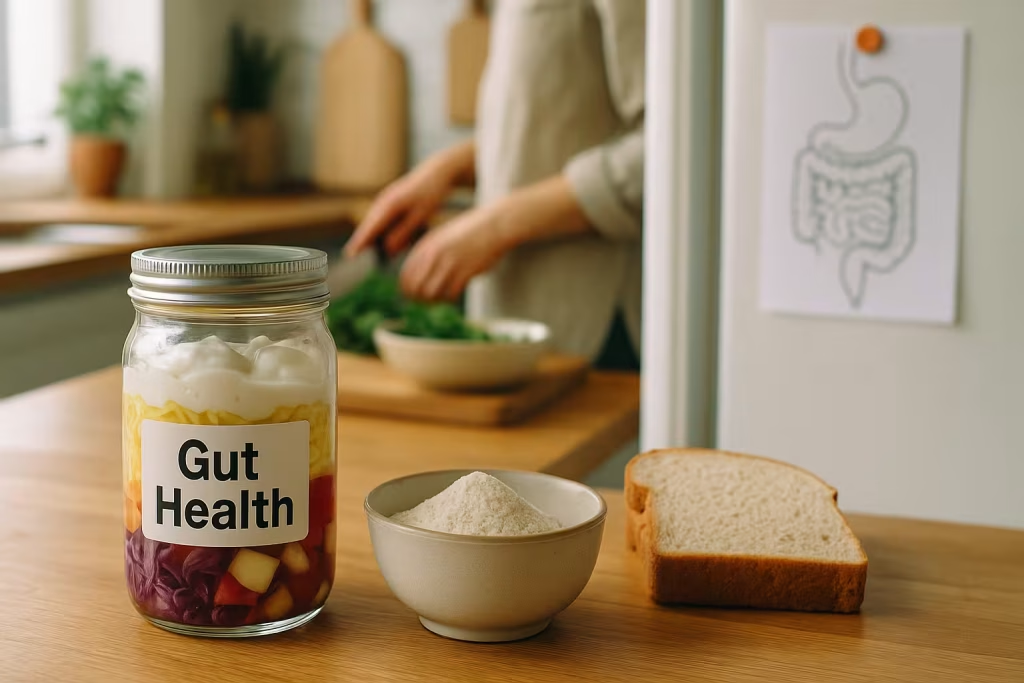
Even if wheat had stayed exactly the same, our bodies haven’t. One of the biggest missing pieces in the “why does wheat bother me now?” puzzle is gut health. Our grandparents’ guts were stronger, more diverse, and far more resilient than what many of us are working with today. Modern life chips away at gut health slowly, and when you stack all those stressors together, your digestive system simply can’t handle wheat the way it used to.
Think about a typical week for most families — stress, grab-and-go meals, less fiber, more sugar, more processed ingredients, fewer whole foods, and maybe a round of antibiotics thrown in every few years. None of these things are dramatic on their own, but combined, they weaken the gut lining and disturb the balance of bacteria that help us break down food.
Here are some of the biggest modern gut disruptors:
- Antibiotics — lifesaving but hard on beneficial gut bacteria
- Highly processed foods — low fiber and full of additives
- Sugar and seed oils — increase inflammation
- Stress and poor sleep — weaken digestion and immunity
- Low-fiber diets — starve the microbes that help digest grains
- Environmental toxins — from cleaning supplies, plastics, pesticides
- C-sections & formula feeding — may reduce early-life microbiome diversity (not wrong, just part of the picture)
When your gut is already inflamed or imbalanced, modern wheat’s more complex gluten proteins — plus all the processing and additives — hit much harder. What would’ve been a mild reaction decades ago can feel like a full-on digestive storm today.
This is also why many people feel dramatically better once they remove wheat, even if they test negative for celiac disease. It’s not “in their head.” It’s in their gut. Modern wheat plus a modern gut often equals modern symptoms.
But here’s the encouraging part: strengthening your gut makes a huge difference. Even small shifts — more whole foods, better sleep, fermented foods, and less stress — can help your body calm down and become more resilient over time.
How to Shop Smarter Without Fear
Grocery shopping shouldn’t feel like walking through a minefield — even when you’re gluten-free. One of the biggest mindset shifts that helped me was realizing I didn’t need to be scared of food. I just needed to understand it. Once you know what to look for (and what to skip), the grocery store becomes a whole lot less stressful.
The good news? You don’t have to memorize long ingredient names or become a food scientist. Most gluten-free families can make better choices by focusing on a few simple habits that keep shopping clean, clear, and uncomplicated.
Here are some of the smartest (and easiest) things you can do:
1. Keep Ingredient Lists Short
Look for products with simple, real-food ingredients.
If you wouldn’t cook with it at home, your gut probably doesn’t love it.
2. Choose Whole-Food Gluten-Free Flours
Better options include:
- Almond flour
- Coconut flour
- Cassava flour
- Buckwheat flour
- Sorghum flour
- Brown rice flour
These tend to be gentler on digestion and don’t require chemical additives to behave like wheat.
3. Be Cautious With “Gluten-Free” Packaged Foods
Not all gluten-free foods are created equal. Some are packed with:
- Emulsifiers
- Stabilizers
- Gums
- Starches
- Industrial seed oils
- Excess sugar
These ingredients can still upset sensitive stomachs — even without gluten.
4. Know the Sneaky Places Wheat Hides
Wheat isn’t just in bread. It shows up in:
- Soy sauce
- Soups and gravies
- Salad dressings
- Spice blends
- French fries (yep, really)
- Pre-made burgers and meatballs
- Seasoned rice mixes
A simple label check can save you a lot of guessing.
5. Choose Organic When You Can
Organic products limit pesticide and herbicide exposure — especially important when buying oats, wheat alternatives, or produce for kids.
6. Stick to Naturally Gluten-Free Staples
Fruits, veggies, lean meats, legumes, nuts, seeds, and whole gluten-free grains should make up most of your cart. They’re naturally safe and naturally nourishing.
7. Look for Certifications When It Matters
“Certified Gluten-Free” is the safest label for products that tend to get contaminated during manufacturing (like oats, snacks, flours, and processed foods).
Shopping gluten-free doesn’t have to feel overwhelming. With a few simple guidelines and a little practice, you’ll build confidence — and your cart will naturally start leaning toward foods that help your family feel their best.
Eating Out: Why Modern Wheat Makes Dining Out Riskier

Let’s be honest — eating out with food sensitivities can feel like walking a tightrope. You want to enjoy yourself and not feel like the “difficult” one at the table, but you also want to avoid spending the rest of the day with stomach cramps or worse. If you’ve ever had a reaction after a restaurant meal and thought, “I ordered gluten-free — what happened?” — you’re not alone.
One of the biggest challenges isn’t just gluten itself, but how modern wheat sneaks into everything — especially in restaurant kitchens where ingredients are often pre-mixed, processed, or used in bulk.
Here’s the truth: dining out used to be safer. Today’s wheat is more processed, more hidden, and more likely to show up in unexpected places. And most kitchens aren’t equipped to handle cross-contamination the way a gluten-free household is.
Common Places Wheat Hides in Restaurants
Even if you’re not eating bread or pasta, modern wheat might still be lurking. Here’s where it often hides:
| Dish Type | Hidden Wheat Sources |
|---|---|
| French fries | Coated in flour or fried in shared oil |
| Soups & sauces | Thickened with wheat flour or roux |
| Grilled proteins | Marinated in soy sauce or spice blends with gluten |
| Salads | Croutons, dressings, or seasoning packets |
| Eggs & omelets | Some diners add pancake batter to bulk them up |
| Burgers & sandwiches | Buns, seasonings, and shared grill space |
| Smoothies & shakes | Protein powders or flavorings with malt or wheat |
| Desserts | Garnishes, dustings, or fillings containing flour |
Even if something sounds safe, it might be cross-contaminated or cooked alongside wheat-heavy ingredients.
Simple Tips to Stay Safe (Without the Stress)
Eating out can still be fun — you just need a game plan. Here are some tips I use when dining out with my family:
- Ask for the allergen menu (if available) — it’s your best friend.
- Let your server know clearly: “I have a gluten sensitivity” tends to get more attention than “I eat gluten-free.”
- Avoid deep fryers — unless the restaurant confirms they use a dedicated gluten-free fryer.
- Stick to simply prepared meals like grilled meat with steamed veggies or baked potatoes.
- Watch for sauces and dressings — ask for them on the side or skip them if unsure.
- Double-check “gluten-free” items — just because it’s labeled doesn’t mean it’s handled safely.
- Use apps or review sites that rate restaurants on gluten-free friendliness (like Find Me Gluten Free).
- Trust your gut — literally. If something feels off, it’s okay to ask more questions or make a different choice.
Dining out while gluten-free takes a little more effort, but it doesn’t have to steal your joy. With a few habits and a confident voice, you can enjoy meals out and protect your health at the same time.
Expert Voices & Research (Simplified)
One of the most confusing parts about gluten and modern wheat is that experts don’t always agree on the “why.” But here’s the encouraging thing: even when researchers debate the details, they’re seeing many of the same overall trends. And those trends line up closely with what so many of us experience in real life.
Let’s break down what the research is pointing to — without getting lost in scientific jargon.
What Most Experts Agree On
Even with different opinions, researchers tend to agree on a few key points:
- Modern wheat has changed significantly over the last 50–60 years due to hybridization and breeding.
- Protein structures in wheat have shifted, which may affect digestibility for sensitive individuals.
- The modern diet and modern gut health make our systems more reactive overall.
- Food processing plays a major role, especially with additives, preservatives, and ultra-fine flours.
- Gluten intolerance and sensitivity are rising, even among people who test negative for celiac disease.
- Ancient grains are structurally different, and many people tolerate them better (though not those with celiac).
- Environmental factors like pesticides may influence how our bodies respond to wheat products.
None of these points prove that “wheat is evil.” But they do help explain why so many families feel such a dramatic difference when they remove it.
What the Research Says — in Simple Terms
Here are a few themes scientists keep circling back to:
- Protein Changes Matter
Studies suggest that some modern wheat varieties contain higher levels of certain gliadin proteins — the very ones tied to digestive discomfort. - Gut Health Is the Missing Link
Many researchers now believe gut inflammation and microbiome imbalance are just as important as gluten itself. A stressed gut reacts more intensely. - Additives May Play a Bigger Role Than We Thought
Ingredients like emulsifiers and preservatives can disrupt the gut lining and make gluten feel harsher — even in small amounts. - Pesticides Are Under the Microscope
Emerging research is exploring how chemicals like glyphosate may affect gut bacteria. It’s still being studied, but it’s something many experts are watching closely.
A Reputable Resource Worth Exploring
If you want to dig deeper into how wheat has changed over time, this overview from Harvard Health is a great, balanced place to start:
👉 Harvard Health Publishing – “Gluten: A Benefit or Harm to the Body?”
It doesn’t tell you what to think — it simply explains the science in a way that’s easy for everyday families to understand.
Why This Matters for You
Research is evolving, but the takeaway is encouraging: You’re not imagining your symptoms. You’re not being dramatic. And you’re definitely not alone.
Modern wheat + modern gut health + modern food additives = a very different experience than what past generations faced. Understanding the bigger picture helps you make choices with confidence instead of confusion.
Conclusion: A New Way to Look at Wheat
If there’s one thing I hope you take away from this, it’s that gluten is only one part of the story. The wheat we eat today is not the wheat our grandparents grew up on. It has been hybridized, processed, sprayed, stripped, and reshaped by modern farming and food manufacturing. Then we add in our modern lifestyles — stress, less sleep, less fiber, more processed food — and suddenly our bodies are dealing with more than they were ever designed for.
So when you react to wheat, feel bloated after bread, or get brain fog after pasta, it doesn’t mean you’re “too sensitive” or doing something wrong. It means your body is responding to a version of wheat it doesn’t fully recognize anymore. That’s not your fault — and you’re not alone.
Choosing gluten-free isn’t about fear or perfection. It’s about paying attention to what makes you feel your best. It’s about choosing real, simple foods that support a healthier gut and a more energized life. And it’s about giving yourself permission to listen to your body without second-guessing yourself.
You don’t need to have all the answers to make better choices. Just take the next small step. You deserve to feel good — and your family does too.
