

The gluten-free checker
Is it gluten-free?Start with a clearer answer.
Look up a food. Understand the details. Find your next step.
The current package matters. Ingredients and preparation can vary.
Browse the food library.
Start with a category. Find the guide you need.
120 guides across 12 categories.
Restaurant & Fast Food
- French Fries (Guide)
- Chipotle — Full Menu (Guide)
- Arbys Curly Fries
- Arbys Roast Beef
- Burger King Fries
- Chick-Fil-A Grilled Nuggets
- Chilis
- Chipotle Chicken
- Chipotle Sofritas
- KFC Grilled Chicken
- Pf Changs
- Popeyes Red Beans And Rice
- Red Robin
- Starbucks Egg Bites
- Starbucks Pink Drink
- Subway
- Taco Bell Crunchy Taco
- Tgi Fridays
- Wendys Chili
- Wendys Frosty
Beverages & Drinks
- Sodas & Soft Drinks (Guide)
- Tea — Every Variety (Guide)
- Almond Milk
- Apple Juice
- Monster Energy
- Pepsi
- Coke
- Dr Pepper
- Gatorade
- Ginger Beer
- Herbal Tea
- Hersheys Milk Chocolate Bar
- Iced Tea
- Instant Coffee
- Krusteaz
- Lemonade
- Macadamia Milk
- Milky Way Bar
- Mountain Dew
- Orange Juice
- Pineapple Juice
- Powerade
- Red Bull
- Root Beer
- Sprite
- White Tea
Candy & Sweets
Chips, Crackers & Snack Bars
Cereals & Breakfast Foods
Condiments, Sauces & Spices
Baking, Pantry & Ingredients
Soups & Canned Goods
Medications & Supplements
Dairy & Eggs
Bread, Pasta & Grains
Other Foods & Ingredients
A useful answer includes the details.
Find the closest match.
Start with the food or ingredient, then check the brand and variety.
Follow the source.
Open the full guide for context, references, and available review notes.
Check your package.
Compare the answer with the label in your hand. Ask when details are unclear.
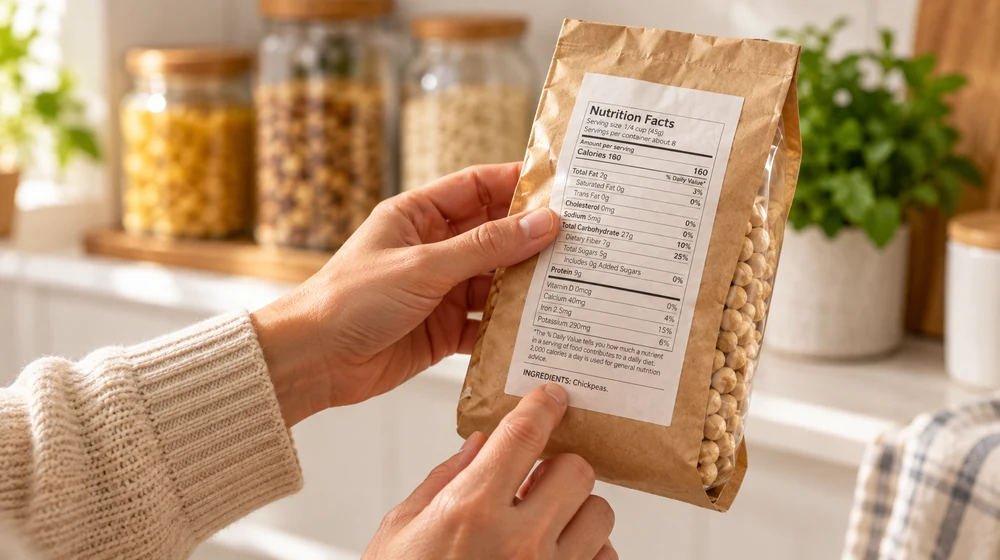
Shopping with a package in hand?
Take a closer look at the label with our gluten-free scanner.
Open the scannerA little more clarity.
What does a checker result mean?
A published-guide result is a starting point, with a link to the full guide for context. Read the answer and its conditions together. If the checker offers an AI estimate instead, it is clearly labeled and is not a reviewed guide.
Why does the exact product matter?
A food name alone may not identify the brand, variety, ingredients, or preparation you have in front of you. Compare the guide with the current package, and follow up with the manufacturer when something is unclear.
What should I do if there is no match?
Try a simpler food or ingredient name, choose a suggested search, or browse the categories above. A missing answer is not confirmation that a food is gluten-free. An AI estimate, if offered, should be checked against the product and reliable sources.
Where can I find sources and review notes?
Open the full guide linked in a result to read the available explanation and references. When the checker’s source record includes a review date, it is shown with the answer. AI estimates are labeled separately and do not receive a guide review date.
What does a gluten-free label mean in the U.S.?
For FDA-regulated packaged foods, a “gluten-free” claim means the food must meet the FDA’s ingredient requirements and contain less than 20 parts per million (ppm) of gluten. The claim is voluntary, so its absence does not automatically mean a food contains gluten. Read the FDA’s gluten-free labeling explanation for the full requirements.
Why does preparation matter?
Ingredients are one part of the picture. Gluten can also transfer through contact with other foods or shared equipment during storage, preparation, and serving. For a restaurant meal, ask about both the ingredients and how the food is prepared. See NIDDK’s guidance on cross-contact and our dining-out guides for more help.
Educational information, not personal medical advice. Check the exact product and ask your care team about your individual needs.
More help with gluten-free basics
Explore Gluten-Free 101 for the foundations, grocery guides for shopping, and dining-out guides for questions to ask away from home.
New to gluten-free?
You don’t have to figure everything out today.
Start with the basics and build from there.