

On this page
A gluten-free diet for athletes isn’t just about avoiding wheat — it’s about fueling hard workouts, recovering faster, and competing at your best without compromising your gut. Whether you’re training for a marathon, hitting a CrossFit WOD, or chasing a new half-marathon PR, eating gluten-free adds a layer of complexity that most sports nutrition guides completely ignore.
As a nurse who manages a gluten-free, active household, I know how frustrating it is to hunt for hidden gluten in sports products. The sports nutrition world is full of hidden gluten — from pre-workout powders to recovery drinks to seemingly innocent granola bars. One wrong choice can sideline you for days.
A well-planned gluten-free diet can absolutely support elite athletic performance. Research suggests that athletes with celiac disease who maintain a strict gluten-free diet can achieve the same performance outcomes as their non-celiac peers — but the planning has to be intentional.
In this guide, I’m breaking down exactly what gluten-free athletes need to know: carb timing, protein sources, safe energy products, and pre/post-workout nutrition strategies that actually work. Let’s get into it.
Key Takeaways
- Athletes with celiac disease can perform at a high level on a gluten-free diet with deliberate carbohydrate and protein planning.
- Many mainstream sports nutrition products — gels, bars, and powders — contain hidden gluten or are made in shared facilities.
- Certified gluten-free energy products exist and work just as well as conventional options.
- Carb timing, adequate calorie intake, and iron/B12 monitoring are the three biggest nutritional priorities for gluten-free athletes.
- Meal prep is your secret weapon — batch cooking GF carbs ahead of training days saves time and reduces cross-contamination risk.
Why Nutrition Gets Harder for Gluten-Free Athletes
Athletes have high caloric and carbohydrate needs. The problem is that many of the easiest, most convenient carb sources — bread, pasta, granola bars, sports nutrition products — traditionally contain wheat. Going gluten-free doesn’t shrink your nutritional needs; it shrinks your grab-and-go options.
For athletes with celiac disease, there’s an additional layer: intestinal damage from accidental gluten exposure can impair nutrient absorption, particularly iron, B12, folate, and zinc. According to the Celiac Disease Foundation, undiagnosed or poorly managed celiac disease can lead to malabsorption that directly impacts endurance and strength. Even trace contamination can blunt your body’s ability to absorb the fuel you’re eating.
The good news? Once your gut heals and you dial in a clean GF eating plan, performance doesn’t have to suffer. It just takes more intention than opening a box of energy bars.
Carbohydrate Timing for Gluten-Free Athletes
Carbohydrates are still king for endurance and high-intensity performance. The National Institute of Diabetes and Digestive and Kidney Diseases confirms that a gluten-free diet can be nutritionally complete when whole food GF carb sources are prioritized — it’s just a matter of knowing which ones to reach for.
Pre-workout (1-2 hours before): Aim for 30-60g of easily digestible carbs. A banana with rice cakes or a small bowl of white rice with honey hits this window perfectly.
During exercise (60+ minutes): Target 30-60g of carbs per hour from certified GF sources. More on safe gels and chews below.
Post-workout (within 30-60 minutes): Combine carbs with protein in roughly a 3:1 or 4:1 ratio to replenish glycogen and start muscle repair. A bowl of GF pasta with ground turkey or a rice bowl with chicken works great here.
Protein Sources That Work for GF Athletes
Most whole-food protein sources are naturally gluten-free: eggs, chicken, beef, fish, legumes, dairy. The landmines are in processed protein products — protein bars, powders, ready-to-drink shakes, and meat seasonings that can sneak in wheat-based fillers or be processed on shared equipment.
Here’s what to look for and what to watch out for:
- Whey protein powders: Plain whey isolate is naturally GF, but flavored versions often contain additives processed with wheat. Look for products certified by the Gluten-Free Certification Organization (GFCO) or NSF Certified for Sport.
- Plant-based proteins: Pea protein, brown rice protein, and hemp protein are naturally GF. Orgain Organic Protein and Garden of Life Sport Organic Protein are both certified gluten-free options widely available at Target and Amazon.
- Meat and fish: Stick to unmarinated cuts and season them yourself. Pre-marinated meats and deli options frequently contain soy sauce or malt vinegar — both contain gluten.
- Greek yogurt and cottage cheese: Excellent recovery snacks that are naturally GF. Great Value and Fage Total both have clean ingredient labels.
- Beans and lentils: Underused by athletes, but a high-fiber, high-protein GF staple. Just rinse canned beans well and check for any added seasonings.
Safe Energy Gels, Chews, and Sports Drinks for GF Athletes
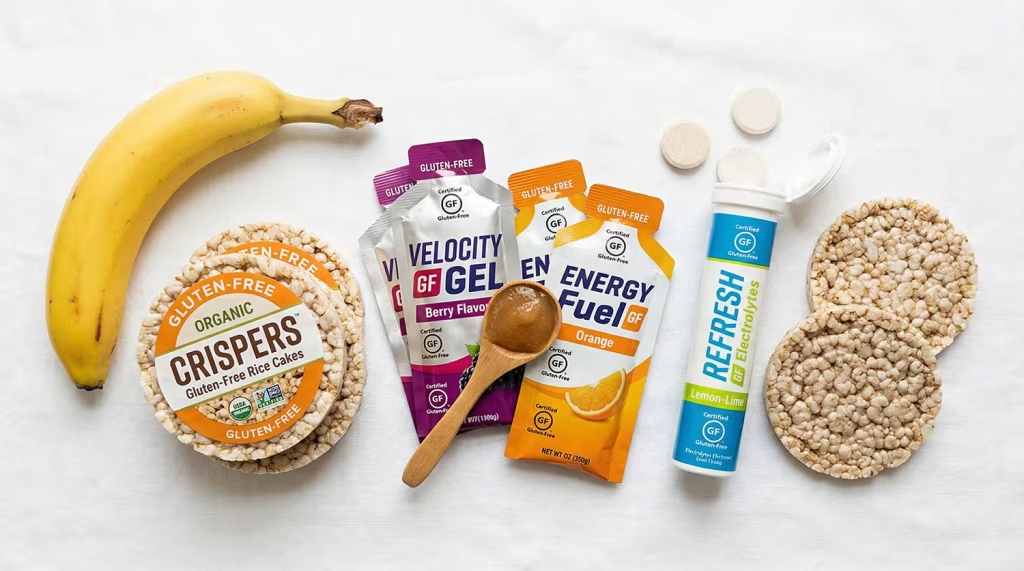
This is where gluten hides in plain sight. Many popular energy gels and sports nutrition products are made in facilities that also process wheat, or contain maltodextrin derived from wheat (though US-produced maltodextrin is typically corn-based — always verify). When you’re 15 miles into a trail run, you do not want to be guessing.
Our Top Picks for Gluten-Free Athletes
GU Energy Gels are labeled gluten-free and are one of the most widely tested, widely trusted gels in endurance sports. With 100 calories and 20-22g of carbs per packet, they’re practical for anything from a 10K to an Ironman. Flavors like Salted Caramel and Vanilla Bean are athlete favorites.
Made with organic tapioca syrup and honey, these are gluten-free certified and USDA Organic. Great for athletes who prefer a cleaner ingredient list. ~$2.00/packet.
Clif BLOK Chews are labeled gluten-free and offer a chewable format that some athletes prefer over gels. Available in caffeinated and non-caffeinated versions. ~$2.50/package.
Nuun Sport tablets are certified gluten-free by GFCO and provide electrolytes without excess sugar. A top pick for endurance athletes managing celiac. ~$7/tube (10 tablets).
Standard Gatorade Thirst Quencher is considered gluten-free by Gatorade’s manufacturer. It’s widely available and affordable — but it’s not certified. Fine for most athletes; higher-risk for highly sensitive individuals. See our full Gatorade and Gluten breakdown.
Products to Approach With Caution
- Clif Bars (original): These contain oats that are NOT certified gluten-free and are not safe for people with celiac disease. Do not confuse with Clif BLOK Chews.
- Many flavored protein powders: Cookie dough, brownie, and similar flavors frequently use wheat-based ingredients or are made in shared facilities. Always call the company directly if the label isn’t certified.
- Pre-workout powders: This category is riddled with gluten risk. Many contain barley extract, wheat germ, or unlabeled shared-facility contamination. Stick to products with verified GF certification.
Common Mistakes Gluten-Free Athletes Make
Watch Out For These GF Athlete Pitfalls
- Assuming “natural flavors” means gluten-free — natural flavors can be derived from barley or wheat
- Relying on regular Clif Bars or KIND Bars without checking the label for certified GF status
- Under-eating carbohydrates — many new GF athletes fear carbs, but this tanks performance fast
- Forgetting to check electrolyte and recovery drink labels, not just food
- Skipping post-workout nutrition because safe GF options aren’t prepped and ready
- Not monitoring iron and B12 levels annually — absorption issues from past intestinal damage can persist even after going GF
Pre- and Post-Workout Meal Ideas for GF Athletes
The best sports nutrition strategy is the one you’ll actually stick to. Here are real-world GF meal ideas that are easy to prep and effective for performance.
Pre-Workout Meals (1-2 Hours Before Training)
- White rice + banana + drizzle of honey (fast-digesting, low fiber, gut-friendly)
- GF oatmeal made with certified GF rolled oats + maple syrup + sliced banana
- GF toast (Canyon Bakehouse or Schar) with peanut butter and honey
- Small serving of GF pasta with olive oil and a light protein like eggs
Post-Workout Recovery Meals (Within 60 Minutes)
- Rice bowl with grilled chicken, black beans, avocado, and salsa
- GF pasta with ground turkey, marinara, and parmesan — great for glycogen reload after long runs
- Greek yogurt parfait with GF granola, berries, and honey
- Smoothie: banana + frozen mango + certified GF protein powder + almond milk
Frequently Asked Questions
For athletes without celiac disease or gluten sensitivity, research does not consistently show that a gluten-free diet improves performance. However, for athletes with celiac disease or non-celiac gluten sensitivity, eliminating gluten often leads to better energy, reduced GI distress during exercise, and improved nutrient absorption — all of which can translate to better performance over time.
Many popular energy gels are labeled gluten-free, but not all are certified. GU Energy Gels and Honey Stinger Organic Gels are among the most trusted options for athletes with celiac disease. Always verify with the manufacturer before relying on a new product during training or competition.
Gluten-free carb loading works the same way as conventional carb loading — you just use GF sources. White rice, GF pasta (Barilla Gluten-Free or Banza work well), potatoes, and fruit are all excellent options. Plan your carb-loading meals ahead of race week so you’re not scrambling to find safe options at the last minute.
Look for protein powders that carry GFCO certification or are verified gluten-free by NSF Certified for Sport. Garden of Life Sport Organic Protein and Orgain Organic Protein are two widely available, certified options. Avoid flavored powders with cookie-based or brownie flavors unless the GF certification is explicitly listed.
It can be more challenging than a conventional diet, but it’s very manageable with planning. Rice, potatoes, certified GF oats, fruit, GF pasta, and corn-based products give you plenty of carbohydrate options. The biggest mistake gluten-free endurance athletes make is under-fueling — don’t let fear of processed GF products lead you to avoid carbs altogether.
The Bottom Line
A gluten-free diet for athletes is completely compatible with high performance — but it requires more planning than tossing a granola bar in your gym bag. The foundation is the same as any sports nutrition plan: eat enough carbohydrates, prioritize protein, time your meals around your training, and stay consistent. The GF layer adds label-reading, product vetting, and a bit of batch cooking to the mix.
The athletes I’ve seen struggle the most on a GF diet are the ones who don’t plan ahead. They end up at mile 10 with nothing safe to eat, or they under-eat carbs because GF options feel limited. Start building your toolkit now — know your go-to pre-workout meals, keep certified GF energy products on hand, and prep your recovery food ahead of training days. Your performance will reflect the effort.
If you’re newly gluten-free and still figuring out the basics, don’t try to optimize everything at once. Focus on healing your gut first, then layer in performance nutrition. And no matter where you are in that journey, we’ve got you covered.
Want a week of GF athlete-friendly meals already planned out? Download our free 4-Week GF Meal Plan — it includes grocery lists, batch cooking tips, and easy high-carb dinner ideas perfect for training weeks.