Protein maxxing — the trend of eating far more protein than standard guidelines suggest — is having a real moment right now. Everywhere you scroll, someone’s chugging a shake, tracking grams, or stacking protein bars in their cart. And if you’re gluten-free, you might be wondering whether this trend is smart, safe, or just noise.
Here’s the good news: a gluten-free diet and a high-protein diet actually pair beautifully. But there are a few celiac-specific catches worth knowing before you go all-in.
As a registered nurse and a mom who’s fed a gluten-free household for years, I want to walk you through what protein maxxing really means, how much you actually need, and how to do it safely without gluten sneaking in. Let’s sort the hype from the helpful.
Key Takeaways
- Protein maxxing means eating more protein than standard recommendations — often 0.7 to 1 gram per pound of body weight — to support muscle, satiety, and body composition.
- A gluten-free diet works well for high-protein eating because most whole protein sources (meat, eggs, fish, dairy, legumes) are naturally gluten-free.
- Protein powders, bars, and processed products are where gluten most often hides, so always check for certified gluten-free labeling.
- Most healthy adults tolerate higher protein safely, but people with kidney disease should consult their doctor first.
What Is Protein Maxxing, Really?
Protein maxxing is the practice of prioritizing protein at every meal and pushing your daily intake well above the bare-minimum guideline. The official Recommended Dietary Allowance (RDA) is just 0.36 grams per pound of body weight — but that’s the amount needed to prevent deficiency, not to thrive.
Many people chasing muscle, better satiety, or healthier aging aim for 0.7 to 1 gram of protein per pound of goal body weight. According to the National Institute of Diabetes and Digestive and Kidney Diseases, protein needs can vary based on age, activity, and health status.
The appeal makes sense. Protein keeps you full longer, helps preserve muscle as you age, and supports recovery if you’re active. For families juggling busy schedules, it can also mean fewer energy crashes and less snacking chaos.
Why Gluten-Free and High-Protein Go Hand in Hand
Here’s something reassuring: most naturally high-protein foods are already gluten-free. That means protein maxxing may actually be easier for the celiac community than you’d expect.
Dairy is another win. Plain Greek yogurt, cottage cheese, and most natural cheeses are celiac-safe. In fact, pure whey is naturally gluten-free, which is great news if you like a post-workout shake.
My boys love scrambled eggs with cheese for a fast, protein-packed breakfast — no special GF products required. When your protein comes from whole foods, you sidestep most gluten worries entirely.
Where Gluten Hides in “Protein” Products
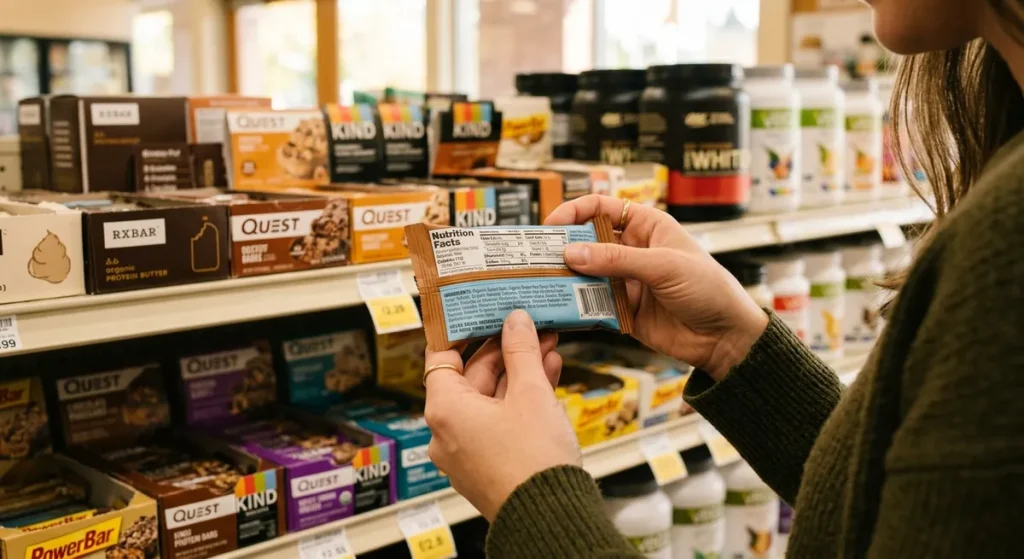
This is where protein maxxing gets tricky for the gluten-free crowd. Processed protein products are a common hiding spot for gluten, and the marketing rarely warns you.
Protein bars are a big one. Many contain barley malt, wheat-based crisps, or oats that aren’t certified gluten-free. Some protein powders add ingredients or are produced on shared equipment with wheat.
Watch out for these frequent offenders:
- Protein bars with crisped rice made from malt, or added oats without GF certification
- Flavored protein powders containing barley malt or produced on shared lines
- Seitan — a popular plant protein that is literally made from wheat gluten (avoid entirely)
- Meat substitutes and veggie burgers that use wheat as a binder
- Pre-marinated meats and rotisserie chicken with soy sauce or wheat-based seasonings
Even beef jerky can be risky, since many marinades use regular soy sauce. When in doubt, check our Is It Gluten-Free? checker before you buy.
Is Protein Maxxing Actually Healthy?
For most healthy adults, eating more protein than the RDA is generally safe and may offer real benefits. Research suggests higher protein intake can support muscle maintenance, weight management, and better satiety.
That said, “more” isn’t infinite. Your body can only use so much protein at once, and piling it on while skipping vegetables, fiber, and healthy fats isn’t doing you any favors nutritionally.
A few practical cautions worth keeping in mind:
- Balance matters. Don’t let protein crowd out fiber-rich vegetables and gluten-free whole grains like rice and certified gluten-free oats.
- Hydration counts. Higher protein intake means your body needs adequate water.
- Nutrient gaps are real. The celiac community is already at higher risk for iron, B12, and fiber deficiencies, so variety is key.
The bottom line from a nursing standpoint? Protein maxxing can be a smart, sustainable habit for most people — as long as it’s part of a balanced plate, not a replacement for one.
Our Top Picks for Gluten-Free Protein
You don’t need fancy products to hit your protein goals, but a few reliable staples make it easier. Here are the ones I trust and keep in our rotation.
Eggs, plain Greek yogurt, cottage cheese, chicken, and canned tuna are naturally gluten-free, affordable, and require zero label detective work. Build your protein base here before reaching for anything processed.
Look for a plain or vanilla whey isolate with GFCO certification. Pure whey is naturally gluten-free — the certification protects against cross-contamination.
Choose bars explicitly labeled gluten-free. Skip anything with barley malt or “crisped rice” unless it’s certified.
Budget-friendly plant protein with fiber. Rinse well and check that no wheat-based additives are listed.
Common Mistakes to Watch Out For
- Trusting the “protein” label alone. High-protein doesn’t mean gluten-free. Always read the ingredient list.
- Forgetting about cross-contamination. Shared equipment is common in protein powders and bars — certification matters.
- Overlooking marinades and sauces. Soy sauce, teriyaki, and seasoning blends on meats often contain wheat.
- Ignoring fiber and produce. Protein maxxing works best alongside vegetables and gluten-free whole grains.
- Going too extreme, too fast. Ramping up protein overnight can cause digestive discomfort. Build up gradually.
- Assuming all whey is created equal. Flavored powders may add gluten-containing ingredients even when the whey base is safe.
Frequently Asked Questions
The RDA is 0.36 grams per pound of body weight, but many active adults aim for 0.7 to 1 gram per pound to support muscle and satiety. Your ideal amount depends on age, activity, and health status, so it’s worth checking with your doctor or a registered dietitian.
Pure whey is naturally gluten-free and generally safe. However, flavored powders may add gluten-containing ingredients, and shared equipment can cause cross-contamination. Choose a product with GFCO or another gluten-free certification for peace of mind.
For most healthy people, higher protein intake is safe. But those with kidney disease should be cautious, and everyone benefits from balancing protein with fiber, produce, and healthy fats. Consult your doctor before making major dietary changes.
Some are, but many contain barley malt, oats, or wheat-based crisps. Never assume a bar is safe based on its “high-protein” or “healthy” marketing. Look for a clear gluten-free label or certification.
Lean on whole foods: eggs, Greek yogurt, cottage cheese, chicken, fish, and beans. These are naturally gluten-free, affordable, and don’t require label-reading. Add a certified gluten-free protein powder only if you need a convenient boost.
Protein Maxxing Made Simple (and Gluten-Free)
Protein maxxing can be a genuinely smart trend for the gluten-free community — and honestly, it may be easier for us than for anyone else. Most whole protein sources are naturally gluten-free, so you can hit ambitious goals without ever touching a specialty product.
The key is staying alert to the processed corners where gluten hides: bars, flavored powders, marinades, and meat substitutes. Read labels, favor certified products, and keep your plate balanced with fiber and produce. And if you have any kidney concerns, loop in your doctor before going high-protein.
You’ve already learned to navigate labels for gluten — this is just one more layer, and you’ve got this.