

On this page
Finding a gluten-free protein powder that actually tastes good, doesn’t wreck your stomach, and won’t drain your wallet feels like searching for a unicorn. I know — I spent the better part of a year cycling through tubs and bags of protein powder after my celiac diagnosis, dumping half of them down the drain because they tasted like chalk or left me bloated for hours.
For people with celiac disease or gluten sensitivity, protein powder isn’t just a gym bro supplement. It can be a critical tool for recovery — helping rebuild muscle mass, support gut healing, and fill nutritional gaps that are common after diagnosis. But here’s the problem: not all protein powders labeled “gluten-free” are actually safe, and the ones that are safe don’t always agree with a healing gut.
The best gluten-free protein powders are third-party certified, use minimal ingredients, and are formulated for easy digestion — with Orgain Organic Plant-Based Protein, Vital Proteins Collagen Peptides, and Klean Athlete Klean Isolate leading our picks for taste, gut-friendliness, and value. I’ve tested 10 certified GF protein powders across whey, plant-based, and collagen categories so you don’t have to waste your money figuring it out.
In this comparison, I’m breaking down exactly what I found — the honest taste scores, cost per serving, digestibility for sensitive stomachs, and which brands to avoid. Whether you’re newly diagnosed and trying to regain weight or you’ve been gluten-free for years and want a better daily shake, this guide has you covered.
Key Takeaways
- Not all “gluten-free” protein powders are certified safe — look for GFCO or NSF Certified Gluten-Free seals, not just a marketing claim on the label
- Collagen protein is often the easiest to digest for people with celiac disease or active gut inflammation, while whey isolate outperforms whey concentrate for sensitive stomachs
- Cost per serving ranges from $0.71 to $2.67 across our tested brands — and the most expensive option wasn’t the best
- Plant-based proteins have improved dramatically in taste, but some still cause bloating due to specific ingredients like inulin or chicory root fiber
- Your ideal protein type depends on your healing stage — we break down which type works best for newly diagnosed vs. long-term GF athletes
Why Gluten-Free Protein Powder Matters for Celiac Recovery
When I was first diagnosed with celiac disease, my gastroenterologist told me something I didn’t expect: I was protein deficient. Months of undiagnosed intestinal damage had impaired my ability to absorb nutrients, and protein was one of the biggest gaps. According to the Celiac Disease Foundation, malabsorption of macronutrients including protein is common in newly diagnosed celiac patients.
Protein is essential for rebuilding damaged intestinal villi, supporting immune function, and restoring muscle mass. Many people with celiac disease lose significant weight before diagnosis, and a quality protein supplement can accelerate recovery when paired with a strict gluten-free diet.
But here’s where it gets tricky. Your damaged gut may not tolerate all protein types equally. Whey concentrate, for example, contains more lactose than whey isolate — and secondary lactose intolerance is extremely common in people with active celiac disease. Plant-based proteins with added fibers can cause gas and bloating in a gut that’s still healing. Even collagen, which is generally gentle, can cause issues if it contains hidden additives.
Whey vs. Plant-Based vs. Collagen: What’s the Difference?
For GF athletes focused on performance, whey isolate or a complete plant blend will serve you best. For someone in the early stages of celiac recovery, collagen or whey isolate is typically gentler. And if you’re dairy-free (which many newly diagnosed celiacs need to be temporarily), plant-based or collagen is your lane.
How We Tested: Our Methodology
I didn’t just read labels and call it a day. Over the course of eight weeks, I tested each protein powder in my own kitchen using the same conditions. Here’s exactly how I evaluated them.
Certification Verification: I confirmed each product’s gluten-free certification directly through the manufacturer’s website and third-party certifier databases. Products with GFCO (Gluten-Free Certification Organization) certification test to ≤10 ppm gluten, which is stricter than the FDA’s 20 ppm threshold.
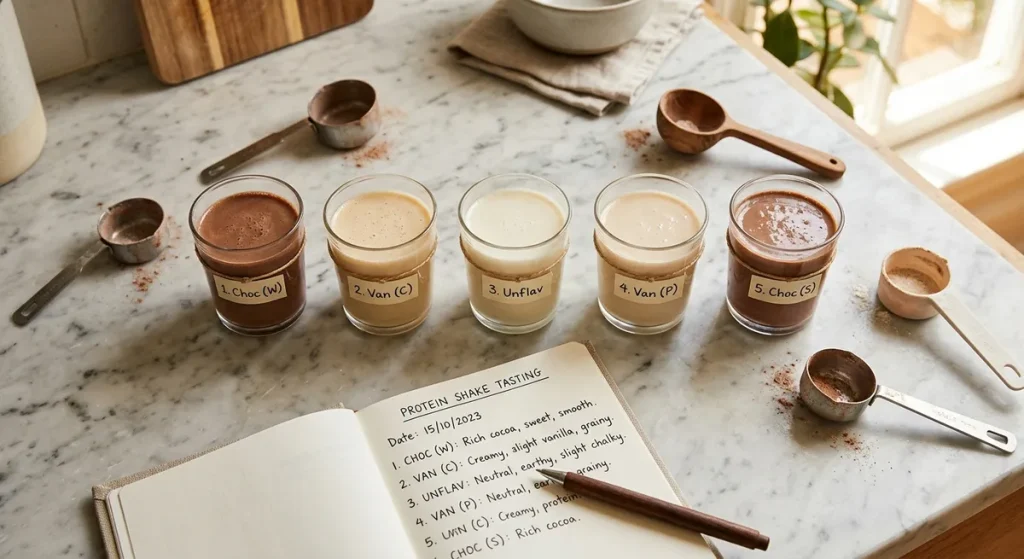
Taste Testing: Each powder was mixed with 10 oz of unsweetened almond milk in a blender bottle (no banana or peanut butter to mask the flavor). I tested chocolate and vanilla where available. My husband and my 8-year-old Austin also weighed in — because if a kid won’t drink it, that tells you something. Scores are on a 1-5 scale.
Digestibility: I tracked GI symptoms (bloating, gas, cramping, nausea) for 4 hours after each serving. I used each powder for at least 5 consecutive days before scoring. Digestibility scores reflect my experience as someone with celiac disease whose gut is mostly healed (3+ years GF). Results may differ if you’re newly diagnosed.
Cost Per Serving: Calculated using the retail price at the time of testing (Amazon or manufacturer direct), divided by the number of servings per container. Prices fluctuate, so I’ve noted the range.
Complete Gluten-Free Protein Powder Comparison
Here’s the full side-by-side comparison of all 10 gluten-free protein powders I tested. Below the table, I go into detail on each one.
| Brand & Product | Type | Protein/Serving | Cost/Serving | Certified GF | Taste (1-5) | Digestion (1-5) |
|---|---|---|---|---|---|---|
| Klean Athlete Klean Isolate | Whey Isolate | 20g | $1.83 | ✓ NSF Certified | ⭐⭐⭐⭐ | ⭐⭐⭐⭐⭐ |
| Promix Whey Isolate | Whey Isolate | 25g | $1.50 | ✓ Informed Sport | ⭐⭐⭐⭐ | ⭐⭐⭐⭐ |
| Levels Grass Fed Whey | Whey Isolate | 24g | $1.33 | ✓ Informed Sport | ⭐⭐⭐⭐⭐ | ⭐⭐⭐⭐ |
| Orgain Organic Plant-Based | Plant (Pea/Rice) | 21g | $1.25 | ✓ USDA Organic | ⭐⭐⭐⭐ | ⭐⭐⭐⭐ |
| Nuzest Clean Lean Protein | Plant (Pea) | 20g | $2.00 | ✓ GFCO | ⭐⭐⭐⭐ | ⭐⭐⭐⭐⭐ |
| Garden of Life Raw Organic | Plant (Multi) | 22g | $1.67 | ✓ NSF Certified | ⭐⭐⭐ | ⭐⭐⭐ |
| Vital Proteins Collagen Peptides | Collagen (Bovine) | 20g | $1.47 | ✓ Whole30 Approved | ⭐⭐⭐⭐ | ⭐⭐⭐⭐⭐ |
| Sports Research Collagen Peptides | Collagen (Bovine) | 11g | $0.71 | ✓ Informed Sport | ⭐⭐⭐⭐ | ⭐⭐⭐⭐⭐ |
| Further Food Collagen Peptides | Collagen (Bovine) | 18g | $1.60 | ✓ GFCO | ⭐⭐⭐⭐ | ⭐⭐⭐⭐⭐ |
| Vega Sport Premium | Plant (Pea/Pumpkin) | 30g | $2.67 | ✓ NSF Certified | ⭐⭐⭐ | ⭐⭐⭐ |
Our Top Picks: Best Gluten-Free Protein Powders by Category
After weeks of testing, here are the protein powders I actually keep buying — and the ones I’d recommend to friends, family, and fellow celiacs without hesitation.
Best Overall: Orgain Organic Plant-Based Protein
Best combination of taste, price, digestibility, and clean ingredients. USDA Organic, soy-free, dairy-free, and my boys actually request smoothies made with the chocolate flavor.
Orgain hits the sweet spot that most protein powders miss entirely. At $1.25 per serving, it’s one of the most affordable options on this list. The chocolate flavor is genuinely good — creamy, not gritty, with no weird aftertaste. It’s made from organic pea protein, brown rice protein, and chia seeds, giving you a complete amino acid profile without dairy.
Digestibility was solid for me — no bloating, no cramping. The ingredient list is clean with no artificial sweeteners. It uses organic erythritol and stevia, which some people are sensitive to, but I had no issues. If you’re dairy-free and need a do-everything protein powder, this is where I’d start.
Best for Gut Healing: Vital Proteins Collagen Peptides
20g protein per serving, $1.47/serving. Dissolves completely in hot or cold liquids with zero taste. Whole30 Approved. The single best option for newly diagnosed celiacs focused on gut repair.
If you’re in the early stages of celiac recovery and your gut is still angry, Vital Proteins Collagen Peptides is where I’d point you first. It’s completely flavorless and dissolves into coffee, smoothies, soups — even water. No dairy, no plant fibers, no potential irritants. Just hydrolyzed bovine collagen.
Research suggests that collagen may support intestinal barrier repair, which is exactly what a celiac gut needs. The amino acids glycine and glutamine in collagen are particularly important for gut lining integrity. This was the first protein I was able to tolerate daily without any GI distress post-diagnosis.
Best Whey Isolate: Klean Athlete Klean Isolate
20g protein per serving, $1.83/serving. NSF Certified for Sport (tested for banned substances AND gluten). Vanilla flavor is smooth with no artificial sweeteners. Excellent for sensitive stomachs.
Klean Athlete is made by the same parent company as the supplement brand Klean, and their whey isolate undergoes NSF Certified for Sport testing. This is one of the most rigorous third-party testing programs available — it screens for more than 270 substances, including gluten. For someone with celiac disease, that level of testing provides real peace of mind.
The vanilla flavor tastes like a mild vanilla milkshake. No sucralose, no acesulfame potassium — just sunflower lecithin and natural flavors. Because it’s a whey isolate (not concentrate), it’s virtually lactose-free. I experienced zero digestive issues, and it mixes smoothly with just a shaker bottle.
Best Budget Pick: Sports Research Collagen Peptides
11g protein per serving, $0.71/serving. Informed Sport Certified. Unflavored, single-ingredient collagen from grass-fed bovine. The most affordable celiac-safe protein supplement we tested.
At just $0.71 per serving, Sports Research is the budget champion. The trade-off? You’re getting 11g of protein per serving instead of 20g+, so you may need to double-scoop to match other products. Even doubled, it’s still just $1.42 — competitive with nearly everything else on this list.
Like Vital Proteins, it’s unflavored and dissolves cleanly. The single-ingredient formula (hydrolyzed bovine collagen peptides) makes it one of the safest options for extremely sensitive stomachs. If the cost of gluten-free living is already straining your budget, this is the smartest protein investment you can make.
Best for Athletes: Levels Grass Fed 100% Whey Isolate
24g protein per serving, $1.33/serving. Informed Sport Certified. Chocolate Peanut Butter flavor is hands-down the best tasting whey we tried. Hormone-free, grass-fed sourcing.
If taste is your top priority and you tolerate dairy, Levels wins. The Chocolate Peanut Butter flavor earned the only perfect 5/5 taste score in our testing — Austin literally asked for seconds, which has never happened with a protein shake in our house. It uses monk fruit and stevia for sweetness with no artificial flavors.
At 24g protein per serving and $1.33 per scoop, it delivers excellent value for gluten-free athletes who need to hit high protein targets. Digestion was good for me (4/5) — just a touch of fullness that I didn’t experience with the collagen powders, which is normal for whey.
Best GFCO-Certified Plant Protein: Nuzest Clean Lean Protein
20g protein per serving, $2.00/serving. GFCO Certified (≤10 ppm). European golden pea protein isolate. The cleanest plant protein with the gentlest digestion — perfect 5/5 on our GI scale.
Nuzest is the only plant-based protein on this list with official GFCO certification, which means it’s tested to the strictest gluten-free standard available (≤10 ppm vs. the FDA’s ≤20 ppm). For celiac patients who want absolute confidence in a plant-based powder, this is the gold standard.
The taste is clean and slightly sweet with a smooth texture — not as flavorful as Orgain, but zero grittiness. It’s pea protein isolate, so you avoid the common bloating triggers found in multi-ingredient plant blends. The only downside is cost at $2.00 per serving, making it the priciest plant option.
Brands to Be Cautious About
Garden of Life Raw Organic Protein: While NSF Certified for Sport and made with quality organic ingredients, this powder includes a raw sprouted grain blend, probiotics, and enzymes that caused significant bloating for me. The taste is also quite earthy and grainy — a 3/5. If your gut is fully healed and you don’t mind the flavor, it’s a decent product. But for sensitive stomachs, I’d steer clear.
Vega Sport Premium Protein: At $2.67 per serving, it’s the most expensive powder we tested — and it didn’t justify the price. The 30g protein per serving is impressive, but the added tart cherry, turmeric, probiotics, and BCAAs created a complex formula that my stomach didn’t love. I experienced mild cramping on 3 of 5 testing days. The chocolate flavor also had a chalky finish.
Choosing the Right Protein Type for Your Healing Stage
One of the biggest mistakes I see people make is choosing protein powder based on what’s popular on Instagram rather than what’s right for their body right now. Your ideal protein type depends heavily on where you are in your celiac or gluten-sensitivity journey.
Newly Diagnosed (0-6 Months Gluten-Free)
Your intestinal villi are likely still damaged, and secondary lactose intolerance is common during this phase. Research from the Mayo Clinic indicates that lactose intolerance often resolves as the gut heals, but it can take months to years.
Start with unflavored collagen peptides mixed into foods you already tolerate. Bone broth-based collagen is another gentle option. Avoid complex plant blends with added fibers, prebiotics, or probiotics until your gut stabilizes. If you need more protein than collagen provides, try a small amount of whey isolate (not concentrate) and monitor for symptoms.
Healing Phase (6-18 Months Gluten-Free)
Most people see significant gut improvement in this window. You can likely tolerate whey isolate well by now, and some people can reintroduce plant-based proteins without issues. This is a good time to experiment.
I’d recommend trying Orgain or Klean Athlete at this stage. Add a half serving to your morning smoothie for a week and track how you feel. If all goes well, increase to a full serving. Keep collagen in rotation for the gut-healing benefits — I still use it daily alongside my main protein powder.
Long-Term GF (18+ Months)
By now, your gut should be significantly healed (though this varies — some people need 2-5 years for full villous recovery). You can typically tolerate any protein type well. Choose based on your goals: whey isolate for muscle building, plant-based for dairy-free nutrition, or collagen for joint and skin support.
If you’re an athlete, Levels or Promix whey isolate will give you the best bang for your buck. If you want an all-in-one plant protein for general health, Orgain is hard to beat.
Common Mistakes When Choosing Gluten-Free Protein Powder
After years in the celiac community and countless conversations with readers, these are the mistakes I see most often when it comes to choosing a celiac-safe protein supplement.
1. Trusting “Gluten-Free” on the Label Without Checking Certification
The FDA allows products testing below 20 ppm gluten to use a “gluten-free” label. But not all gluten-free labels carry equal weight. A product can say “gluten-free” without any third-party testing. Look for specific certifications: GFCO (≤10 ppm), NSF Certified for Sport, or Informed Sport.
2. Choosing Whey Concentrate Instead of Whey Isolate
Whey concentrate retains more lactose than whey isolate. If you have celiac disease — especially if you’re in the first year of healing — whey concentrate can trigger bloating, gas, and diarrhea that you might mistakenly attribute to gluten contamination. Always choose isolate if you’re going the whey route.
3. Ignoring Added Fibers and Prebiotics
Ingredients like inulin, chicory root fiber, and FOS (fructooligosaccharides) are common in plant-based proteins. While these are healthy for most people, they can cause significant gas and bloating in a healing celiac gut. Check the ingredient list, not just the nutrition facts panel.
4. Not Checking for Cross-Contamination Risk in Manufacturing
Some protein powders are made in facilities that also process wheat, barley, or oats. Even with cleaning protocols, shared equipment poses a risk. Look for products that state “manufactured in a dedicated gluten-free facility” or have third-party testing that verifies the final product. When in doubt, apply the same scrutiny you’d use for medications and supplements.
5. Assuming More Ingredients Means Better
Protein powders with added superfoods, enzyme blends, probiotic strains, and vitamin complexes might seem like a better value. But every added ingredient is another potential trigger for a sensitive gut. When I first went gluten-free, the simplest formulas worked best. You can always add your own berries, spinach, or nut butter to a smoothie.
6. Overlooking Artificial Sweeteners
Sucralose, acesulfame potassium, and artificial flavors are common in mainstream protein powders. Research suggests these may negatively affect gut microbiome diversity, which is already compromised in people with celiac disease. Opt for powders sweetened with stevia, monk fruit, or small amounts of coconut sugar.
Gluten-Free Protein Powder Shopping Checklist
- Third-party GF certification (GFCO, NSF, or Informed Sport)
- Whey isolate, NOT concentrate (if choosing whey)
- No inulin, chicory root, or FOS (if gut is still healing)
- Manufactured in a dedicated or tested GF facility
- No artificial sweeteners (sucralose, acesulfame K)
- Short ingredient list (fewer than 10 ingredients ideal)
- At least 20g protein per serving for meaningful nutrition
How to Get the Most Out of Your Gluten-Free Protein Powder
Having the right protein powder is only half the equation. How you use it matters just as much — especially if you’re dealing with ongoing digestive sensitivity.
Best Smoothie Base for Sensitive Stomachs
Skip the dairy milk if you’re in early recovery. My go-to smoothie base is unsweetened almond milk or coconut milk with half a frozen banana for creaminess. The banana adds natural sweetness and potassium without irritating the gut. Add your protein powder last and blend on low for 15-20 seconds — over-blending can create foam that causes you to swallow air and feel bloated.
Timing Your Protein Intake
For post-workout recovery, aim to consume protein within 30-60 minutes of exercise. But honestly? For most of us, total daily protein intake matters far more than timing. The International Society of Sports Nutrition recommends 1.4-2.0g of protein per kilogram of body weight daily for active individuals. If you’re recovering from celiac malnutrition, your doctor may recommend the higher end of that range.
I split mine into two servings: collagen in my morning coffee and a whey or plant-based shake after my afternoon workout. This keeps me from asking too much of my digestive system at once.
Creative Uses Beyond Smoothies
Protein powder doesn’t have to live in a blender bottle. Here are some ways I use it throughout the week:
- Stirred into oatmeal: Add a scoop of vanilla protein to gluten-free oatmeal while it’s still hot for a high-protein breakfast
- Mixed into GF pancake batter: Adds 10-15g of protein per serving without changing the texture much
- Coffee creamer replacement: Unflavored collagen dissolved in hot coffee with a splash of almond milk
- Baked goods: Swap 1/4 cup of flour for protein powder in GF baking recipes (works best with whey or collagen)
- Energy bites: Mix with oats, nut butter, and honey for grab-and-go meal prep snacks
Frequently Asked Questions
Pure whey protein is naturally gluten-free since it’s derived from milk, not grains. However, flavored whey protein powders may contain gluten-based additives, barley malt flavoring, or be manufactured on shared equipment with wheat-containing products. Always choose a whey protein with third-party gluten-free certification from organizations like GFCO or NSF.
Research suggests that adequate protein intake supports intestinal healing and helps rebuild tissue damaged by celiac disease. Protein powder can be a convenient way to meet increased protein needs during recovery, especially when appetite is low or digestive tolerance is limited. However, it should supplement — not replace — a balanced gluten-free diet. Consult your gastroenterologist about your specific protein needs.
Several common protein powder ingredients can cause bloating in people with celiac disease or gluten sensitivity. Whey concentrate contains lactose that many celiacs can’t digest during the healing phase. Plant-based powders often include prebiotic fibers like inulin or chicory root that ferment in the gut. Added sugar alcohols, artificial sweeteners, and probiotic blends can also trigger GI symptoms. Choosing simple formulas with minimal ingredients typically reduces bloating.
GFCO (Gluten-Free Certification Organization) tests products to a threshold of ≤10 ppm gluten, which is stricter than the FDA’s ≤20 ppm standard. NSF Certified for Sport tests for over 270 banned substances including gluten, and is widely used in athletic supplements. Both are reliable third-party certifications. GFCO is specifically focused on gluten, while NSF has a broader testing scope that happens to include gluten.
No — collagen protein is not as effective as whey for muscle protein synthesis. Collagen is low in the amino acid leucine, which is the primary trigger for muscle building. Whey isolate is considered the gold standard for muscle growth and post-workout recovery. Collagen’s strengths lie in gut lining support, joint health, and skin elasticity. Many celiac patients benefit from using both: collagen for healing and whey or plant protein for muscle maintenance.
You can’t tell by taste or appearance alone. If you experience symptoms consistent with gluten exposure after using a new protein powder — even one labeled gluten-free — it may indicate cross-contamination. Products with third-party batch testing (GFCO, NSF, Informed Sport) provide the highest assurance. Some people also use at-home gluten test kits like Nima Sensor to spot-check products, though these have limitations. When in doubt, contact the manufacturer directly to ask about their facility and testing protocols.
Your Best Gluten-Free Protein Powder Comes Down to Three Things
Choosing the right gluten-free protein powder comes down to three things: where you are in your healing journey, what your stomach can actually handle, and what fits your budget. There’s no single “best” protein powder for everyone — but after testing 10 products across whey, plant-based, and collagen categories, I’m confident that the recommendations above will save you time, money, and a lot of stomachaches.
If I had to pick just one for someone starting out? Vital Proteins Collagen Peptides for the newly diagnosed (gentle, flavorless, zero GI issues) and Orgain Organic Plant-Based Protein for everyone else (great taste, fair price, clean ingredients). If you tolerate dairy and want maximum muscle support, Klean Athlete Klean Isolate or Levels Grass Fed Whey won’t disappoint.
Your body is doing hard work rebuilding itself on a gluten-free diet. Give it the fuel it needs — and don’t settle for protein powder that makes you feel worse. You deserve better than that. 💚
Want help building a complete nutrition plan around your protein goals? Download our free GF Nutrition Cheat Sheet — it includes daily protein targets by body weight, the best whole-food protein sources that are naturally gluten-free, and a simple meal planning template to make sure you’re covering all your bases.