

On this page
Most people start feeling better within a few days to a few weeks after quitting gluten — but full healing can take months to years, depending on how much intestinal damage occurred. Knowing what to expect at each stage makes the process so much less scary.
When I first went gluten-free, nobody told me there would be weeks where I felt worse before I felt better. I thought I was doing something wrong. I wasn’t — and if you’re in that place right now, you probably aren’t either.
As a registered nurse and someone who’s lived this firsthand, I want to give you an honest, realistic picture of the healing timeline. Not the rosy version that makes it sound like you’ll feel amazing by next Tuesday, but the real one — with actual milestones, honest caveats, and practical ways to support your body along the way.
In this article, I’ll walk you through what research and clinical experience suggest about healing week by week, what factors speed recovery up or slow it down, and when to go back to your doctor if things aren’t improving.
Key Takeaways
- Many people notice early digestive relief within 1–2 weeks of going gluten-free, though some experience a temporary worsening first.
- Significant energy and brain fog improvement often appears between weeks 4–8 for people with celiac disease or non-celiac gluten sensitivity.
- Full intestinal villous healing in celiac disease can take 1–2 years (or longer) in adults — but most people feel dramatically better long before that.
- Factors like your level of intestinal damage, age, and accidental gluten exposure all affect how fast you feel better after quitting gluten.
- Nutritional deficiencies — especially iron, B12, and vitamin D — can delay recovery and need to be addressed alongside the diet change.
Week 1–2: The Earliest Changes (and Why You Might Feel Worse First)
Here’s something that surprises a lot of newly diagnosed people: the first week gluten-free can actually feel rough. Bloating, headaches, fatigue, and even mood changes are common in the first few days. This is sometimes called “gluten withdrawal,” though it’s not fully understood — research is still limited on the exact mechanism.
Your gut microbiome is shifting, your body is adjusting to a different diet, and if you’ve been eating a lot of processed foods, you may be dealing with fiber or nutrient changes too. This is temporary. Hang in there.
By the end of week two, many people with non-celiac gluten sensitivity report noticeable improvements in bloating and gas. People with celiac disease may also see early relief in acute digestive symptoms like diarrhea, urgency, and cramping — though the internal healing has barely begun at this point.
Weeks 3–8: When Most People Start Feeling Real Relief
This is the window where things typically start to shift in a meaningful way. For many people — especially those with non-celiac gluten sensitivity — weeks three through eight bring clearer improvement in multiple areas at once.
It’s worth noting that “feeling better” doesn’t mean “fully healed.” Even if you feel great at week six, your intestinal villi may still be in early repair stages. This is why staying strictly gluten-free even when you feel fine is so important — especially for celiac disease.
Months 3–12: Deeper Healing and Nutritional Recovery
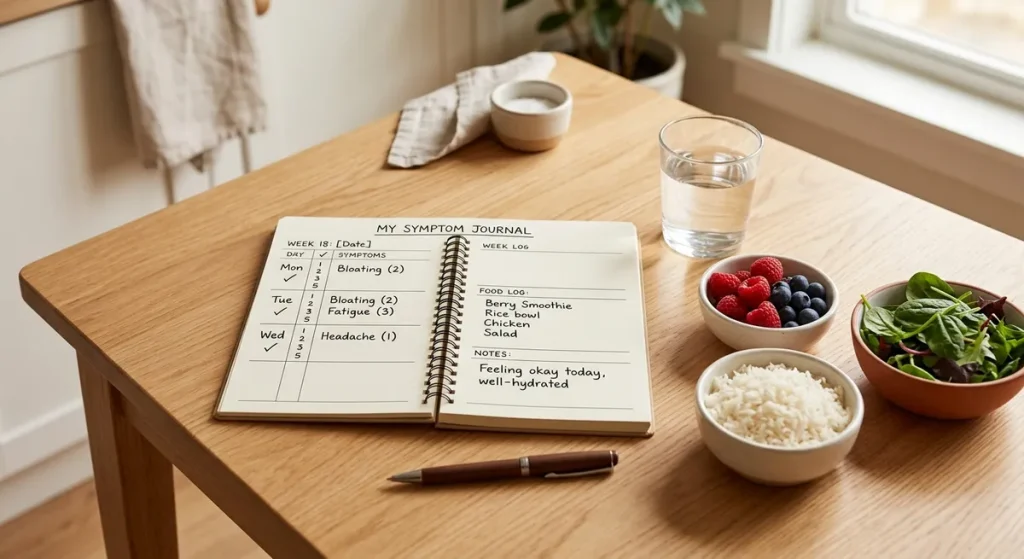
By month three, most people are feeling noticeably better — but this is also when some frustrating “why isn’t this fixed yet?” feelings can creep in. Hair loss, ongoing fatigue, skin issues, and mood symptoms can persist because nutritional deficiencies take time to correct even after the gut starts healing.
Research published in the journal Alimentary Pharmacology & Therapeutics and referenced by the Celiac Disease Foundation suggests that most adults with celiac disease show significant villous improvement within 6–12 months on a strict gluten-free diet, but complete mucosal recovery often takes longer — sometimes 2 or more years in adults.
Children typically heal faster. According to the National Institute of Diabetes and Digestive and Kidney Diseases (NIDDK), most children with celiac disease see complete intestinal healing within 3–6 months of a strict gluten-free diet.
If hair loss has been part of your experience, know that this is extremely common during the recovery phase and it does improve — but the timeline is individual.
What Slows Down Recovery: Factors That Affect Your Timeline
Not everyone heals at the same pace, and that’s completely normal. Here are the biggest factors that research and clinical experience suggest can influence how long it takes to feel better after quitting gluten.
- Severity of intestinal damage: Higher Marsh scores (indicating more extensive villous atrophy) at diagnosis generally mean a longer healing timeline.
- Age: Adult intestinal tissue heals more slowly than children’s. Adults over 50 may have a longer recovery curve.
- Accidental gluten exposure: Even small amounts of gluten can restart the inflammatory response and set healing back significantly in people with celiac disease.
- Nutrient deficiencies going in: Deficiencies in iron, vitamin D, zinc, and B vitamins at diagnosis can delay how fast you feel better, even after the diet is clean.
- Other autoimmune conditions: Many people with celiac also have thyroid disease, Type 1 diabetes, or other conditions that overlap with GF symptoms.
- Dietary mistakes: Hidden gluten in medications, supplements, sauces, and processed “gluten-free” foods with cross-contact can stall recovery without you knowing it.
Supplements and Foods That Support Gut Healing
A strict gluten-free diet is the foundation of recovery — there’s no supplement that replaces it. But there are evidence-supported ways to support your gut as it heals.
For a full breakdown of what to eat during recovery, check out our Gut Healing Diet Plan. In the meantime, here’s a quick snapshot of what research and clinical guidance suggest may help:
Recovery Support Checklist
- Ask your doctor about testing for iron, vitamin D, B12, folate, and zinc at diagnosis
- Consider a high-quality certified gluten-free multivitamin while healing
- Include probiotic-rich foods (plain yogurt, kefir) or a GF-certified probiotic supplement
- Focus on whole, naturally gluten-free foods: rice, potatoes, meat, eggs, fish, fruits, vegetables
- Reduce highly processed GF substitutes in the first few months — they can be hard on a healing gut
- Stay well-hydrated and prioritize sleep — both support gut repair
- Follow up with your GI or primary care provider at 3–6 months to check antibody levels and nutrient status
Our Top Picks for Supporting Gut Healing
These aren’t magic — but they’re products many people with celiac and gluten sensitivity find genuinely helpful during the healing phase. Always confirm with your own doctor before starting new supplements.
Thorne Research’s Basic Nutrients 2/Day is certified gluten-free and contains methylated B vitamins — important for people with MTHFR variants who may not convert folic acid efficiently. It’s a clean, well-absorbed formula I genuinely trust for the healing phase.
Contains Lactobacillus rhamnosus GG, one of the most clinically studied probiotic strains. Gluten-free formula, widely available at mainstream pharmacies. Great starter probiotic for a healing gut.
Vitamin D deficiency is extremely common at celiac diagnosis. Nature Made is USP-verified and gluten-free. Many people need D3 supplementation well into recovery — always check levels with your doctor first.
A certified gluten-free, whole food iron supplement that’s gentler on the stomach than standard ferrous sulfate. Iron-deficiency anemia is one of the most common complications of undiagnosed celiac disease.
Common Mistakes That Stall Recovery
- Assuming “gluten-free labeled” means celiac-safe: The FDA’s gluten-free labeling standard requires fewer than 20 parts per million (ppm) of gluten — but some people with celiac are sensitive even at that threshold. Look for products certified by the Gluten-Free Certification Organization (GFCO), which tests to 10 ppm.
- Eating out too frequently early in recovery: Restaurant cross-contamination is one of the leading causes of ongoing symptoms in people who think they’re eating GF. Be especially cautious in the first few months.
- Not checking medications and supplements: Gluten can hide in pill coatings, fillers, and capsules. This is more common than most people realize.
- Skipping follow-up appointments: Your doctor should check tTG-IgA antibody levels and nutrient panels at 6 and 12 months to confirm healing is on track.
- Comparing your timeline to someone else’s: I see this constantly in GF communities. Your healing is your own. Someone who feels great at week three and someone who’s still working through fatigue at month six can both be doing everything right.
- Going GF without addressing nutritional deficiencies: Eliminating gluten removes the trigger, but it doesn’t automatically restore the nutrients your gut couldn’t absorb for years.
Frequently Asked Questions
Most people with celiac disease notice meaningful symptom improvement within 4–8 weeks of a strict gluten-free diet. However, full intestinal healing typically takes 1–2 years in adults. Children generally heal faster — often within 3–6 months. Feeling better and being fully healed are two different milestones.
It’s common to feel worse in the first 1–2 weeks. Digestive disruption, headaches, and fatigue can happen as your gut adjusts. If symptoms are severe or persist beyond 2–3 weeks without any improvement, contact your doctor. There may be another issue — such as a concurrent food intolerance, small intestinal bacterial overgrowth (SIBO), or a deficiency — worth investigating.
Yes — people with non-celiac gluten sensitivity (NCGS) generally don’t have the same level of intestinal damage as those with celiac disease, so symptom relief often comes faster. Many people with NCGS notice significant improvement within 2–4 weeks. That said, research on NCGS is still evolving, and individual responses vary widely.
You can support healing by eating whole, naturally GF foods, correcting nutrient deficiencies, avoiding hidden gluten sources, and reducing stress on the gut. Working with your doctor to address specific deficiencies — like iron, vitamin D, or B12 — often makes a noticeable difference in energy and recovery speed. There’s no shortcut to replace strict dietary adherence, but these steps genuinely help.
The most reliable way is follow-up bloodwork with your doctor — specifically tTG-IgA antibody levels, which should normalize as healing progresses. Your doctor may also recommend a follow-up endoscopy at 12–24 months to assess villous recovery. Improving symptoms, energy, and digestion are good signs, but bloodwork and imaging provide the clearest picture.
The Takeaway: Be Patient With Your Body
How long it takes to feel better after quitting gluten depends on your starting point — but most people experience meaningful relief within the first 1–2 months, with deeper healing continuing over the following year. The most important thing you can do is stay consistent, address nutritional gaps with your doctor’s help, and be patient with a body that has been fighting hard for a long time.
If you’re newly diagnosed, please don’t lose heart in those first frustrating weeks. The improvements are real and they do come. I watched my own energy and mood transform over the course of a year on a strict GF diet — and I’ve seen the same in many families who reach out through this community.
Want a concrete plan to support your first month gluten-free? Grab our free First 30 Days GF Checklist — it maps out exactly what to focus on week by week so you’re not guessing.